Your blog isn’t performing as well as you had hoped. The traffic is stagnant, engagement is low, and conversions are practically non-existent. Sound familiar?
The good news? You don’t need to start from scratch. With the right strategies and tools, you can learn how to improve your blogs and transform your existing content into high-performing assets that drive real results for your business.
In this comprehensive guide, we’ll walk you through proven methods to improve your blogs for better engagement, higher search rankings, and increased conversions. Whether you’re dealing with outdated content or struggling with SEO optimization, these strategies will help you breathe new life into your blog.
Why is improving your blogs essential
Improving your blogs isn’t just about fixing typos or adding a few keywords. It’s about creating content that genuinely serves your audience while achieving your business goals.
Here’s why blog improvement should be at the top of your content strategy priority list.
Blog improvement and its impact on SEO
Search engines love fresh, valuable content. When you improve your blog posts, you’re sending positive signals to Google that your content is current, relevant, and worth ranking higher. By 2025, organic search will account for 53% of all website traffic, highlighting how critical SEO remains for content visibility.
Updated blogs often see significant improvements in search visibility within weeks. In fact, refreshing evergreen blog posts can boost traffic by up to 106%.
Consider this: a single well-optimized blog post can drive thousands of organic visitors monthly. But if that same post is outdated, poorly structured, or lacks proper SEO elements, it might barely attract a few dozen visitors. The difference between a high-performing and underperforming blog post often comes down to strategic improvements rather than complete rewrites.
Higher retention and trust
Readers form opinions about your brand within seconds of landing on your blog. Poor formatting, outdated information, or confusing navigation can instantly damage your credibility. When you focus on how to improve your blog content, you’re investing in trust-building elements that keep readers engaged and coming back.
Updated blogs typically see on average:
- Up to 106% more traffic whenever evergreen posts are refreshed.
- 3x more traffic and 4x more shares from long-form posts (2,000+ words), emphasizing why depth matters.
- 94% more views on posts with at least one relevant image, highlighting the power of visuals.
- Video-embedded posts yield 83% higher dwell time, reinforcing the impact of multimedi.
Quality content positions you as an industry authority, making readers far more likely to trust your recommendations and convert into customers.
How to improve your blogs step-by-step
You can follow this systematic approach to improve your blog posts for maximum impact. This proven process works whether you’re updating a single post or overhauling your entire content library.
1. Audit existing blog content
Start by analyzing your current blog performance. Look for patterns in your top-performing content and understand what makes them successful.
Create a spreadsheet listing your blog posts with key metrics:
- Current organic traffic
- Average time on page
- Bounce rate
- Conversion rate
- Last update date
- Primary keywords
This audit reveals which posts deserve immediate attention and which strategies are already working well for your brand.
2. Update outdated information and stats
Nothing damages credibility faster than outdated statistics or broken links. Therefore, the process of how to improve your blog’s effectiveness starts with ensuring every piece of information is current and accurate.
Review each post for:
- Statistics older than 12 months
- Broken external links
- Outdated screenshots or examples
- References to discontinued tools or services
- Industry changes that affect your advice
Fresh data not only improves user experience but also signals to search engines that your content is actively maintained and trustworthy.

3. Strengthen intros, headlines, and CTAs
Your headline determines whether people click, your introduction decides if they stay, and your CTAs drive conversions. These three elements often need the most attention when you’re working on how to improve your blogs.
Headline optimization tips
Your headline is your first and often only chance to capture attention. Research shows that 8 out of 10 people will read your headline, but only 2 out of 10 will read the rest of your content. Make every word count.
- Include your primary keyword naturally
- Promise a specific benefit or solution
- Use numbers or specific outcomes when possible
- Keep it under 60 characters for better search display
Introduction improvements
The first 50 words of your blog post determine whether readers continue or bounce. A compelling introduction should immediately address the reader’s pain point while promising a clear solution.
- Hook readers with a compelling opening question or statement
- Clearly state what they’ll learn or achieve
- Use the inverted pyramid structure (most important information first)
CTA enhancement
Generic calls-to-action like “click here” convert 2.5 times less than specific, benefit-driven CTAs. Every CTA should clearly communicate what happens next and why the reader should care.
- Make calls-to-action specific and action-oriented
- Position them strategically throughout the post
- A/B test different CTA copy and placement
4. Add visuals, infographics, and formatting for readability
Visual content significantly improves engagement and comprehension. When you improve your blog posts with strategic visuals, you make complex information digestible and shareable.
Essential visual improvements include:
- Header images that support your main message
- Screenshots demonstrating step-by-step processes
- Charts and graphs for data visualization
- Infographics summarizing key points
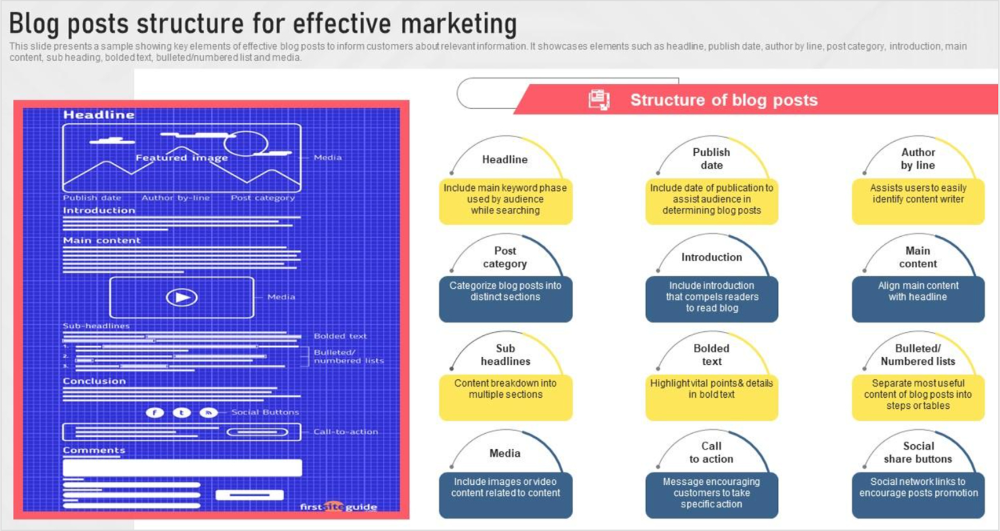
- Bullet points and numbered lists for scannable content
Remember, most readers scan before deciding to read fully. Proper formatting with white space, subheadings, and visual breaks makes your content more accessible and enjoyable to consume.
5. Check grammar, tone, and flow
Professional, error-free content builds trust and authority. Even minor grammar mistakes can undermine your expertise and distract readers from your message.
Use tools like Grammarly or Hemingway Editor to identify:
- Grammar and spelling errors
- Sentence structure issues
- Passive voice overuse
- Readability concerns
- Tone consistency problems
Ensure your brand voice remains consistent throughout the post while maintaining a conversational, engaging tone that resonates with your target audience.

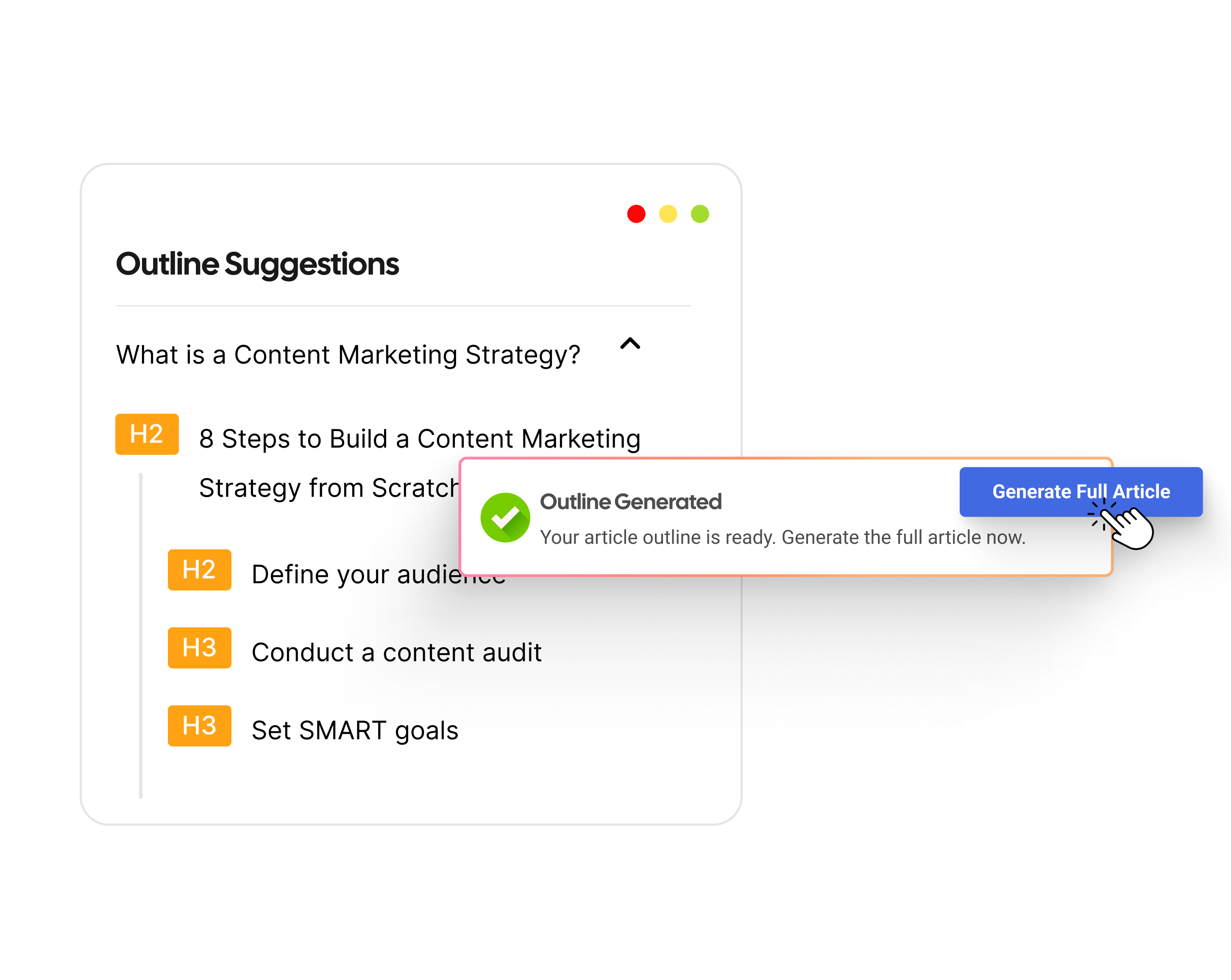
From outline to publish-ready content that fills them

Structured
Consistent
SEO-aligned
Fast
How to improve your blogs for better SEO?
SEO optimization is crucial for long-term blog success. When you improve your blogs with proper SEO techniques, you increase visibility, attract qualified traffic, and build sustainable organic growth.

1. Optimize titles and meta tags
Your title tag and meta description are the first things users see in search results. These elements significantly impact click-through rates and search rankings.
Title tag optimization
Your title tag is the clickable headline that appears in search results and directly impacts both your SEO rankings and click-through rates.
- Include your primary keyword near the beginning
- Keep titles between 50-60 characters
- Make them compelling and click-worthy
- Avoid keyword stuffing
Meta description best practices
Think of your meta description as a mini-advertisement for your content. While it doesn’t directly impact rankings, a compelling meta description can significantly boost your click-through rates from search results.
- Summarize your content in 150-160 characters
- Include primary and secondary keywords naturally
- Add a clear call-to-action
- Make it enticing enough to encourage clicks
Related: The ultimate list of SEO writing tools that actually improve rankings
2. Refresh internal linking and keyword targeting
Internal linking helps search engines understand your content structure while keeping readers engaged with related topics. When you improve your blog posts, strategic internal linking can boost rankings across your entire site.
The key is creating connections that genuinely help readers discover related, valuable information.
- Link to relevant, high-authority pages on your site
- Use descriptive anchor text that includes target keywords
- Ensure links add genuine value for readers
- Create topic clusters around main themes
Related: How to automate internal and external linking using Contentpen?
3. Add schema and improve page speed
Technical SEO elements like schema markup and page speed directly impact your search rankings and user experience.
The benefits of schema markup are:
Schema markup is structured data that helps search engines understand your content context, leading to enhanced search result displays. Implementing schema can increase your click-through rates by up to 30% through rich snippets.
- Enhanced search result displays (rich snippets)
- Better search engine content understanding
- Increased click-through rates
- Competitive advantage in search results
4. Use SEO tools to identify gaps
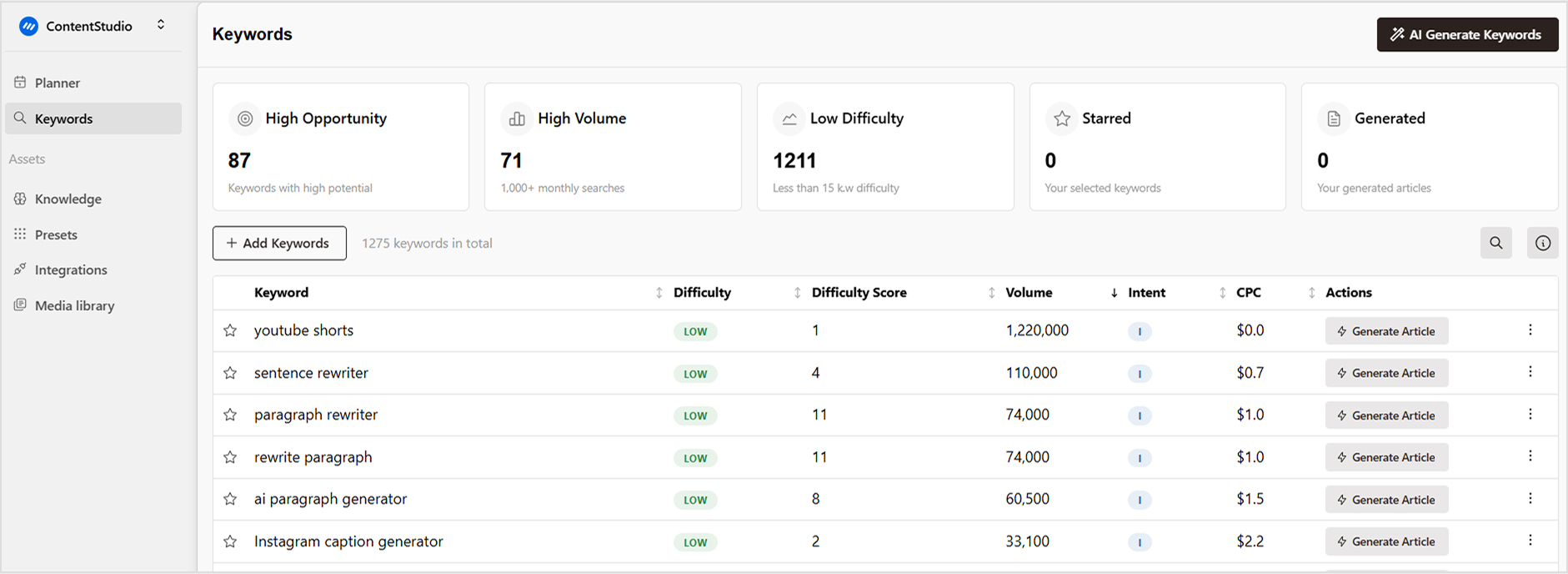
Leverage AI SEO tools to uncover optimization opportunities you might miss manually. These tools can reveal:
- Keyword gaps compared to competitors
- Technical SEO issues
- Content optimization suggestions
- Backlink opportunities
- Performance tracking metrics
Regular SEO audits ensure your improved content maintains its competitive edge and continues attracting qualified organic traffic.
How Contentpen helps improve your blogs
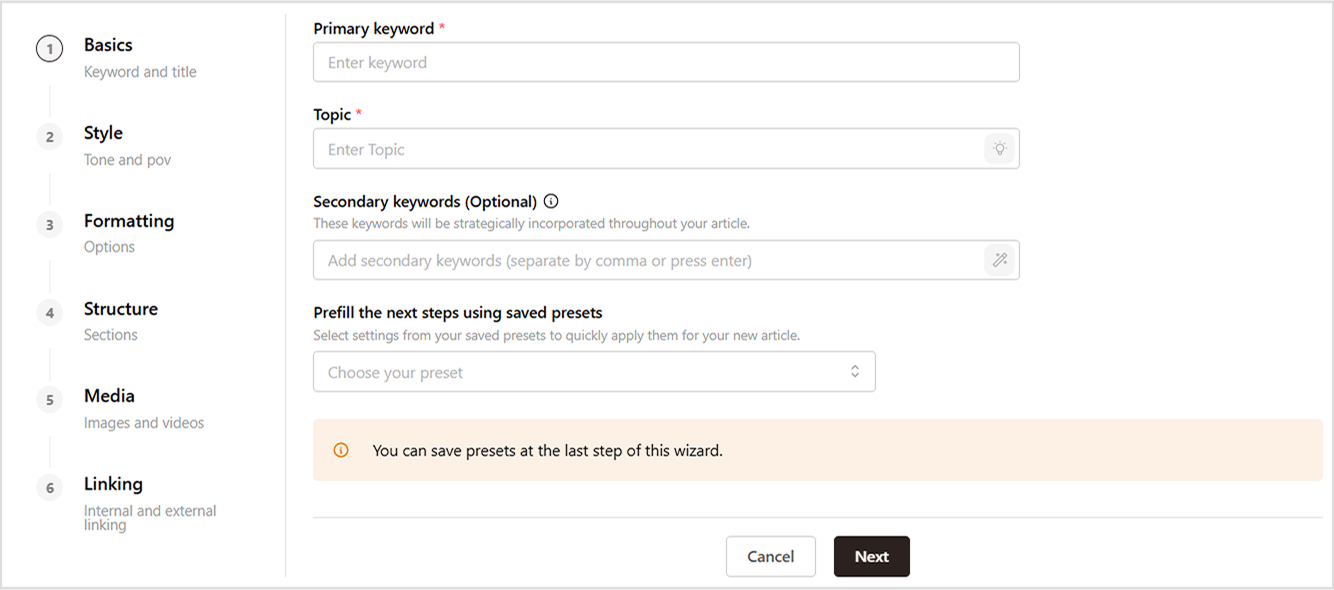
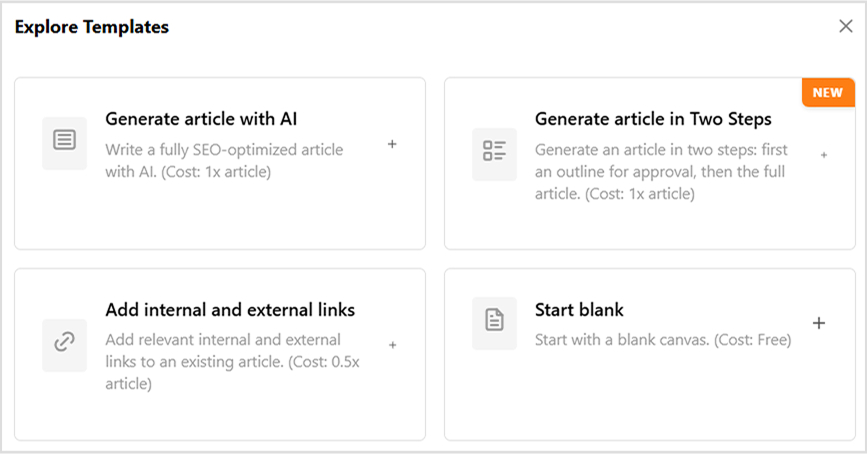
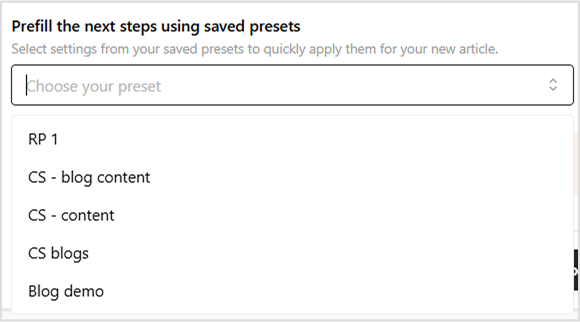
Improving blogs manually can be time-consuming and technically challenging. Contentpen’s AI-powered platform streamlines the entire process, making it easy to improve your blogs without starting from scratch.
Write better blogs in less time, without sacrificing quality.
Let AI handle structure, clarity, and flow while you stay in control of the message.
Try AI blog writing →
Refresh outdated articles with AI-powered updates
Contentpen’s refresh existing articles feature analyzes your current content and automatically updates it with fresh information, improved structure, and better SEO optimization.
The AI system:
- Identifies outdated statistics and replaces them with current data
- Improves content structure for better readability
- Enhances keyword optimization without over-stuffing
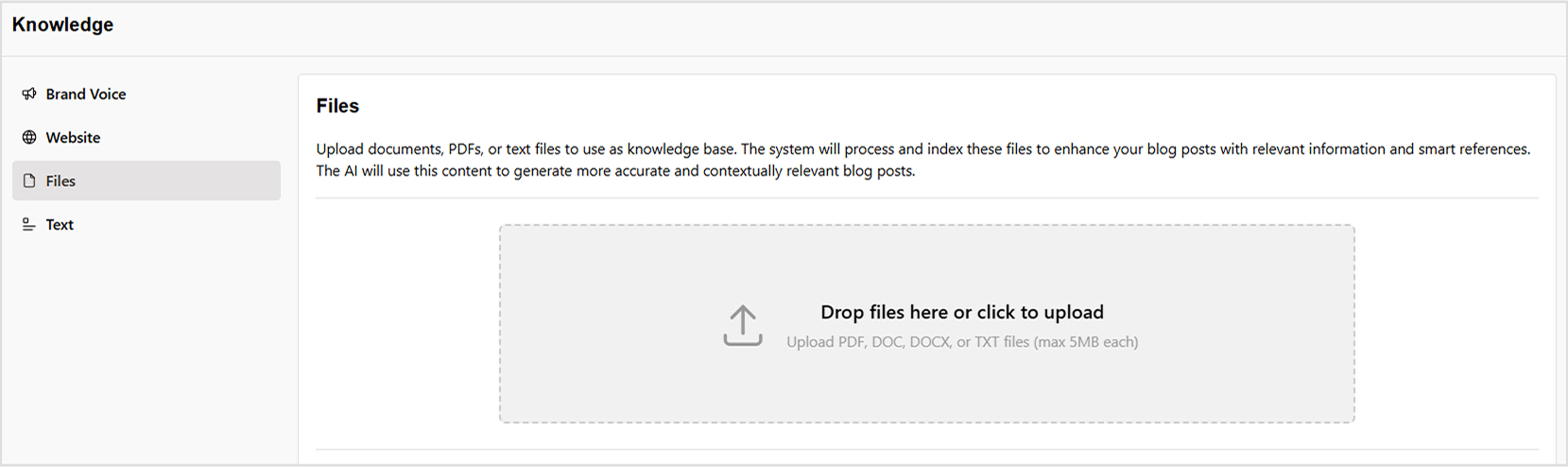
- Maintains your original brand voice and messaging
- Adds relevant internal and external links
This feature alone can save hours of manual research and writing while ensuring your content remains competitive and valuable.
Fix tone, structure, and SEO gaps automatically
Contentpen’s advanced AI agents work together to identify and fix common content issues that hold your blogs back. The platform analyzes your existing content for:
- Tone consistency problems
- Structural weaknesses
- SEO optimization gaps
- Readability issues
- Engagement barriers
Instead of manually reviewing every aspect of your content, Contentpen’s AI handles the heavy lifting while you focus on strategy and high-level content planning.
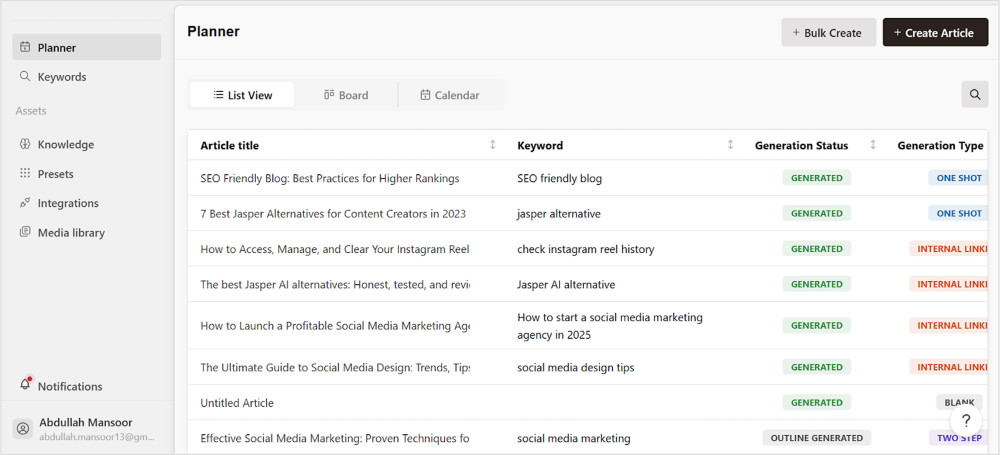
Optimize content performance without starting from scratch
The most efficient way to improve your blog is building on existing content rather than creating everything new. Contentpen’s optimization features help you:
- Enhance underperforming posts with proven strategies
- Repurpose successful content for different formats
- Scale content improvements across your entire blog
- Maintain consistency in quality and optimization
Related: How to use AI for content creation?
Common mistakes that hold your blogs back
Even well-intentioned blog improvement efforts can backfire if you make these critical mistakes. Avoiding these pitfalls ensures your optimization efforts deliver real results.
Keyword stuffing or weak targeting
Many bloggers either cram keywords unnaturally throughout their content or target keywords that are too competitive or irrelevant. When you improve your blogs, focus on natural keyword integration that serves readers first.
Keyword stuffing is one of the fastest ways to tank your search rankings and frustrate readers. Google’s algorithms are sophisticated enough to detect unnatural keyword usage, often penalizing sites that prioritize keywords over user experience.
- Unnatural, repetitive keyword use
- Keywords that don’t fit the context
- Sacrificing readability for keyword density
- Ignoring semantic variations and related terms
Lack of structure and visual hierarchy
Poor content structure confuses both readers and search engines. When you improve your blog posts, ensure they follow a logical flow with a clear visual hierarchy.
Content structure is the backbone of readable, engaging blog posts. Well-structured content keeps readers engaged longer and helps search engines understand your content hierarchy, leading to better rankings and user experience.
- Use descriptive H2 and H3 headings
- Create scannable content with bullet points and lists
- Add white space for visual breathing room
- Include a table of contents for longer posts
- Use consistent formatting throughout
Ignoring performance metrics and feedback
Improving blogs without measuring results is like driving blindfolded. Track key metrics to understand what’s working and what needs further optimization.
Data-driven blog improvement ensures your efforts produce measurable results. Tracking the right metrics helps you identify what’s working, what needs adjustment, and where to focus your optimization efforts for maximum impact.
- Organic traffic growth
- Average time on page
- Bounce rate changes
- Social sharing increases
- Conversion rate improvements
- Comment engagement
Use this data to refine your approach and focus improvement efforts on strategies that deliver measurable results.
Additional tips to grow your blog
Beyond the core improvement strategies we’ve covered, successful bloggers implement several advanced tactics to accelerate their growth. These proven methods can help you build a loyal audience, increase engagement, and establish your blog as an authoritative resource in your niche.
Build topical authority through content clustering
Topical authority is one of the most powerful yet underutilized strategies for blog growth. Instead of writing random posts across different topics, focus on developing deep expertise in specific subject areas. Google rewards sites that demonstrate comprehensive knowledge on particular topics.
Create content clusters around your main themes. For example, if you run a marketing blog, develop comprehensive coverage around email marketing, social media strategy, and content creation. Write multiple interconnected posts on each topic, covering everything from beginner guides to advanced strategies.
This approach helps search engines understand your expertise while making it easier for readers to find related content. Blogs with strong topical authority often rank higher than sites with better overall domain authority but scattered content focus.
Leverage multimedia content strategically
Visual content processes 60,000 times faster than text, making multimedia elements crucial for engagement. However, many bloggers add images as an afterthought rather than as strategic engagement tools.
Strategic multimedia integration:
- Create custom graphics that summarize key points
- Use screenshots to demonstrate step-by-step processes
- Develop infographics for complex data visualization
- Add relevant stock photos that support your narrative
- Include charts and graphs to make statistics more digestible
Remember that multimedia isn’t just about aesthetics, it’s about making your content more accessible and memorable. Each visual element should serve a specific purpose in helping readers understand and retain your message.
Implement content refresh cycles
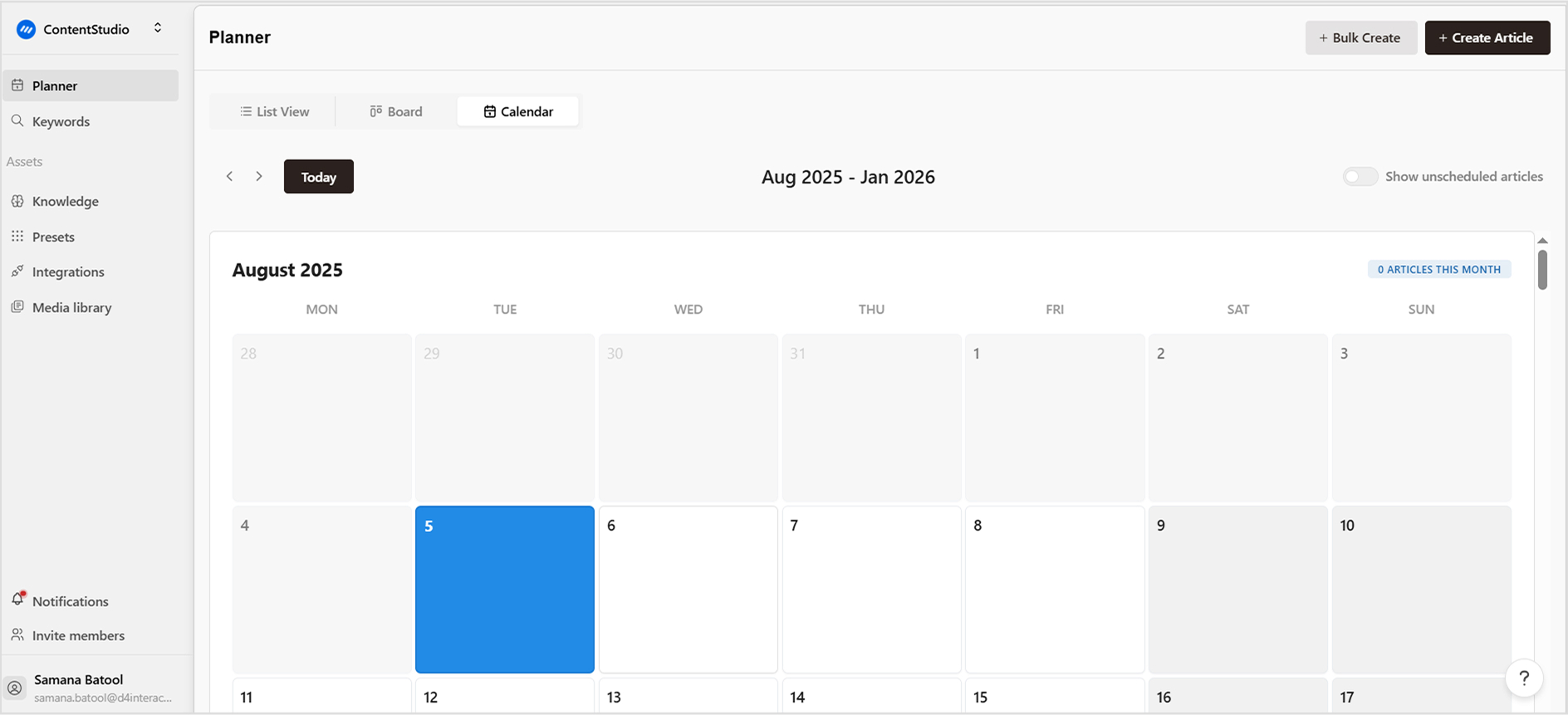
Successful bloggers don’t just create new content, they systematically update existing posts to maintain their competitive edge. Set up a content refresh calendar to review and update your posts every 6-12 months.
Content refresh priorities:
- Update statistics and data with current information
- Refresh screenshots and outdated examples
- Add new insights and developments in your field
- Improve headlines and meta descriptions based on performance data
- Expand thin content with additional value
Contentpen’s refresh existing articles feature can automate much of this process, saving you hours while ensuring your content stays current and competitive.
Build genuine community engagement
Blog engagement goes far beyond publishing great content. The most successful bloggers actively foster community through authentic interaction and relationship building.
Community building strategies:
- Respond to every comment with thoughtful, personalized replies
- Ask specific questions at the end of posts to encourage discussion
- Share behind-the-scenes insights about your writing process
- Acknowledge and feature reader contributions
- Create content based on reader questions and feedback
Building a loyal community takes time, but engaged readers become your best advocates, sharing your content and attracting new audiences through word-of-mouth recommendations.
Optimize publishing frequency for your audience
There’s no universal “perfect” posting schedule, but consistency matters more than frequency. Research shows that bloggers who publish 2-6 times per week report the strongest results, but quality should never be sacrificed for quantity.
Finding your optimal frequency:
- Start with a manageable schedule you can maintain long-term
- Monitor engagement metrics to identify your audience’s preferences
- Consider your niche, technical topics may require less frequent, more in-depth posts
- Use content batching to maintain consistency during busy periods
- Track which days and times generate the most engagement
Remember, it’s better to publish one exceptional post per week than seven mediocre ones. Focus on creating high-quality content that genuinely serves your audience.
Use email marketing for blog growth
Email marketing isn’t just for sales, it’s one of the most effective ways to grow your blog audience and improve SEO performance. Email subscribers are 3x more likely to share your content on social media and generate valuable return visits.
Email strategies for blog growth:
- Create content upgrades for popular posts
- Send weekly newsletters featuring your best content
- Use email to gather feedback and content ideas from subscribers
- Segment your list based on interests and engagement levels
- Include social sharing buttons in every email
Building an email list establishes a direct communication channel with your most engaged readers, thereby reducing your dependence on changes to search engine algorithms.
Monitor and act on performance data
To grow your blog effectively, it’s essential to make data-driven decisions rather than relying on guesswork to determine what works. Set up comprehensive analytics tracking to understand which content resonates with your audience.
Key metrics to track:
- Organic traffic growth and keyword rankings
- Average session duration and bounce rates
- Social shares and comment engagement
- Email subscription rates from different posts
- Conversion rates for your calls-to-action
Use this data to identify your most successful content formats, topics, and promotion strategies. Double down on what works while experimenting with new approaches based on solid performance insights.
Create evergreen content with lasting value
While trending topics can drive short-term traffic spikes, evergreen content provides sustained long-term growth. Focus 70-80% of your content efforts on topics that will remain relevant for years.
Evergreen content characteristics:
- Addresses fundamental questions in your niche
- Provides step-by-step tutorials and how-to guides
- Offers timeless advice and best practices
- Includes comprehensive resource lists and tools
- Solves persistent problems your audience faces
Evergreen posts often become your highest-traffic content over time, continuing to attract readers and generate leads months or years after publication.
By implementing these advanced strategies alongside the core improvement tactics we covered earlier, you’ll create a comprehensive approach to blog growth that builds sustainable, long-term success.
Conclusion
By following the tips, examples, and strategies discussed throughout this article, you’ll be able to significantly improve your blogs and reach a larger audience.
So, are you ready to transform your blog performance? Stop struggling with manual content improvements that take forever and deliver inconsistent results. Contentpen’s AI-powered platform makes it easy to improve your blogs for better engagement, higher rankings, and increased conversions.
Try Contentpen – your best AI blog writer online and discover how quickly you can turn your existing content into high-performing assets that drive real business results.
Frequently Asked Questions
Start with a comprehensive content audit to identify your highest-traffic posts with improvement potential. Focus on updating statistics, improving SEO elements, enhancing readability, and adding fresh insights. How to improve your blog effectiveness often comes down to strategic updates rather than complete rewrites.
Several tools can streamline blog improvement:
Contentpen for AI-powered content optimization and refreshing
Grammarly for grammar and readability
Ahrefs or SEMrush for keyword research and SEO analysis
Google Analytics for performance tracking
Canva for visual content creation
Review and update your blog posts every 6-12 months, or sooner if you notice declining performance. High-traffic posts may need more frequent updates, while evergreen content might require less maintenance. Set up a content calendar to systematically improve your blog posts over time.
Updating existing blogs is usually more effective than complete rewrites. You preserve existing search rankings, backlinks, and social shares while improving performance. Only consider full rewrites if the content is completely outdated or off-brand.
Yes, Contentpen’s AI-powered platform has helped thousands of businesses significantly improve their blog performance. The tool combines deep research, SEO optimization, and brand voice analysis to create content that ranks higher and converts better.