Author: maryam haq

  • Is AI the future of blog writing services?

    Is AI the future of blog writing services?

    Traditional blog writing services face their biggest disruption yet. With generative AI tools producing content in seconds, businesses are questioning whether they still need human writers.

    AI writing tools have transformed from niche curiosities to mainstream business solutions practically overnight. Content agencies report a common refrain from clients: “Why should we pay for human writers when AI can do it faster and cheaper?”

    The real question isn’t whether AI will impact the industry, it already has. What businesses need to understand is whether AI can truly replace the strategic thinking, deep research, and audience expertise that professional writers provide, or if we’re witnessing the birth of a hybrid approach where human insight directs AI capabilities.

    Let’s examine what’s really happening in the content creation landscape and what it means for the future of professional content writing.

    The evolution of blog writing services

    In the past, the term blog writing service was used for a company that provided content creation to businesses or bloggers. Customers used to place their orders based on the number of words or articles, and the content was delivered accordingly.

    In today’s context, these services could be online SaaS businesses that offer AI-based writing tools and help bloggers and SEO experts generate optimized, value-driven articles within seconds.

    Traditional blog writing service: A quick overview

    Content creation services used to be a go-to solution for companies, agencies, and bloggers looking to scale their output. These typically operated on a straightforward model: clients submitted their article requests, and the service delivered written content in return.

    From the mid-2000s to around 2020, blogging transitioned from a personal hobby into a powerful marketing channel. During this time, demand for content surged. Everyone, from startups to large companies, from influencers to SEO agencies, was leveraging blogs to boost visibility, engage audiences, and drive traffic.

    Some common uses of blog content during this era included:

    • Celebrities sharing personal updates
    • Companies publishing news and announcements
    • SEO professionals creating keyword-rich articles to rank websites
    • Marketers generating leads through helpful blog posts
    • Brands using content to support long-term marketing strategies

    As a result, outsourced content production became essential, especially for businesses that needed consistent publishing at scale. But as content marketing evolved, the limitations of traditional models started to surface.

    Rise of technology in blog writing services

    The rapid development of AI-powered writing tools has significantly reshaped the digital marketing industry. AI tools have become increasingly popular among content creators, offering fast and low-cost solutions for generating written content.

    Contentpen

    As these tools became more advanced and accessible, a wave of early adoption followed. Bloggers, marketers, and agencies began integrating AI into their workflows either to brainstorm, draft, or even fully write articles.

    According to Statista, the market for artificial intelligence has crossed the 244 billion U.S. dollar mark in 2025, which is a considerable jump of nearly 50 billion compared to 2023.

    However, this shift also sparked an interesting debate: Can AI truly replace human writers?

    While AI-generated content can be efficient, it often lacks nuance, emotional depth, and original insights. As a result, many organizations realized the need for human oversight to fact-check and “humanize” AI-written pieces.

    As a result, the traditional model is being redefined. Many clients now expect lower prices and faster delivery, putting pressure on human writers. At the same time, a hybrid approach where human editors refine AI-generated drafts is emerging as a sustainable middle ground.

    How AI is transforming blog writing services

    It’s necessary to shed some light on how AI is shaping the blogosphere, where bloggers are actively adopting AI-powered tools to scale their content publishing.

    AI for SEO blog writing services

    Blog writing services that used to vow to provide SEO-tuned, high-quality material to customers now need to embrace artificial intelligence in their operations to keep up with output demands. Whether it’s outline generation or finding credible sources, AI chat tools can come in handy for SEO content production.

    AI tools replacing manual blog post writing services

    AI writing tools like Contentpen.ai  are quickly replacing manual content creation that took several days to fulfill an order of a handful of articles. Most of the top-tier niche site builders and affiliate bloggers know what those manual services were and how they worked in the past.

    Today, a beginner blogger can hop on a computer and choose an AI-powered tool to crank out several dozen SEO-friendly and well-written articles in any niche. If that’s not an AI revolution, then what is?

    Benefits of AI-powered blog writing services

    Here are some of the benefits of AI-powered content writing:

    1. Faster content creation

    AI tools can generate high-quality content in minutes, helping businesses maintain a consistent publishing schedule.

    2. Cost-effective solution

    AI-based SEO content creation can significantly reduce costs while maintaining quality as compared to hiring a team of full-time writers and editors. So, it’s surely a cost-effective solution.

    3. Built-in SEO tools

    One of the benefits of AI-based content tools is that they come with built-in SEO features, ensuring your content is keyword-optimized and search engine-friendly from the start. Not only does it save money, but it also reduces the time and effort that goes into the process.

    4. Scalable content production

    Whether you need fifty articles or five hundred, AI-powered SEO tools can handle large-scale content demands efficiently.

    5. Brand consistency and tone

    When human writers create articles in large quantities, there is a chance of slight glitches in terms of brand consistency. This is where AI tools can be extremely helpful, as they are trained to match your brand voice, ensuring consistent tone and messaging across all your posts.

    6. Data-driven topic suggestions

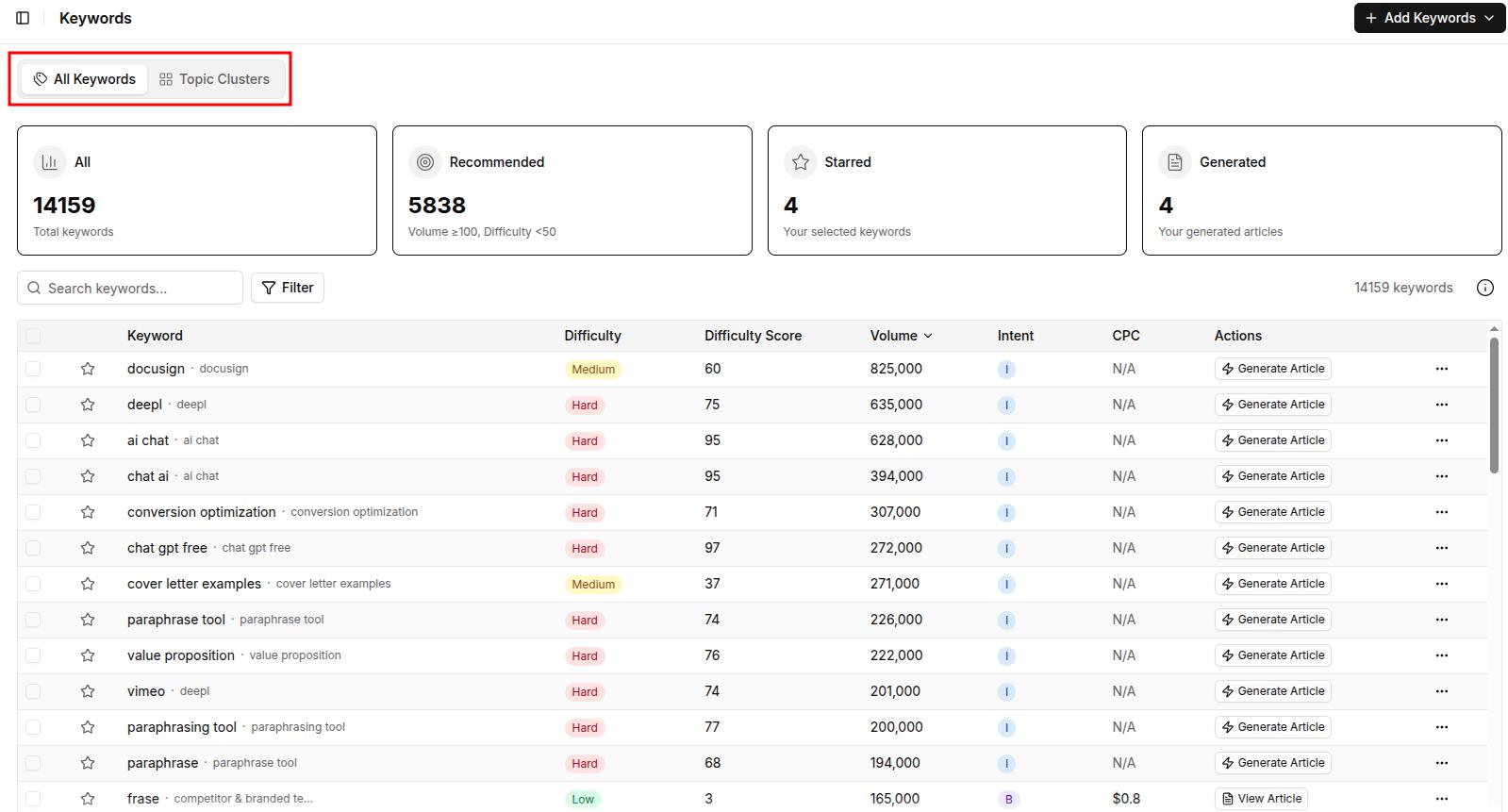
    Advanced AI-based writing tools analyze trends and user intent, offering topic ideas that align with SEO goals and audience interests. For instance, Contentpen has a built-in SEO keyword tracker that analyzes the relevant keywords and reports crucial data inside the dashboard.

    7. Easier AI tools integration

    Most of the latest AI content writer tools offer seamless integration with other software, making multiple platform collaborations easier than ever. For instance, Contentpen integrates with WordPress and allows users to directly draft posts in the WordPress dashboard. All you need to do is connect WordPress with Contentpen.

    AI vs. professional blog writing services: Which is better?

    If you want to switch from a professional service to an AI writing tool and are wondering which is better for your online publishing, then this section might help you.

    Comparing quality, cost, and speed

    Here’s a head-to-head comparison of AI-powered blog writing services and professional blog writing services:

    Quality: AI-written content does require some tweaks here and there for the sake of authenticity, fact-checking, and humanizing it. The quality, however, may vary from tool to tool. AI writing tools like Contentpen make it extremely easy for publishers, as they produce the highest-quality, SEO-optimized content within no time.

    The same goes for professional services. For instance, we have heard stories of horrible experiences of ordering articles on X (Twitter). But it doesn’t necessarily mean there aren’t good ones out there. So, it all comes down to who you choose to work with and how much you’re willing to pay.

    Cost: Professional services are hands-down more expensive than any AI tool on the market. The reason is that these companies charge customers either by the word or by the article. Usually, an average article might cost $40 to $150 from these professional services.

    On the other hand, AI writing tools hardly cost anywhere between $20 and $50 per month and provide hundreds of thousands of words every month. Plus, these AI tools often provide highly optimized and ready-to-publish content.

    AI powered blog writing services

    For example, Contentpen.ai can automatically add internal and external links to the article so that the user doesn’t have to do it manually. Adding links to content is one of the essential strategies in the on-page SEO checklist.

    Also read: How to automate internal and external linking using Contentpen

    Speed: Human writers can’t beat AI writers when it comes to speed. Sure, you might want to spend some time proofreading the AI-written content, but still, there is no match.

    Speed is probably one of the key reasons why publishers, bloggers, and SEOs switch to AI writers because they can ramp up on producing content and double-check it later before publishing it.

    Limitations of professional blog writing services in the AI era

    While professional content providers are plenty satisfactory, it doesn’t hurt to weigh new options. For instance, it’s important to consider factors such as the limitations of professional services in the AI era:

    1. Speed of content delivery

    Since professional services heavily rely on human writers, sometimes the speed of article delivery can be an issue. However, most providers pay close attention to the delivery schedule, but there is always a chance of slow delivery.

    2. Lack of authentic brand voice

    Often, professional providers may struggle to fully capture a brand’s unique tone, values, or positioning, which affects the overall brand marketing. The reason why it happens is that these companies have a pool of writers, and every writer has a unique approach to every topic.

    3. Potential SEO blunders

    While human writers can optimize content for keywords, they don’t always understand the search intent behind the article. As a result, it can hurt the SEO effectiveness of a post. On the contrary, it doesn’t happen with AI writers, as they strictly follow the given prompt.

    4. Quality inconsistencies

    Most professional providers prioritize quantity over quality, leading to inconsistencies in grammar, structure, or overall readability, especially if the content is mass-produced.

    5. Undisclosed AI content generation

    One of the issues some clients may face is that they might not be aware when a professional provider uses low-quality AI writing tools to generate content, raising transparency and trust issues if it’s not communicated.

    Why businesses prefer AI for blog content writing services

    Let’s try to comprehend why businesses prefer AI writing tools over traditional content providers and, more importantly, what it means for professionals offering content creation:

    Cost-effectiveness and scalability

    AI-powered content tools are comparatively cheaper than human writers. We’ve briefly touched on how much a high-quality human-written article costs as compared to effective AI writers. Plus, AI tools make content publishing scalable due to their affordable prices and faster delivery.

    Consistency and SEO compliance

    One of the reasons why pro-bloggers, SEOs, and content marketers prefer AI writing tools over traditional providers is the brand consistency and SEO approach. The content written by human writers can sometimes lack brand voice or go off the rails from the SEO standpoint, but AI writers usually don’t make such mistakes.

    Future-proofing your content strategy

    No business wants to stay behind the competition. When the competitors are capitalizing on AI to overcome writer’s block or drafting outlines to publish content at scale, no business can afford to ignore AI in its content strategy.

    Minimum logistical efforts

    Working with a traditional content provider is no easy feat. From choosing the best ones to collaborating with them until the content batch is successfully delivered, it’s a constant struggle. However, AI has made this significantly easier when an AI-based article generator is at your service 24/7.

    How Contentpen redefines blog writing services with AI

    Contentpen.ai blog writing tool

    Contentpen is a powerful AI writer that creates SEO-friendly, high-quality content for bloggers, brands, influencers, and marketers. Let’s uncover how it reshapes content creation using the power of artificial intelligence:

    Affordable blog writing services packages with AI

    The companies that offer AI-powered tools and software are already ahead of their competitors. Contentpen, for instance, provides powerful yet affordable packages, enabling businesses and influencers to utilize AI for generating written content.

    Contentpen pricing packages

    Our pricing packages start as low as $27 per month and go up to $139 per month on the annual billing. Corporate users and agencies can save up to $716 per year on yearly plans. Start your 3-day free trial!

    • Starter plan: $27 per month (when billed annually)
    • Premium plan: $55 per month (when billed annually)
    • Agency plan: $139 per month (when billed annually)

    Automating your blog post writing services with Contentpen

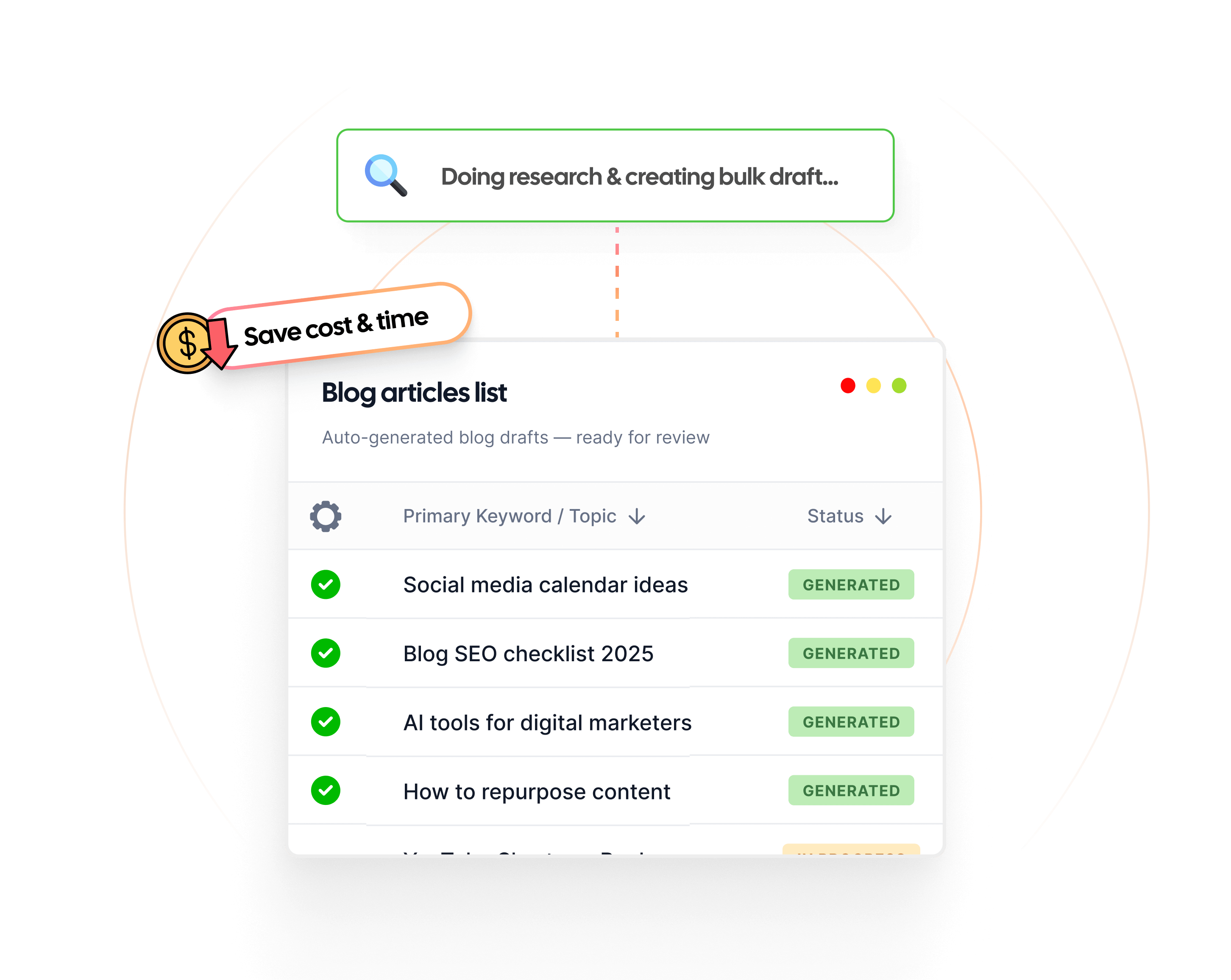
    Contentpen doesn’t just speed up the article creation process, but it also automates publishing for users. Bloggers and marketers can connect WordPress and Ghost sites to their Contentpen accounts and crank out content at scale.To automate creation and publishing, you must integrate your Contentpen account with your WordPress site using the official Contentpen plugin.
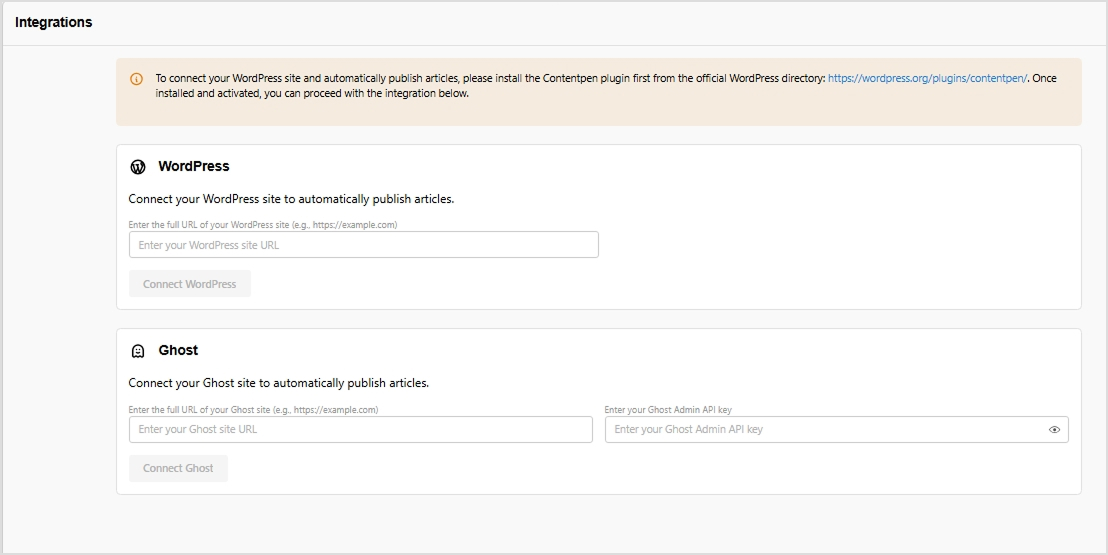
    Connecting wordpress with Contentpen

    Once the plugin is installed, access your Contentpen account and go to the Integrations section to connect your account with your WordPress site.

    After the successful integration, you can generate SEO-friendly AI content using Contentpen and automatically publish it on your WordPress site.

    Case studies of major platforms adding AI writing capabilities

    Here are examples of how leading platforms have built generative AI content tools into their services for their users:

    1. Canva’s generative text AI integration

    Canva integrated AI writing capabilities directly into their design platform, allowing users to generate social media captions, ideas, and marketing copy alongside their visual content. Users can input basic prompts and receive multiple caption variations, complete with relevant hashtags and calls-to-action. This feature has streamlined content creation for millions of small businesses and marketers who need both visuals and copy.

    2. Shopify integrates AI for product descriptions

    Shopify introduced AI-powered product description generation for their merchant base. Small business owners can now generate compelling product copy in seconds rather than spending hours writing descriptions. 

    3. Grammarly’s AI writing assistant expansion

    Grammarly evolved from a grammar checker to a comprehensive AI writing assistant. Their AI now helps users generate content ideas, rewrite sentences for clarity, adjust tone, and even compose entire emails and documents. Users report significant time savings in their writing tasks, and Grammarly has seen massive adoption growth as businesses integrate it into their content workflows for everything from marketing copy to internal communications.

    The future of blog writing services: Key trends

    Let’s discuss what the future of content creation holds and how AI writers fit into the picture:

    Shifting from an article writing service to AI-driven content

    The transition from traditional article creation to AI-driven content isn’t coming, it’s already underway. Bloggers, digital marketers, and SEO professionals are increasingly turning to AI tools to produce content at scale. This shift has disrupted the demand for long-form, human-written articles and replaced it with a need for faster, AI-assisted workflows.

    However, this evolution has opened up new and lucrative opportunities, particularly for professionals who can edit, optimize, and personalize AI-generated content. Rather than signaling the end of human involvement, this shift has elevated the role of editors, SEO strategists, and content designers who can transform robotic drafts into compelling, rank-worthy articles.

    Professional content writers are now positioning themselves as AI content collaborators, offering services such as:

    •  AI-to-human content editing 
    • SEO optimization for AI-written drafts
    • Fact-checking AI-generated articles

    Platforms like Contentpen.ai are enabling this transformation, blending AI capabilities with human expertise. As content volume grows exponentially, brands will need trusted partners who can ensure their AI-generated content is reliable, engaging, and search engine optimized.

    It brings a timely opportunity for freelance writers, editors, and SEO professionals to redefine their roles in a post-AI content world by equipping themselves with innovations instead of being replaced.

    AI blog article writing service for niche markets

    AI content creation tools come in handy when they have the ability to serve specific niches. Fewer AI tools can generate highly effective, value-driven content for all niches.

    Most free AI writers are known for generating gibberish answers when asked about certain niche markets. Switching to a random AI tool isn’t going to cut it. Instead, choose the AI writer that could deliver high-quality content in your niche.

    Human-AI collaboration: The hybrid model

    The hybrid model The future of digital content creation is shaped by hybrid workflows, where humans and AI collaborate rather than compete. This emerging model is already gaining traction in areas such as content creation, digital marketing, and social publishing, where speed, scale, and personalization are all critical.

    AI tools now handle the bulk of first drafts, outlines, and keyword optimization. But human creators bring the nuance: verifying facts, injecting personal tone, and aligning content with brand voice and emotional context. This human-AI partnership is not just a workaround, but it’s becoming the new standard instead.

    We’ll likely see the rise of dedicated hybrid roles, such as AI content editors, prompt engineers, and AI-human workflow designers, shaping how content is created, curated, and distributed. In this model, AI isn’t replacing humans; it’s amplifying them.

    FAQs about AI in blog writing services

    What is an AI-powered blog writing service?

    It’s an AI-based article creation tool that allows users to create content within a matter of seconds. AI-powered tools are rapidly replacing traditional (human) content providers.

    Can AI fully replace professional blog writing services?

    AI does have the ability to replace professional providers in most tasks. However, it may lack authenticity where human factors, such as emotions, feelings, past happenings, and personal experiences, are part of the equation.

    Are AI SEO blog writing services as effective as traditional ones?

    Not all AI SEO tools are as good as they claim to be, but there are some excellent AI writing tools available that are worth a shot. For instance, Contentpen is one of the best AI writers on the market that helps businesses, marketers, bloggers, and SEOs create SEO content within minutes.

    What are the advantages of AI blog content writing services?

    The main advantages of AI content creation include faster production, publishing at scale, easier content streamlining, and SEO-friendly creation.

    How does Contentpen’s blog writing services package compare to others?

    Contentpen offers highly competitive pricing packages that are comparatively cheaper than other AI-powered writers. The best part about Contentpen’s packages is that there are three pricing plans to choose from that cater to diverse user needs.
  • 15 types of keywords: Complete SEO guide for 2025

    15 types of keywords: Complete SEO guide for 2025

    Keywords are the bridge between what people search for and the content you create. Understanding the various types of keywords is therefore essential for developing an effective SEO strategy that attracts targeted traffic and converts visitors into customers. 

    In this comprehensive guide, you’ll discover the 15 most important types of keywords, learn how to find them, and understand precisely how to use each type to boost your search rankings.

    Why understanding keyword types matters

    Before exploring specific types, let’s first understand why this knowledge is crucial for your SEO strategy.

    • Better content planning: Each keyword type requires different content formats. Informational keywords are best suited for educational blog posts, while transactional keywords are most effective on product pages.
    • Improved user experience: Matching content to search intent (the reason behind someone’s search) dramatically enhances user satisfaction and engagement metrics.
    • Strategic resource allocation: Knowing which keywords are easier to rank for helps you prioritize your content creation efforts for maximum ROI.
    • Competitive advantage: Most websites randomly target keywords without understanding intent. Strategic keyword selection puts you ahead of 90% of your competition.

    Types of keywords: Quick reference guide

    Here’s a complete overview of 15 essential keyword types for SEO success.

    Types of keywords guide
    Types of keywords guide

    Pro Tip: Combine multiple keyword types in your SEO strategy for maximum impact and comprehensive market coverage.

    Keywords by search intent: The foundation of modern SEO

    Search intent is the most efficient way to categorize keywords. Google’s algorithm prioritizes content that matches what users actually want to find.

    1. Informational keywords

    Informational keywords are search queries where users want to learn something, obtain answers, or gain a deeper understanding of a topic. These keywords help you build authority and trust with potential customers early in their journey. 

    While they don’t directly drive sales, they’re ideal for attracting individuals who may become customers later and establishing your brand as a trusted resource within your industry.

    Examples:

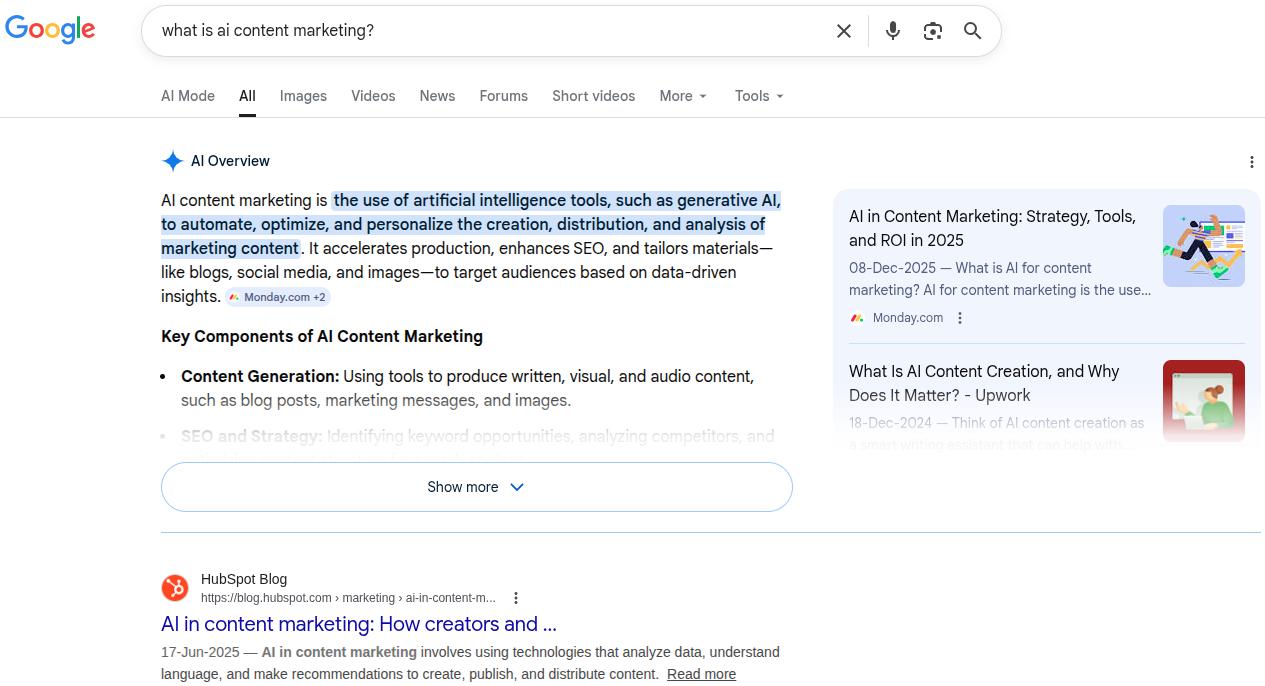
    • “What is AI in content marketing?”
    • “How to start a blog”
    • “Coffee brewing methods explained”
    • “Why is SEO important?”

    Intent signals: Typically contain words such as “how to,” “what is,” “why does,” “guide to,” “tutorial,” or “tips.”

    Content formats: Blog posts, guides, tutorials, FAQ pages, and educational videos.

    How to find them:

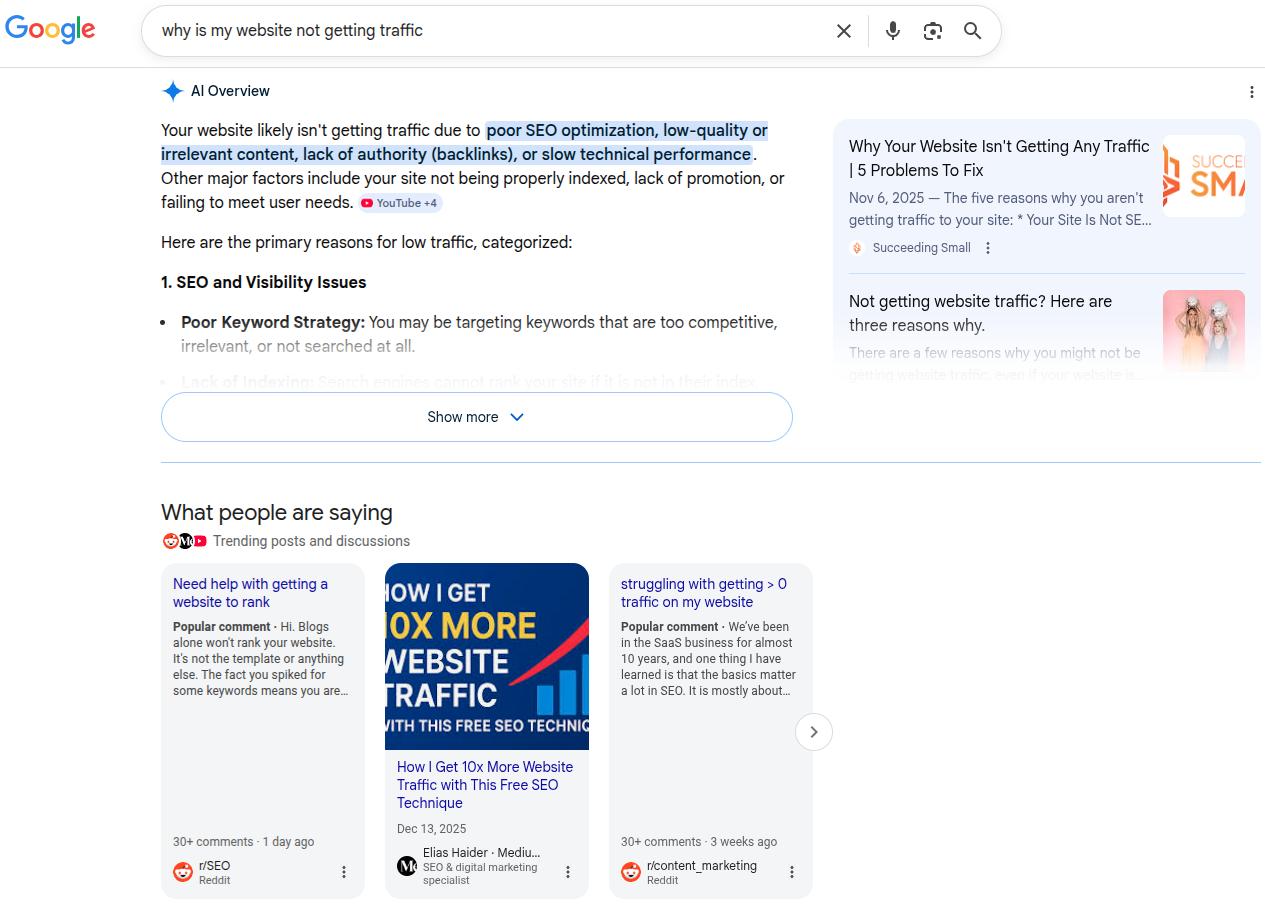
    1. Use Google’s “People Also Ask” feature for your topic.
    2. Search AnswerThePublic for question-based keywords.
    3. Filter keyword tools for “informational” intent.
    4. Check forums like Reddit and Quora for common questions.
    Informational keywords

    Optimization tips:

    • Create comprehensive, well-researched content.
    • Answer the question directly in the first paragraph.
    • Include related subtopics to cover the topic thoroughly.
    • Use clear headings and formatting for easy scanning.

    2. Commercial keywords

    Commercial keywords are search queries from users who are considering a purchase but require additional information before making a decision. These keywords target high-intent users who are close to making a purchase decision and often have higher conversion rates than informational terms. They represent the crucial middle-funnel stage where prospects are actively evaluating options.

    Examples:

    • “Best CRM software for small business”
    • “iPhone vs Samsung comparison”
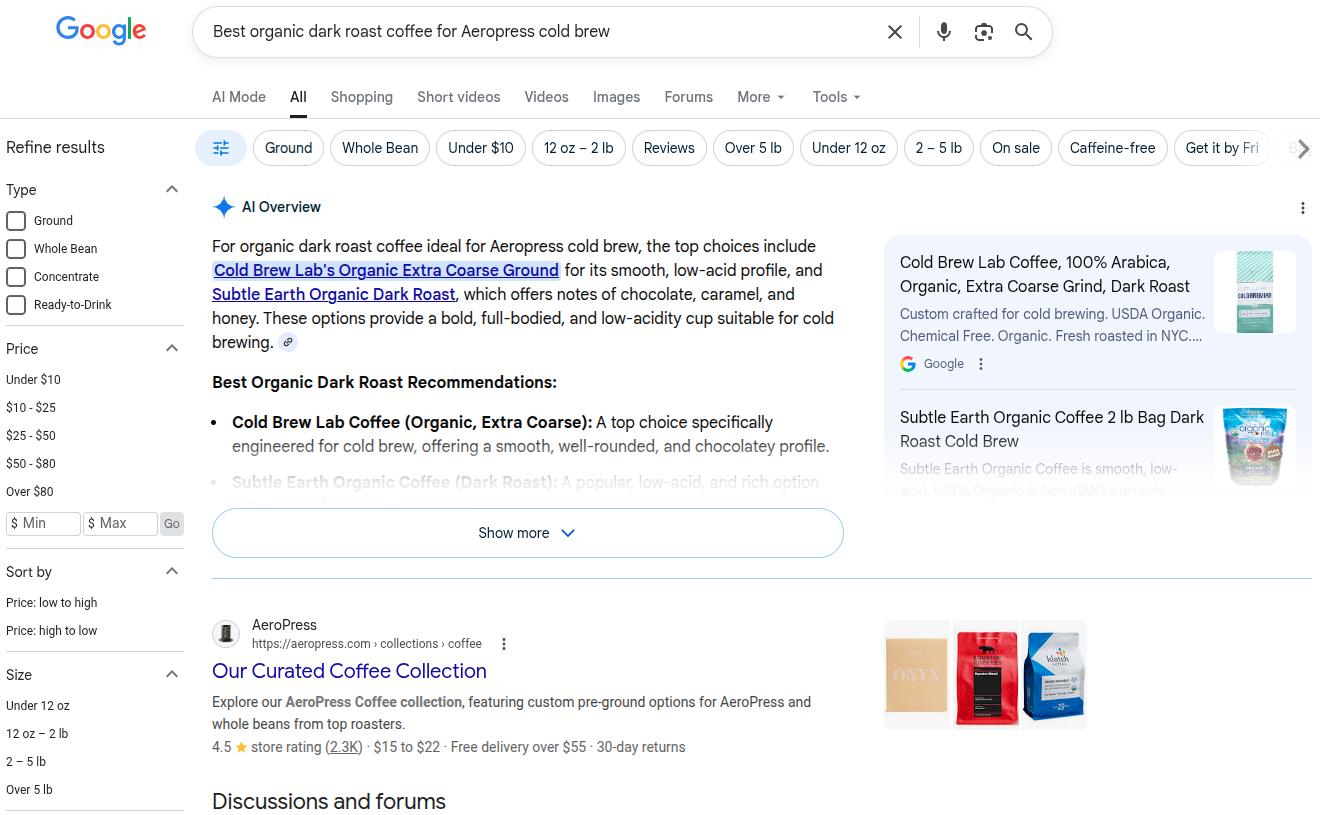
    • “Top 10 coffee grinders 2025”
    • “Semrush alternatives”

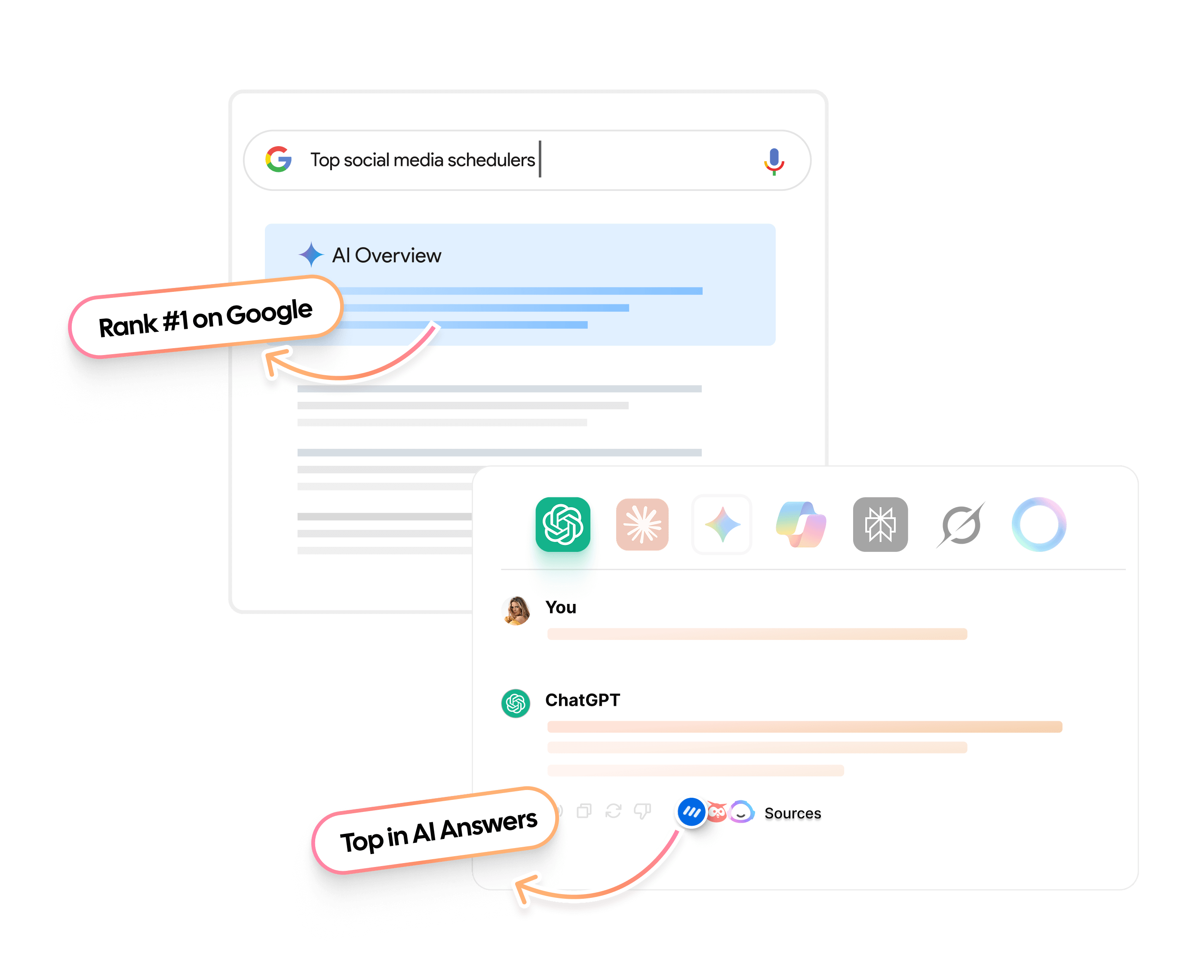
    Intent signals: Words like “best,” “top,” “review,” “comparison,” “vs,” “alternative,” and “pros and cons.”

    Commercial keyword intent filter

    Content formats: Product comparisons, review articles, buyer’s guides, and “best of” lists.

    How to find them:

    1. Add commercial modifiers to your seed keywords (best + [product]).
    2. Look for keywords with commercial intent flags in keyword tools.
    3. Monitor what products/services people compare to yours.

    Optimization tips:

    • Include detailed product specifications and comparisons.
    • Add pros and cons sections.
    • Use high-quality images and comparison tables.
    • Include clear calls to action toward your products.
    • Add trust signals like reviews and testimonials.
    Contentpen.ai

    3. Transactional keywords

    Transactional keywords are search queries from users who are ready to take action, typically making a purchase or signing up for something. These keywords have the highest conversion potential, as users searching for these terms are likely to have their credit cards ready and know what they want. They represent the bottom of the marketing funnel, where prospects are ready to become customers.

    Examples:

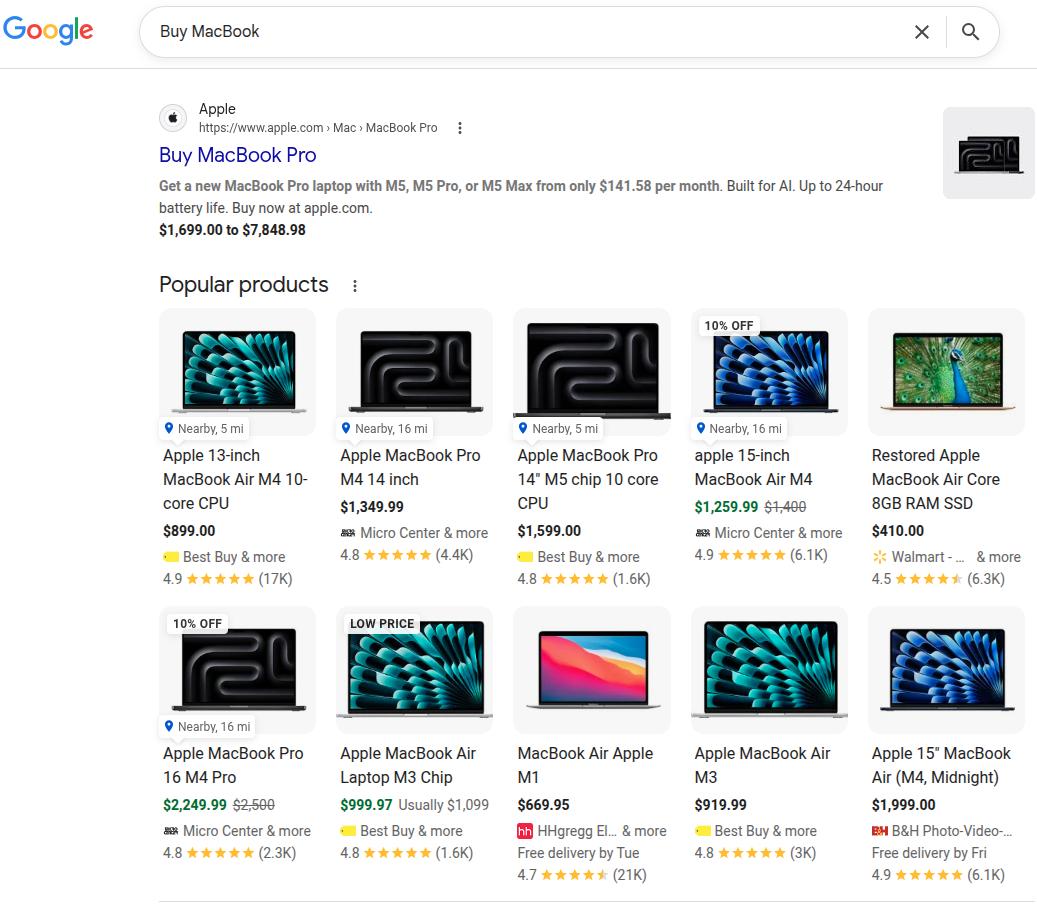
    • “Buy MacBook Pro 2025.”
    • “Download free SEO template”
    • “Order pizza online”
    • “Subscribe to Netflix”

    Intent signals: Action words like “buy,” “order,” “purchase,” “download,” “subscribe,” “get,” and “shop.”

    Transactional keyword intent filter

    Content format: Product pages, service pages, landing pages, and checkout pages.

    How to find them:

    1. Add buying modifiers to your product keywords.
    2. Check what transactional terms competitors rank for.
    3. Use Google Ads Keyword Planner to find high-CPC terms (indicates commercial value).
    4. Monitor your sales team’s most common customer requests.

    Optimization tips:

    • Create dedicated landing pages for each transactional keyword.
    • Include transparent pricing and purchase options.
    • Minimize distractions and focus on conversion.
    • Add urgency elements (limited time offers, stock levels).
    • Ensure fast page loading and mobile optimization.

    4. Navigational keywords

    Navigational keywords are search queries where users want to find a specific website, brand, or page. If people are searching for your brand, you want to capture that traffic. For other brands, these keywords are usually not worth targeting unless you’re creating comparison content. They’re essential for brand protection and controlling your online presence.

    Examples:

    • “ContentStudio login”
    • “Amazon customer service”
    • “Nike official website”
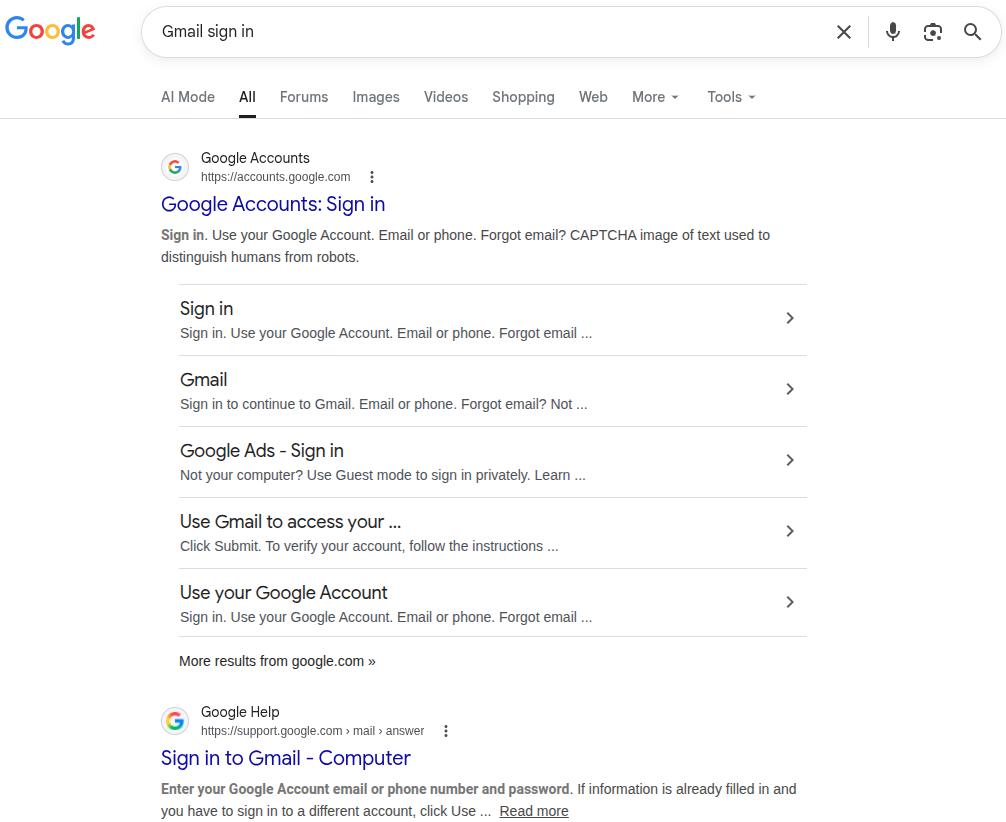
    • “Gmail sign in”

    Intent signals: Brand names, website names, specific page types (“login,” “contact,” “support”).

    Navigational keyword intent filter

    Content format: Homepage, brand pages, specific landing pages.

    How to find them:

    1. Monitor searches for your brand name and variations.
    2. Check Google Search Console for branded search terms.
    3. Use keyword tools to find “brand + modifier” combinations.
    4. Track misspellings of your brand name.

    Optimization tips:

    • Ensure your official pages rank #1 for your brand terms.
    • Create pages for familiar brand + modifier searches.
    • Optimize for voice search versions of your brand name.
    • Monitor and protect against negative SEO targeting your brand.

    Keywords by length and specificity

    The length of a keyword often correlates with its competitiveness and specificity.

    5. Short-tail keywords (Head Terms)

    Short-tail keywords are broad keywords with 1-3 words that have high search volume but vague intent. While challenging to rank for, these keywords can drive significant traffic and help establish your industry’s topical authority. They’re essential for long-term SEO strategy and brand visibility, though they typically have lower conversion rates due to their broad nature.

    Examples:

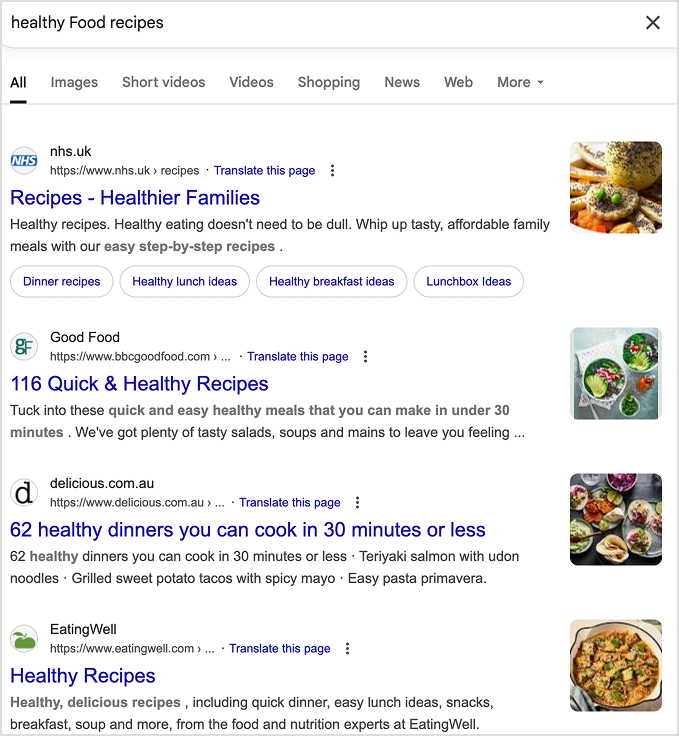
    • “Healthy food recipes”
    • “SEO tools”
    • “running shoes”
    • “digital marketing”

    Characteristics:

    • High monthly search volume (10,000+ searches).
    • Very competitive.
    • Broad, unclear intent.
    • Lower conversion rates.

    How to find them:

    1. Start with your primary business categories.
    2. Use Google Autocomplete for basic terms.
    3. Check what broad terms competitors rank for.
    4. Think about how customers describe your industry.
    Searching short-tail keywords

    Optimization strategy:

    • Target them with comprehensive pillar pages.
    • Create topic clusters around these terms.
    • Focus on long-term ranking goals.
    • Ensure high domain authority before targeting.

    6. Long-tail Keywords

    Long-tail keywords are specific phrases with four or more words that have lower search volume but more apparent intent. These keywords are often easier to rank for and attract highly qualified traffic, making them perfect for new websites to build authority. They typically have higher conversion rates because they capture users with particular needs and intentions.

    Examples:

    • “Best espresso machine under $500”
    • “How to optimize blog posts for SEO”
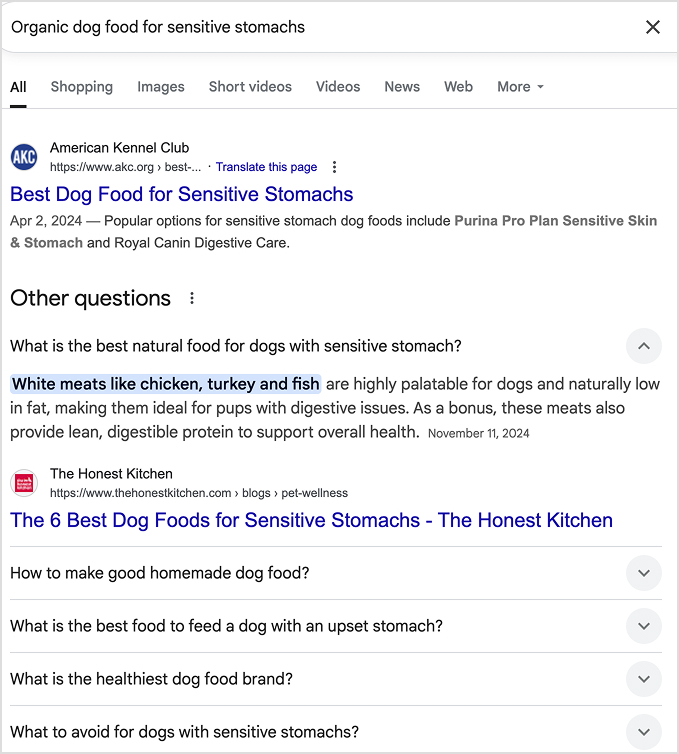
    • “Organic dog food for sensitive stomachs”
    • “Email marketing automation for e-commerce”

    Characteristics:

    • Lower monthly search volume (usually under 1,000).
    • Less competitive.
    • Specific, clear intent.
    • Higher conversion rates.

    How to find them:

    1. Use Google Autocomplete and “People Also Ask”.
    2. Check AnswerThePublic for question-based long-tail terms.
    3. Analyze your Google Search Console data for long phrases.
    4. Use keyword tools with long-tail filters.
    Long-tail Keywords

    Optimization strategy:

    • Create specific, focused content for each long-tail term.
    • Group related long-tail keywords into topic clusters.
    • Target multiple long-tail variations on single pages.
    • Use them in FAQ sections and subheadings.

    Keywords by research strategy

    These keyword types form the foundation of your research process.

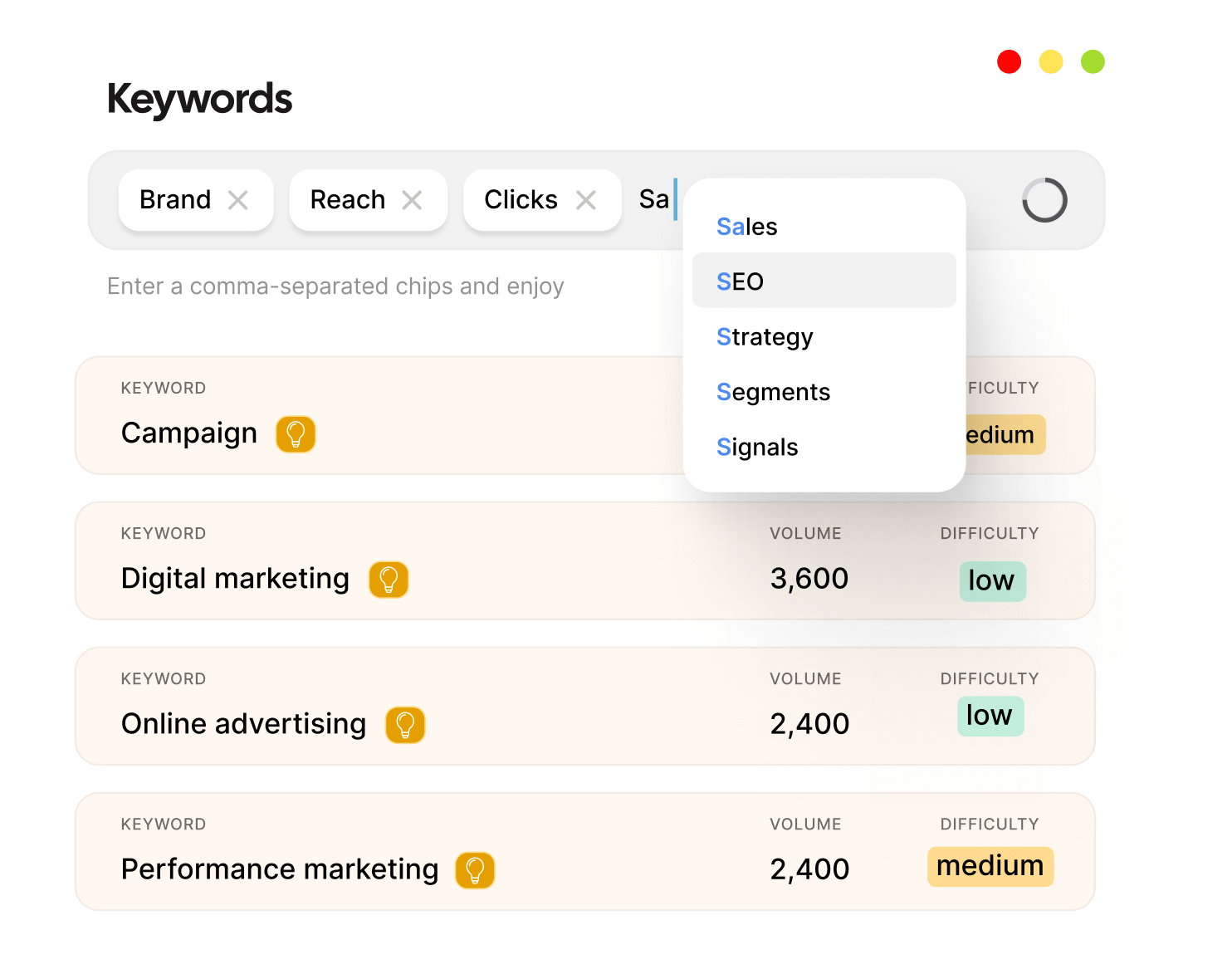
    7. Seed keywords

    Seed keywords are basic terms that describe your business, industry, or topics you want to rank for. They’re the starting point for finding more specific keywords and determining what other keywords you’ll discover during research. Choosing the right seed keywords is crucial because incorrect seeds can lead to wasted time targeting irrelevant terms that don’t align with your business goals.

    Examples:

    • “Email marketing” (for a marketing agency)
    • “Yoga” (for a fitness blog)
    • “Coffee” (for a coffee shop)
    • “Accounting software” (for a SaaS company)
    • Auto repair (for windshield replacement)

    How to find them:

    1. Brainstorm core business terms.
    2. Check your website’s navigation menu.
    3. Ask customers how they describe your products.
    4. Look at competitor websites for category names.
    5. Use your industry’s common terminology.

    Best practices:

    • Start with 5-10 seed keywords per topic.
    • Include both product terms and problem-focused terms.
    • Consider different ways customers might describe the same thing.
    • Validate seeds by checking if they generate relevant keyword suggestions.

    8. Primary Keywords

    Primary keywords are the main keywords you want a specific page to rank for. Each page should have one primary keyword that guides the content strategy and prevents keyword cannibalization (multiple pages competing for the same term). Having an explicit primary keyword provides focus for your content creation and helps search engines understand the fundamental topic of your page.

    Examples:

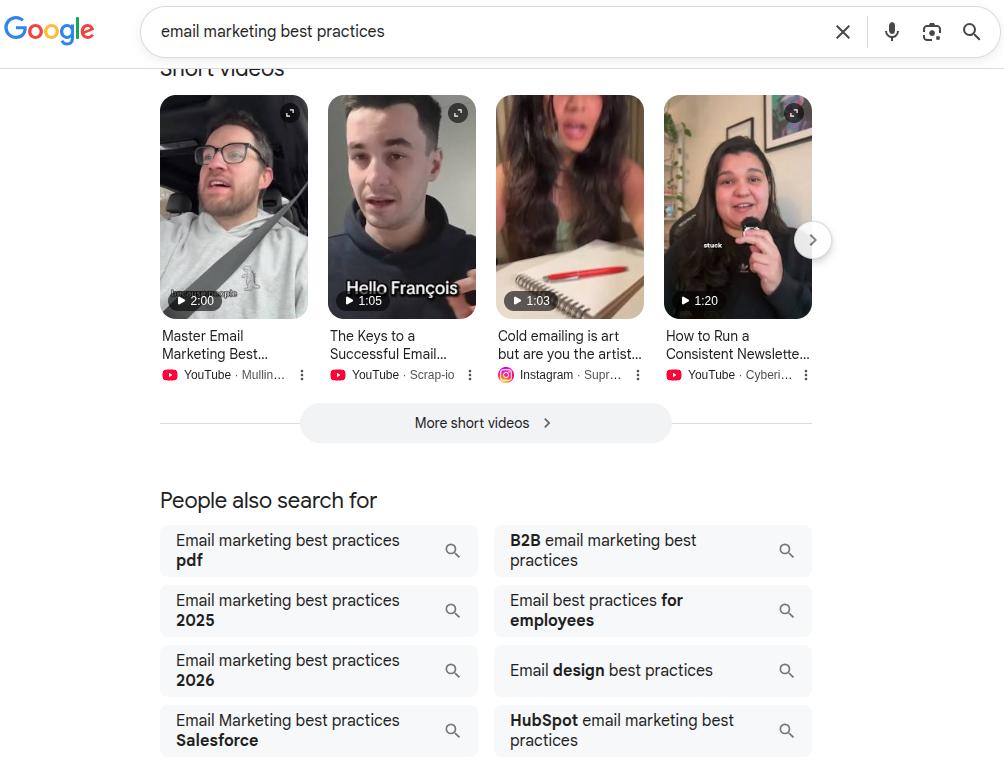
    • Primary keyword for a blog post: “email marketing best practices”
    • Primary keyword for a product page: “project management software”
    • Primary keyword for a service page: “SEO audit”

    How to choose them:

    1. Pick keywords with decent search volume (varies by industry).
    2. Ensure a manageable competition level.
    3. Match search intent with your content type.
    4. Consider business value and conversion potential.
    Primary Keywords

    Optimization strategy:

    • Include in title tag, H1, and URL.
    • Mention naturally in the first paragraph.
    • Use in image alt text and meta description.
    • Don’t overuse, focus on natural, helpful content.

    9. Secondary Keywords

    Secondary keywords are related terms that support your primary keyword and help you rank for multiple variations. They enable you to cover topics comprehensively and capture additional search traffic with related intent, while also helping search engines better understand the full scope and context of your content.

    Examples

    If the primary keyword is “email marketing best practices,” then secondary keywords can be:

    • “email marketing tips”
    • “effective email campaigns”
    • “email marketing templates”
    • “email marketing platforms”

    How to find them:

    1. Use “People Also Ask” and “Related Searches” on Google.
    2. Check keyword tool suggestions for your primary term.
    3. Look at what terms top-ranking pages also rank for.
    4. Use Google Search Console to find terms your existing content ranks for.

    Optimization strategy:

    • Include in H2 and H3 subheadings.
    • Use naturally throughout the body content.
    • Add to image alt text and captions.
    • Use as an internal link’s anchor text.

    Keywords by competition and opportunity

    Understanding keyword difficulty helps you prioritize your efforts.

    10. Low-competition keywords

    Keywords that are relatively easy to rank for due to lower competition from other websites.

    Characteristics:

    • Lower keyword difficulty scores (typically under 30).
    • Fewer high-authority sites ranking.
    • Often longer, more specific phrases.
    • May have lower search volume but higher conversion potential.

    Examples:

    • “Best project management software for remote teams under 50 people”
    • “How to optimize a Shopify store for voice search”
    • “Email marketing automation for B2B SaaS companies”

    How to find them:

    1. Use keyword difficulty filters in SEO tools (set max difficulty to 20-30).
    2. Target long-tail variations of competitive terms.
    3. Look for newly trending topics before they become competitive.
    4. Focus on niche-specific terms in your industry.

    Strategic advantages:

    • Faster ranking results for new websites.
    • Higher chance of reaching page 1.
    • Often, more targeted, qualified traffic.
    • Suitable for building initial authority and traffic.

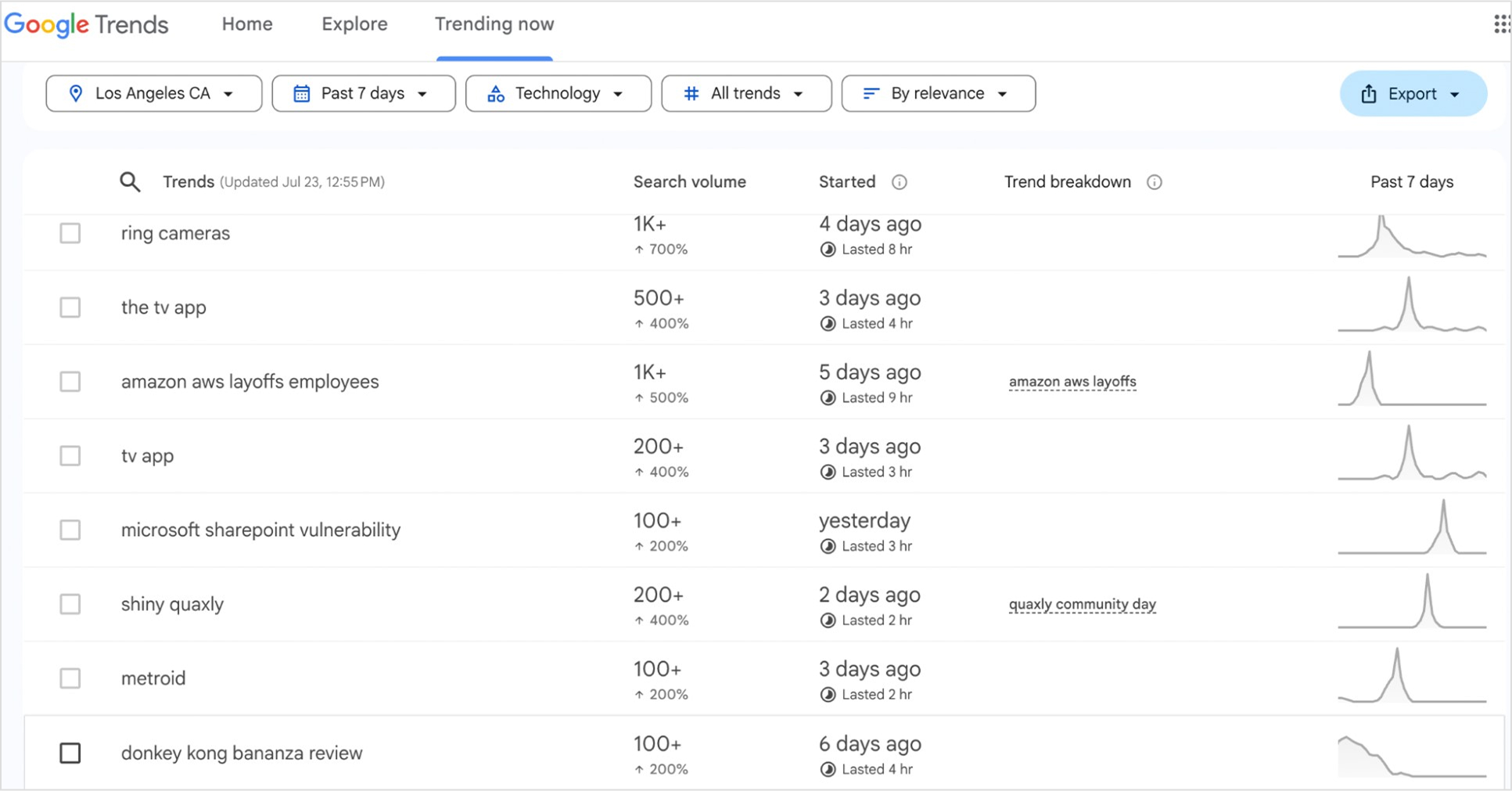
    11. Trending Keywords

    Search terms experiencing rapid growth in search volume are often related to current events, new technologies, or seasonal trends.

    Examples:

    • “ChatGPT for business” (emerged in 2025)
    • “iOS 17 features” (seasonal around Apple releases)
    • “Sustainable packaging solutions” (growing environmental trend)
    • “Remote work productivity tools” (grew during pandemic)

    How to identify them:

    1. Use Google Trends to spot rising search terms.
    2. Monitor social media for emerging topics in your industry.
    3. Check keyword tools for terms with growth indicators.
    4. Follow industry news and technological developments.
    5. Set up Google Alerts for industry keywords.
    Trending Keywords

    Why they’re valuable:

    • Lower competition in the early stages.
    • Opportunity to become an authority on new topics.
    • Potential for viral content and backlinks.
    • Can establish thought leadership.

    Risks to consider:

    • Maybe temporary trends with short lifespans.
    • Could become highly competitive quickly.
    • Might not have lasting search volume.
    • May not align with your business goals.
    Contentpen.ai

    Keywords by brand association

    Brand-related keywords require different strategies depending on ownership.

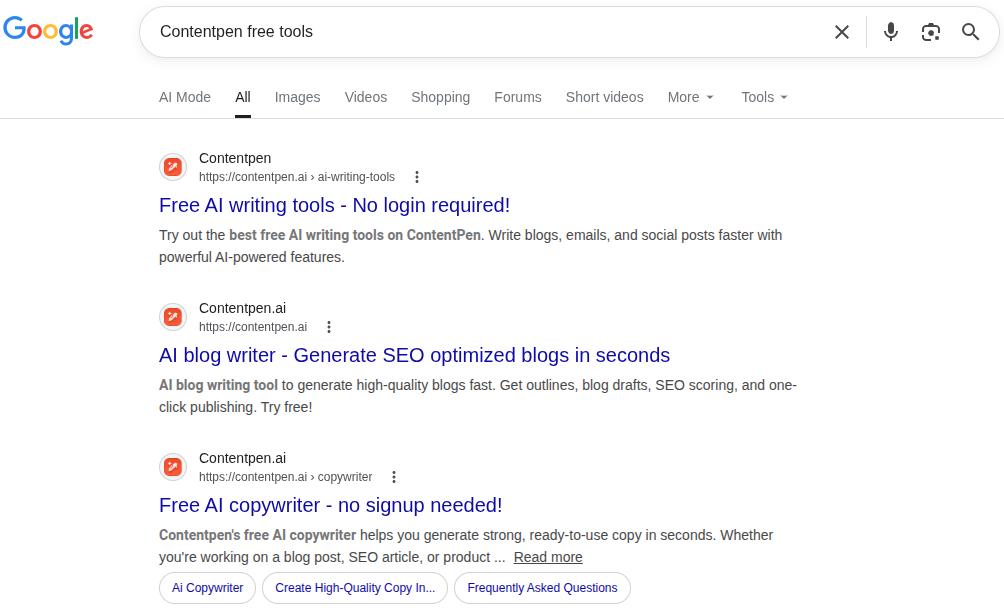
    12. Branded keywords

    Branded keywords are search terms that include your brand name, product names, or other branded terms specific to your company. These keywords typically have high conversion rates since users already know your brand, are easier to rank for because you own the brand, and are essential for brand protection and control. They often indicate bottom-funnel traffic with strong purchase intent.

    Examples:

    • “Nike running shoes”
    • “Mailchimp email templates”
    • “Contentstudio free tools”
    • “Tesla Model 3 review”

    How to optimize for them:

    1. Ensure your official pages rank #1 for brand terms.
    2. Create pages for brand + product combinations.
    3. Monitor for negative content ranking for your brand terms.
    4. Optimize for brand + location combinations if relevant.

    Types of branded keywords to target:

    • Brand name alone
    • Brand + product categories
    • Brand + “review,” “pricing,” “features”
    • Brand + location modifiers
    • Common misspellings of your brand
    Branded keywords

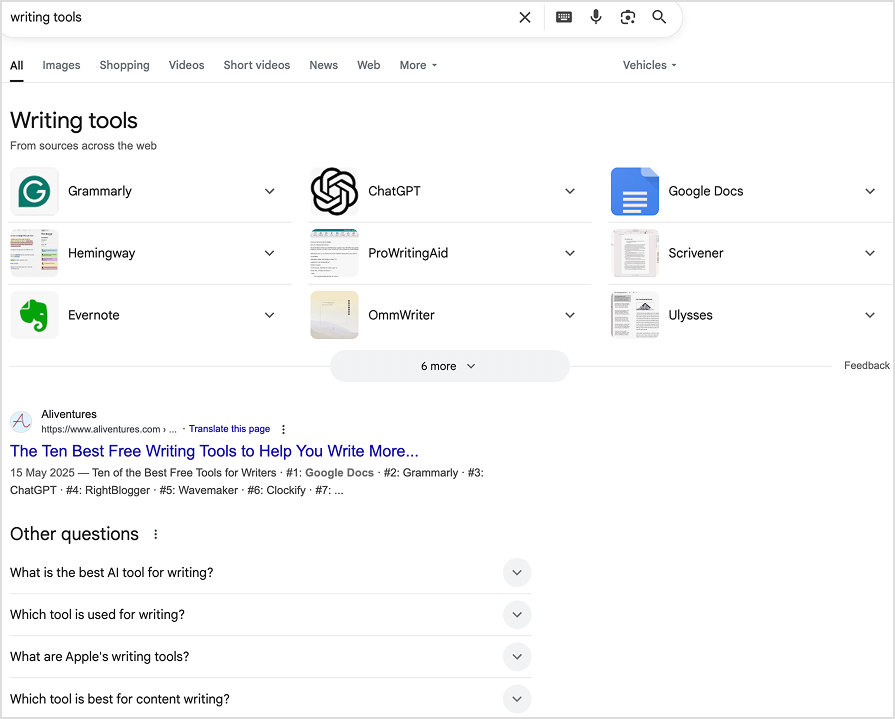
    13. Non-branded keywords

    Non-branded keywords are generic terms that don’t include any specific brand names but relate to your industry, products, or services. They’re essential for capturing users who are unfamiliar with your brand, typically have higher search volume than branded terms, and are crucial for market expansion and establishing authority in your category. While usually more competitive, they’re essential for long-term growth.

    Examples:

    • “Email marketing software” (instead of “Mailchimp”)
    • “Running shoes” (instead of “Nike running shoes”)
    • “Project management tool” (instead of “Asana”)
    Non-branded keywords

    Competition considerations:

    • Usually more competitive than branded terms.
    • Require stronger content and SEO efforts.
    • May have lower initial conversion rates.
    • Important for long-term growth.

    Keywords by location

    Local and geographic keywords are crucial for location-based businesses.

    14. Local keywords

    Local keywords are search terms that include specific geographic locations, such as cities, neighborhoods, or regions. They’re essential for local businesses, often trigger Google’s local pack results, usually have high commercial intent, and face less global competition. These keywords are crucial for companies that serve specific geographic areas and want to attract nearby customers.

    Examples:

    • “Pizza delivery Manhattan”
    • “Dandelion chocolate, San Francisco”
    • “Wedding photographers San Francisco”
    • “SEO agency London”

    Types of local keywords:

    • Service + city (“plumber Boston”)
    • Service + neighborhood (“hair salon SoHo”)
    • Service + “near [landmark]” (“coffee shop near Central Park”)
    • Service + zip code (“restaurants 90210”)

    How to find them:

    1. Combine your primary services with local area names.
    2. Use Google My Business insights to see how people find you.
    3. Check local competitor websites for location terms they target.
    4. Use local keyword research tools.

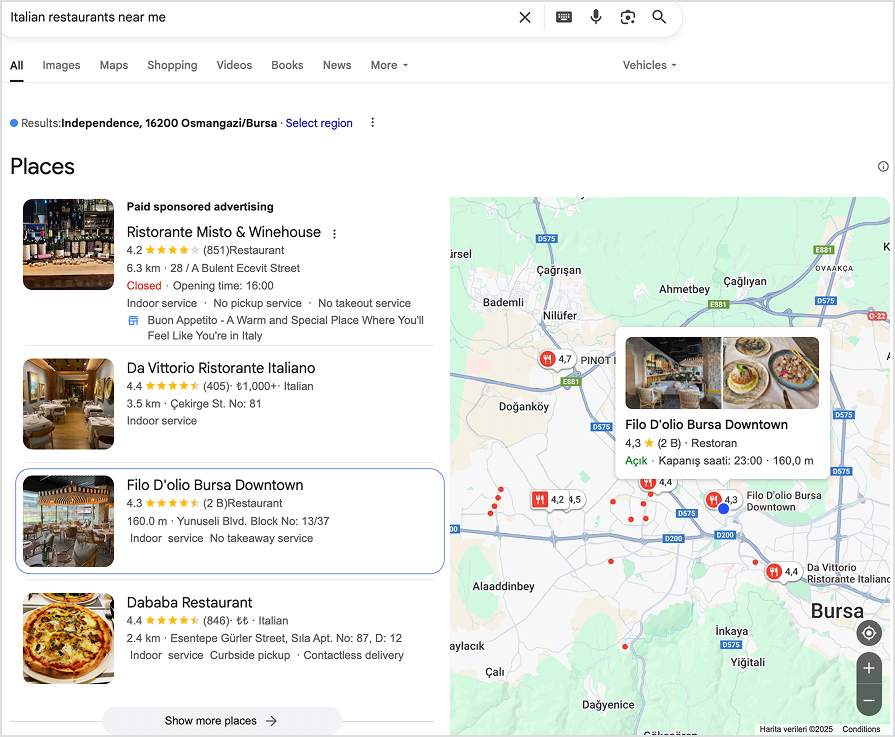
    15. “Near Me” keywords

    “Near Me” keywords are search queries where users add “near me” to find local businesses or services in their vicinity. These keywords have extremely high commercial intent, representing mobile-first searches with immediate needs that often lead to same-day visits or purchases, and are growing rapidly with the adoption of voice search. They’re invaluable for local businesses seeking to capture customers who are ready to take immediate action.

    Examples:

    • “Coffee shops near me”
    • “Auto repair near me”
    • “Gyms near me”
    • “Italian restaurants near me”

    Optimization strategies:

    • Ensure Google My Business is fully optimized.
    • Include location information throughout your website.
    • Create location-specific landing pages.
    • Optimize for mobile and page speed.
    • Encourage customer reviews and local citations.
    Near Me keywords

    How to find different types of keywords:

    Free methods

    • Google Autocomplete: Start typing your seed keyword in Google and note the suggestions that appear. These represent real searches people are making.
    • People Also Ask: Look for the expandable questions that appear in search results. Each question represents a potential keyword opportunity.
    • Related Searches: Scroll to the bottom of Google search results to find related search terms.
    • Google Search Console: Check what keywords your website already ranks for. Look for opportunities to optimize for terms that rank on the first two pages of the search results.
    • Competitor Analysis: Visit your competitors’ websites and note the terms they optimize for in titles, headings, and content.

    Measuring keyword performance

    Key metrics to track

    1. Rankings: Monitor position changes for target keywords to see if your optimization efforts are working. Track both individual keyword positions and overall ranking trends.

    2. Organic Traffic: Track search traffic from different keyword groups to understand which types of keywords drive the most visitors to your site.

    3. Click-Through Rate (CTR): Measure how compelling your titles and meta descriptions are by monitoring what percentage of people click on your results when they appear in search.

    4. Conversion Rate: Track which keywords drive the most valuable actions (purchases, signups, downloads) to focus your efforts on high-converting terms.

    5. Search Impression Share: See how often you appear for target terms compared to total search volume, helping identify growth opportunities.

    Tools for tracking

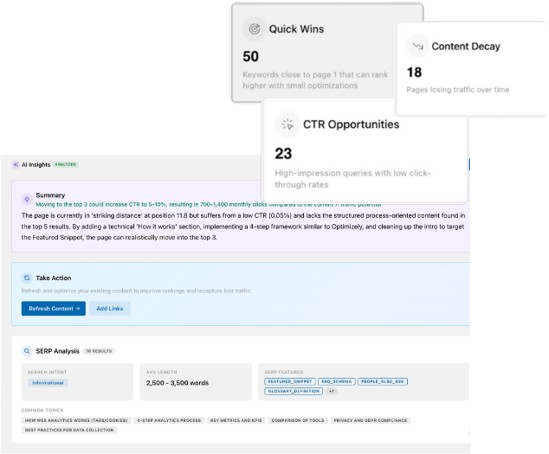
    1. Contentpen – AI blog writer tool

    1. AI-powered keyword discovery and content optimization.
    2. Comprehensive keyword analysis with search volume data.
    3. Integrated content creation tools for keyword-optimized blog posts.
    Contentpen dashboard

    2. Google search console

    1. Free tracking of rankings, impressions, and clicks.
    2. Shows which keywords already drive traffic to your site.
    3. Identifies opportunities for improvement.

    3. Usermaven

    1. Detailed traffic and conversion tracking.
    2. Revenue attribution to specific keywords.
    3. User behavior analysis for keyword-driven traffic.
    Usermaven

    4. SEMrush

    • Automated position monitoring for target keywords.
    • Historical ranking data and trend analysis.
    • Competitor ranking comparisons.

    5. Ahrefs

    • Ongoing opportunity identification.
    • Search volume and competition tracking.
    • New keyword discovery and trend monitoring.

    Conclusion

    Remember: a successful keyword strategy isn’t about ranking for the most keywords, it’s about ranking for the right keywords that drive qualified traffic and conversions for your business.

    The SEO landscape continues evolving, but focusing on user intent and providing genuine value will always be the foundation of effective keyword targeting. Use this guide as your roadmap, but always prioritize creating content that genuinely helps your audience. 

    Start by auditing your current content against these keyword types, first identifying gaps in your strategy, and then begin creating content that targets the most valuable opportunities for your business.

    Frequently asked questions

    How many keyword types should I target on each page? 

    Focus on one primary keyword per page, supported by three to five related secondary keywords. It prevents keyword cannibalization while allowing comprehensive topic coverage.

    Should new websites avoid competitive keywords entirely? 

    Not entirely, but prioritize long-tail and low-competition keywords first. As your site gains authority, gradually target more competitive terms.

    How often should I update my keyword strategy? 

    Review quarterly for major updates, but monitor performance on a monthly basis. Industry trends, seasonality, and algorithm changes may require more frequent adjustments.

    Can one keyword fit multiple types?

    Absolutely. For example, “best coffee maker 2025” is a commercial intent, medium-tail length, and non-branded term. Understanding all applicable types helps with strategic decisions.

    What’s the most essential keyword type for new businesses? 

    Start with informational long-tail keywords to build authority and traffic, then gradually incorporate commercial and transactional terms as your content library grows.