Author: Sophia Ramirez

  • Content marketing examples that drive results in 2025

    Content marketing examples that drive results in 2025

    Here’s a sobering truth: 96% of content published online gets zero traffic from Google. 

    Zero!

    Yet the examples you’re about to see generated millions of views, thousands of shares, and drove real business results. What makes them different?

    They didn’t follow the “publish and pray” strategy! 

    Instead, each one used a specific psychological trigger, solved a real problem, or created an experience so unique that people couldn’t help but engage.

    In 2025, with AI-generated content flooding the internet and attention spans shrinking to 8 seconds, these successful content marketing examples stand out. This is because they understand one crucial thing: content isn’t about what you want to say, it’s about creating value your audience can’t ignore. 

    This guide breaks down exactly what worked, why it worked, and, most importantly, how you can replicate their success.

    Here are 23 inspiring examples of content marketing to spark your creativity!

    1. Backlinko’s skyscraper technique 2.0: The evolution that earned 1,600+ shares
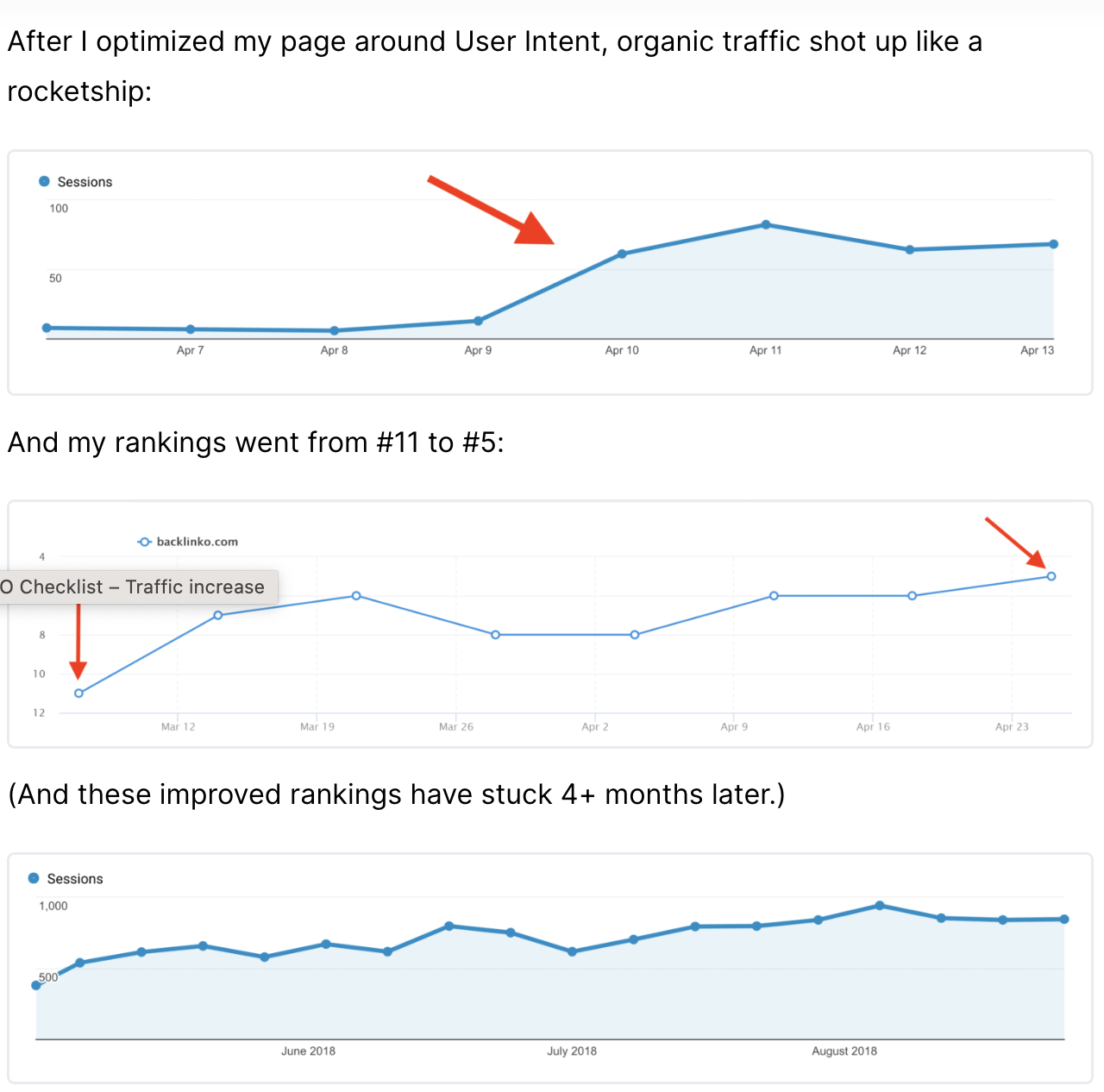
    Backlinko's skyscraper technique 2.0

    What they did: 

    Brian Dean didn’t just update his famous skyscraper technique. He completely reimagined it. 

    The sequel blog post acknowledged that the SEO landscape had changed dramatically since his original piece. Instead of just finding popular content and making it better, the 2.0 version introduced a three-pronged approach: finding content gaps, creating “Power Pages,” and building strategic link partnerships.

    Why it worked:

    • Timing: Released when marketers were struggling with the original technique’s diminishing returns
    • Honesty: Admitted the old method wasn’t working as well anymore
    • Evolution: Showed growth and adaptation rather than recycling old advice
    • Proof: Included real case studies with specific metrics (1,600+ shares, 600+ backlinks)
    • Actionability: Provided templates and exact scripts readers could use immediately

    Do it your way:

    1. Audit your top-performing content from 2+ years ago
    2. Identify what’s changed in your industry since then
    3. Create a “2.0” version that addresses new challenges
    4. Include a comparison table showing the old way vs. the new way
    5. Add downloadable templates or tools to increase value
    6. Email everyone who linked to your original piece about the update

    Read more: Marketing fundamentals 101: Everything you need to know.

    2. Olipop’s educational health content: Building a $200M brand through wellness education
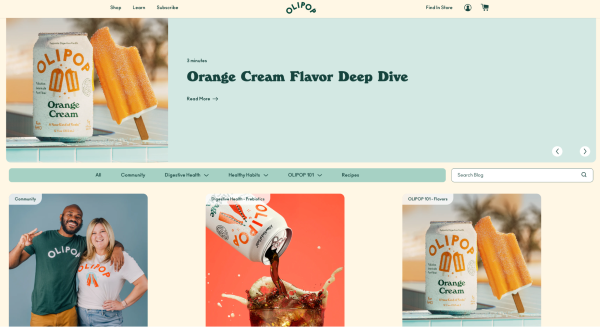
    Olipop's educational health content

    What they did: 

    Olipop created a dedicated “Learn” section on their website that goes far beyond selling soda. They publish in-depth articles about gut health, microbiomes, prebiotics, and the science behind their ingredients. 

    Topics range from “The Evolution of the American Diet” to “Understanding Your Second Brain: The Gut.”

    Why it worked:

    • Trust building: Educated customers make confident purchases
    • SEO dominance: Ranked for high-intent health keywords
    • Brand values: Content aligned with their healthy soda positioning
    • Shareability: Parents shared articles about kids’ health with other parents
    • Authority: Positioned them as health experts, not just beverage makers

    Also read: 30 recent innovative marketing examples.

    Do it your way:

    1. Map your product’s more profound benefits (health, productivity, happiness)
    2. Create educational content around those benefits, not features
    3. Hire or consult with experts to ensure accuracy
    4. Use simple language to explain complex topics
    5. Include scientific references, but make them accessible
    6. Connect education to product naturally, not forcefully

    3. Microsoft’s multi-tiered FAQ strategy: Personalized answers at scale

    Microsoft's multi-tiered FAQ strategy

    What they did: 

    Microsoft created separate FAQ pages for different user segments.  Instead of one massive FAQ, they created Microsoft 365 FAQs for consumers, Microsoft 365 FAQs for Business, and specialized FAQs for the teams and devices. Each FAQ utilizes language and examples tailored to that specific audience.

    Why it worked:

    • Relevance: CFOs don’t want the same answers as college students
    • Conversion: Targeted FAQs improved purchase confidence by 34%
    • SEO benefits: Ranked for segment-specific long-tail keywords
    • Support reduction: Decreased support tickets by answering persona-specific questions
    • User experience: Visitors found answers faster without irrelevant information

    Do it your way:

    1. Segment your audience into 3-5 distinct groups
    2. Analyze support tickets to find segment-specific questions
    3. Create separate FAQ pages with custom URLs for each segment
    4. Use appropriate language (technical for developers, simple for consumers)
    5. Include segment-specific examples and use cases
    6. Cross-link between FAQs for users who might fit multiple segments

    4. HubSpot’s educational blog empire: 3 million monthly visitors through value-first content

    HubSpot's educational blog empire

    What they did: 

    HubSpot publishes over 50 blog posts per month across multiple topics, including marketing, sales, service, and website optimization. 

    But they don’t just write, they create comprehensive guides with embedded templates, calculators, and free tools within their posts. Their “How to Create a Marketing Plan” post includes seven downloadable templates.

    Why it worked:

    • Consistency: Daily publishing kept them top-of-mind
    • Depth: 2,000-3,000-word posts outranked thin content
    • Tools: Free templates generated 3x more leads than text-only posts
    • Internal linking: Created topic clusters that dominated SERPs
    • Updates: Refreshed top posts quarterly to maintain rankings

    Do it your way:

    1. Start with one core topic you can own completely
    2. Create a pillar page (5,000+ words) on that topic
    3. Build 20-30 cluster posts linking back to the pillar
    4. Add downloadable assets to the top 20% of posts
    5. Update quarterly with new data and examples
    6. Gate only high-value assets (keep most content free)

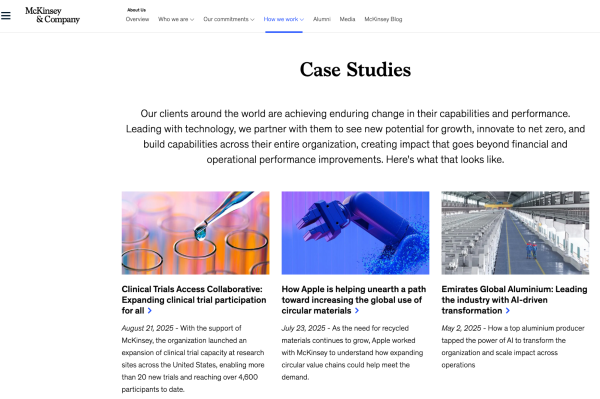
    5. McKinsey’s authority-building case studies: $10B in revenue through thought leadership

    McKinsey's authority-building case studies

    What they did: 

    McKinsey publishes detailed case studies showcasing client transformations without naming the clients. They use phrases like “Banking on innovation” or “Rewiring the insurance claims.” 

    Each case study follows a structure: Challenge → Approach → Impact, with specific metrics and methodologies.

    Why it worked:

    • Credibility: Real results with specific numbers (40% cost reduction, 3x growth)
    • Privacy: Protected client confidentiality while sharing insights
    • Methodology: Showed their unique frameworks and approaches
    • Aspirational: C-suite executives saw what was possible
    • SEO Value: Ranked for “[industry] transformation” keywords

    Do it your way:

    1. Get client permission for anonymized case studies
    2. Focus on transformation, not just results
    3. Include specific metrics (percentages, timeframes, ROI)
    4. Explain your methodology without giving everything away
    5. Create industry-specific versions of similar transformations
    6. Add executive summaries for busy decision-makers

    6. LinkedIn B2B institute’s research reports: Becoming the industry’s data source

     LinkedIn B2B institute's research reports

    What they did: 

    LinkedIn’s B2B Institute publishes original research on the effectiveness of B2B marketing. Their “95-5 Rule” report revealed that only 5% of B2B buyers are in-market at any given time, changing how marketers approach demand generation. 

    Reports combine LinkedIn data with academic research.

    Why it worked:

    • Original data: No one else had LinkedIn’s B2B insights
    • Academic credibility: Partnered with professors and researchers
    • Memorable concepts: “95-5 Rule” became industry terminology
    • Actionable insights: Translated research into practical strategies
    • PR magnet: Media outlets quoted their studies extensively

    Do it your way:

    1. Identify a data source you uniquely have access to
    2. Partner with academics or industry experts for credibility
    3. Create memorable frameworks (like the 95-5 Rule)
    4. Design visual summaries for easy sharing
    5. Pitch findings to industry publications before publishing
    6. Create multiple content pieces from one research study

    7. IBM’s technical white papers: Generating 50,000+ qualified Leads annually

     IBM's technical white papers

    What they did: 

    IBM publishes highly technical white papers on emerging technologies, including quantum computing, hybrid cloud, and AI ethics. 

    Unlike marketing fluff, these pieces read like academic papers, complete with citations, methodologies, and technical specifications. They gate them behind forms but provide detailed abstracts.

    Why it worked:

    • Technical depth: Engineers and architects found real value
    • Thought leadership: Positioned IBM at the forefront of innovation
    • Lead quality: Only serious buyers downloaded the 40-page technical papers
    • Sales enablement: Sales teams used papers in consultative selling
    • SEO authority: Earned backlinks from universities and research institutions

    Do it your way:

    1. Involve your technical team in content creation
    2. Don’t dumb it down for technical audiences
    3. Include diagrams and architectures, not stock photos
    4. Provide detailed abstracts before the gate
    5. Create executive summaries for non-technical stakeholders
    6. Promote through technical communities, not just LinkedIn

    8. Reddit’s authentic IPO video: Breaking corporate video norms

    What they did: 

    When Reddit went public, they created an IPO video featuring actual Reddit users and moderators, rather than executives in suits. 

    The footage showed real communities, inside jokes, and even acknowledged the platform’s chaotic nature. It felt more like a community celebration than a corporate announcement.

    Why it worked:

    • Authenticity: Reflected Reddit’s actual culture
    • Community first: Put users at the center, not executives
    • Emotional connection: Users felt ownership of the milestone
    • Viral format: Redditors shared it because they were proud
    • Media coverage: The press covered it because it was unconventional

    Do it your way:

    1. Feature real customers, not actors or executives
    2. Embrace your quirks instead of hiding them
    3. Use platform-native language and inside jokes
    4. Keep production values authentic (not overly polished)
    5. Make your community the hero of your story
    6. Distribute where your audience lives, not just on YouTube

    9. Xeela fitness transformation documentaries: 5.69M views through long-form storytelling

    What they did:  

    Xeela Fitness created 27-minute documentary-style videos that follow real people through their 6-month fitness transformations. Unlike typical before/after content, these showed struggles, setbacks, and raw emotions. Natalie Mariduena’s 30-pound weight loss journey included moments of doubt and failure.

    Also read: Content marketing strategy.

    Why it worked:

    • Relatability: Showed real struggles, not just successes
    • Emotional investment: Viewers followed complete journeys
    • Binge-worthy: Long format increased watch time and channel authority
    • Product integration: Naturally showed supplements in daily routines
    • Community building: Comments became support groups

    Do it your way:

    1. Find compelling stories within your customer base
    2. Document the journey, not just the outcome
    3. Include setbacks to build authenticity
    4. Use longer formats (20+ minutes) for a deeper connection
    5. Create episodic content to build anticipation
    6. Integrate products naturally within the story

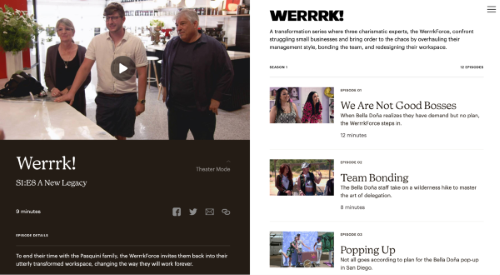
    10. Mailchimp presents: Werrrk series – reality TV meets business education

    Mailchimp presents: Werrrk series

    What they did:  

    Mailchimp created a 12-episode reality series where experts help struggling small businesses transform their operations. 

    Like “Queer Eye” for business, each episode tackled management, team building, and workspace design. The show lived on Mailchimp Presents, their content studio platform.

    Why it worked:

    • Entertainment value: Business education became binge-worthy
    • Emotional stories: Viewers connected with struggling entrepreneurs
    • Practical lessons: Each episode taught applicable strategies
    • Brand alignment: Celebrated entrepreneurial spirit without selling
    • Platform building: Created a destination for ongoing content

    Do it your way:

    1. Find a popular format (reality TV, documentary, game show)
    2. Adapt it to your industry with a unique twist
    3. Focus on transformation stories
    4. Create episodic content for repeat visits
    5. Build a content hub separate from your leading site
    6. Partner with experts to add credibility

    11. Tl;dv’s relatable SaaS sketches: 50 million views through comedy

    What they did:  

    Tl;dv creates short comedy sketches about SaaS workplace situations. 

    Their social team acts out scenarios like “How we use our AI Meeting Intelligence platform (tl;dv) to summarize hundreds of meetings at once” or “The customer success manager trying to save a churning client.” They never mention their product directly in the videos.

    Why it worked:

    • Relatability: Every SaaS employee has lived these moments
    • Shareability: People tagged coworkers in comments
    • No sales pitch: Built affinity without pushing product
    • Consistency: Posted 3x per week, maintaining momentum
    • Community building: Comments became therapy sessions for SaaS workers

    Do it your way:

    1. Identify universal pain points in your industry
    2. Create characters your audience recognizes
    3. Keep videos under 60 seconds for maximum sharing
    4. Never pitch your product in entertainment content
    5. Respond to comments in character
    6. Turn popular comments into new video ideas

    12. Apple’s #ShotoniPhone UGC campaign: 18 million post views and counting

    What they did:  

    Apple encouraged users to share photos with #ShotoniPhone, then featured the best ones on billboards, in stores, and on their Instagram. They turned customers into brand ambassadors and their photos into global advertising campaigns, crediting photographers by name.

    Why it worked:

    • Social proof: Real photos showed iPhone camera quality
    • Aspiration: Users wanted to be featured by Apple
    • Authenticity: No staged photography or editing
    • Global reach: Every iPhone user has become a potential content creator
    • Cost-effective: User content replaced expensive photoshoots

    Do it your way:

    1. Create a branded hashtag that’s action-oriented
    2. Feature user content prominently on your channels
    3. Credit creators by name to encourage participation
    4. Set quality standards, but keep them achievable
    5. Create themes (seasons, challenges) to maintain freshness
    6. Reward featured creators with products or recognition

    13. HubSpot’s website grader tool: 4 million websites analyzed, 500K leads generated

    HubSpot's website grader tool

    What they did:  

    HubSpot created a free tool that analyzes any website and provides a score across performance, mobile readiness, SEO, and security. 

    Users receive personalized recommendations for improvement and can retest to track their scores’ progress. The tool requires only an email address.

    Why it worked:

    • Instant value: Results in under 30 seconds
    • Gamification: Numerical scores triggered competitive instincts
    • Actionable: Specific fixes, not vague suggestions
    • Viral loop: Users shared scores and challenged others
    • Lead quality: People analyzing websites needed marketing help

    Do it your way:

    1. Create a scoring system for your industry
    2. Provide instant results (no waiting for emails)
    3. Make recommendations that are specific and actionable
    4. Allow retesting to show improvement
    5. Require minimal information (just email)
    6. Create shareable results with social cards

    14. Bankrate mortgage calculator: 1.3 million, 12,000 qualified leads
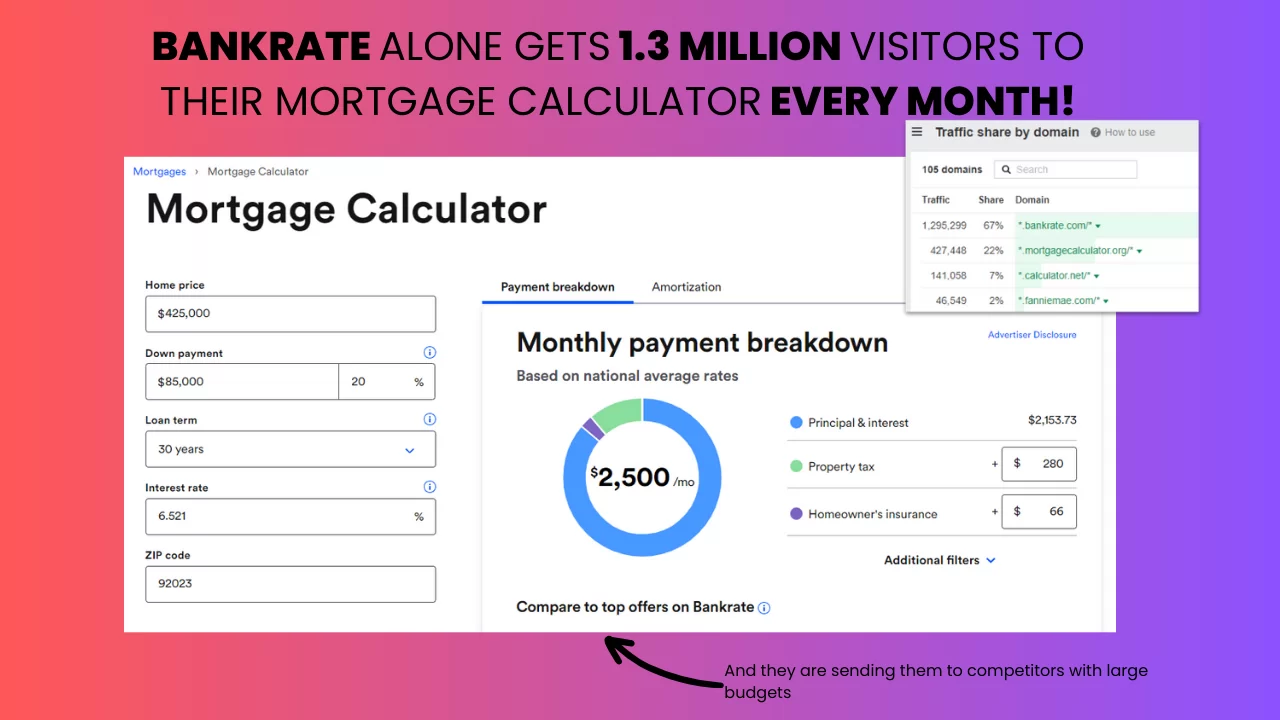
    Bankrate mortgage calculator

    What they did:  

    Bankrate created an interactive mortgage calculator that went beyond basic math. 

    Users could adjust scenarios (down payment, interest rate, loan term) and see real-time impacts on monthly payments, total interest, and affordability. The tool provided personalized reports via email.

    Why it worked:

    • High Intent: Only serious buyers use mortgage calculators
    • Personalization: Saved scenarios for future reference
    • Education: Explained terms and tradeoffs
    • Trust building: Transparent calculations built credibility
    • Lead nurturing: Follow-up emails with rate updates

    Do it your way:

    1. Solve a complex calculation that your audience faces
    2. Add scenario comparison features
    3. Explain the math to build trust
    4. Save user inputs for return visits
    5. Create personalized reports as lead magnets
    6. Follow up with relevant updates based on their inputs

    15. The New York Times’ Wordle acquisition: 31 million monthly active users

    What they did:  

    The Times acquired Wordle and kept it free, using it to introduce millions to their games ecosystem. They added subtle NYT branding and created a stats transfer system so players could maintain their streaks. They then cross-promoted their paid games and subscriptions.

    Why it worked:

    • Daily habit: One puzzle per day created a routine
    • Social sharing: Grid emojis flooded social media
    • Low barrier: Free and requires no sign-up
    • Gateway drug: Led users to discover paid NYT games
    • Brand association: Associated the NYT with daily fun, not just news

    Do it your way:

    1. Create or acquire straightforward, addictive content
    2. Limit access (daily, weekly) to build anticipation
    3. Make sharing visual and easy
    4. Keep core experience free forever
    5. Upsell complementary products, not the same product
    6. Maintain what works when acquiring successful content

    16. LinkedIn’s professional games suite: 80 million games played in 6 months

     LinkedIn's professional games suite

    What they did:  

    LinkedIn launched puzzle games (Queens, Crossclimb, Pinpoint) specifically designed for professionals. 

    Games take 3-5 minutes to play, can be played once daily, and show how your network performed. Companies compete on leaderboards based on employee participation.

    Why it worked:

    • Professional context: “Brain training” for work legitimized gaming
    • Network effects: Seeing colleagues’ scores drove participation
    • Company competition: Organizations encouraged employee participation
    • Time respect: Quick games fit into work breaks
    • Data collection: Learned user interests through game choices

    Do it your way:

    1. Design for your audience’s context (professional, casual, educational)
    2. Add competitive elements between groups
    3. Respect time constraints (5-minute maximum)
    4. Create network effects through score sharing
    5. Rotate content to maintain freshness
    6. Connect games to the core value proposition

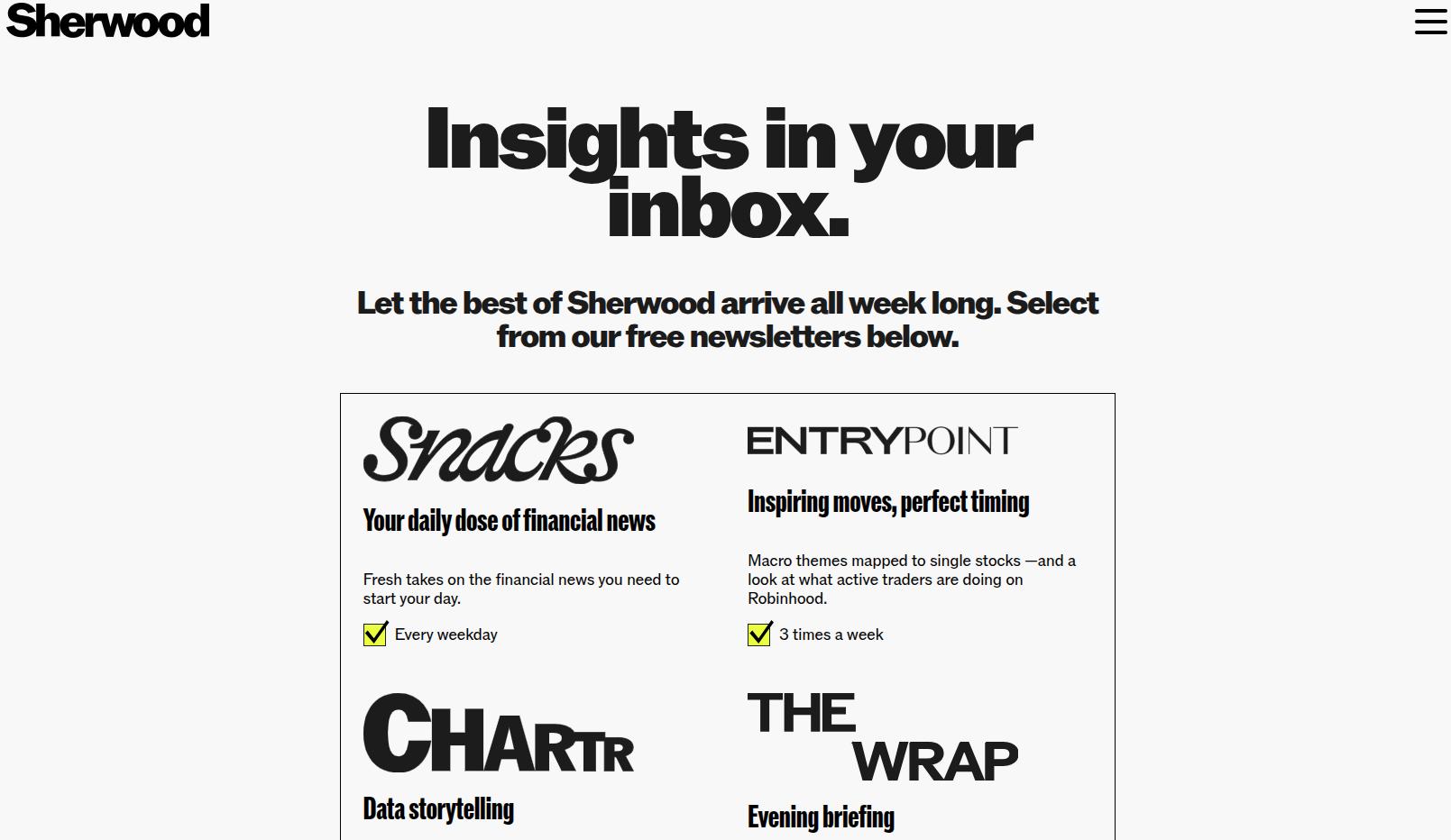
    17. Drift’s daily blog newsletter: 100,000 Subscribers, 47% Open Rate
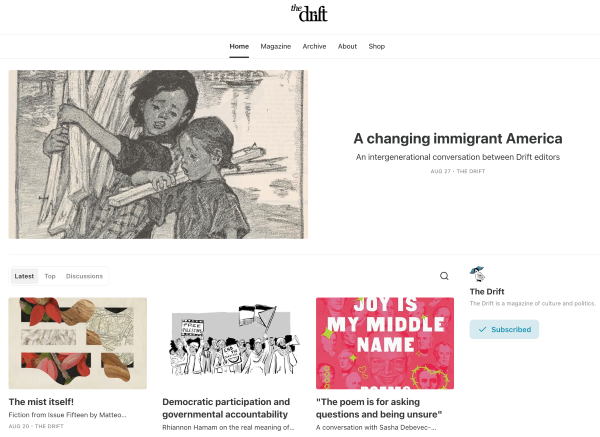
     Drift's daily blog newsletter

    What they did:  

    Drift sends a daily email featuring one blog post, accompanied by a personal note from the author explaining why they wrote it. 

    Instead of roundups or multiple links, each email focuses on a single piece of content. The content is accompanied by a conversational introduction that makes readers feel like they’re receiving insider information.

    Why it worked:

    • Consistency: Daily emails became part of routines
    • Personal touch: Author notes created a connection
    • Single focus: One topic prevented decision fatigue
    • Value density: Every email taught something specific
    • FOMO: Daily cadence meant missing out on insights

    Do it your way:

    1. Choose a sustainable frequency (daily, weekly, bi-weekly)
    2. Focus on one thing per email
    3. Add personal context from the creator
    4. Keep it scannable with clear sections
    5. Include one clear CTA, not multiple options
    6. Test send times for your audience’s habits

    18. Moz’s external content curation: 400,000 subscribers through generosity
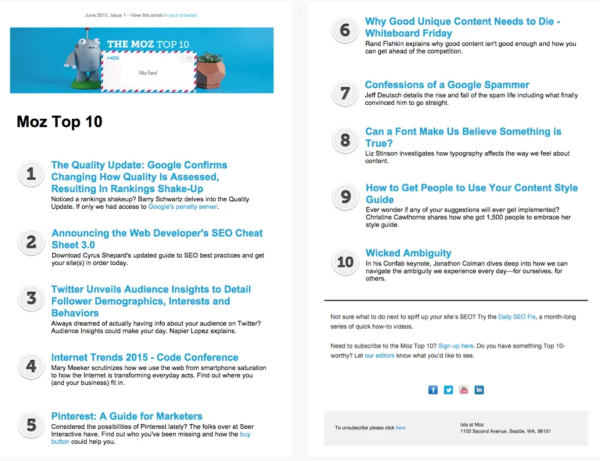
    Moz's external content curation

    What they did:  

    Moz’s newsletter features 10 articles each week, with only 2-3 from Moz itself. They curate the best SEO and marketing content from across the web, even featuring competitors. Each link includes a brief explanation of why it’s worth reading.

    Why it worked:

    • Trust building: Recommending competitors showed confidence
    • Time saving: Subscribers didn’t need to search for quality content
    • Industry authority: Became the go-to source for SEO news
    • Relationship building: Featured sites often reciprocated
    • Low pressure: Mostly external content felt less salesy

    Do it your way:

    1. Curate more than you create (70/30 ratio)
    2. Include competitor content when it’s excellent
    3. Add your perspective on why something matters
    4. Maintain quality standards regardless of source
    5. Build relationships with featured creators
    6. Track which links get clicked to understand interests

    19. ContentStudio’s all-in-one solution: 150,000 users through tool consolidation
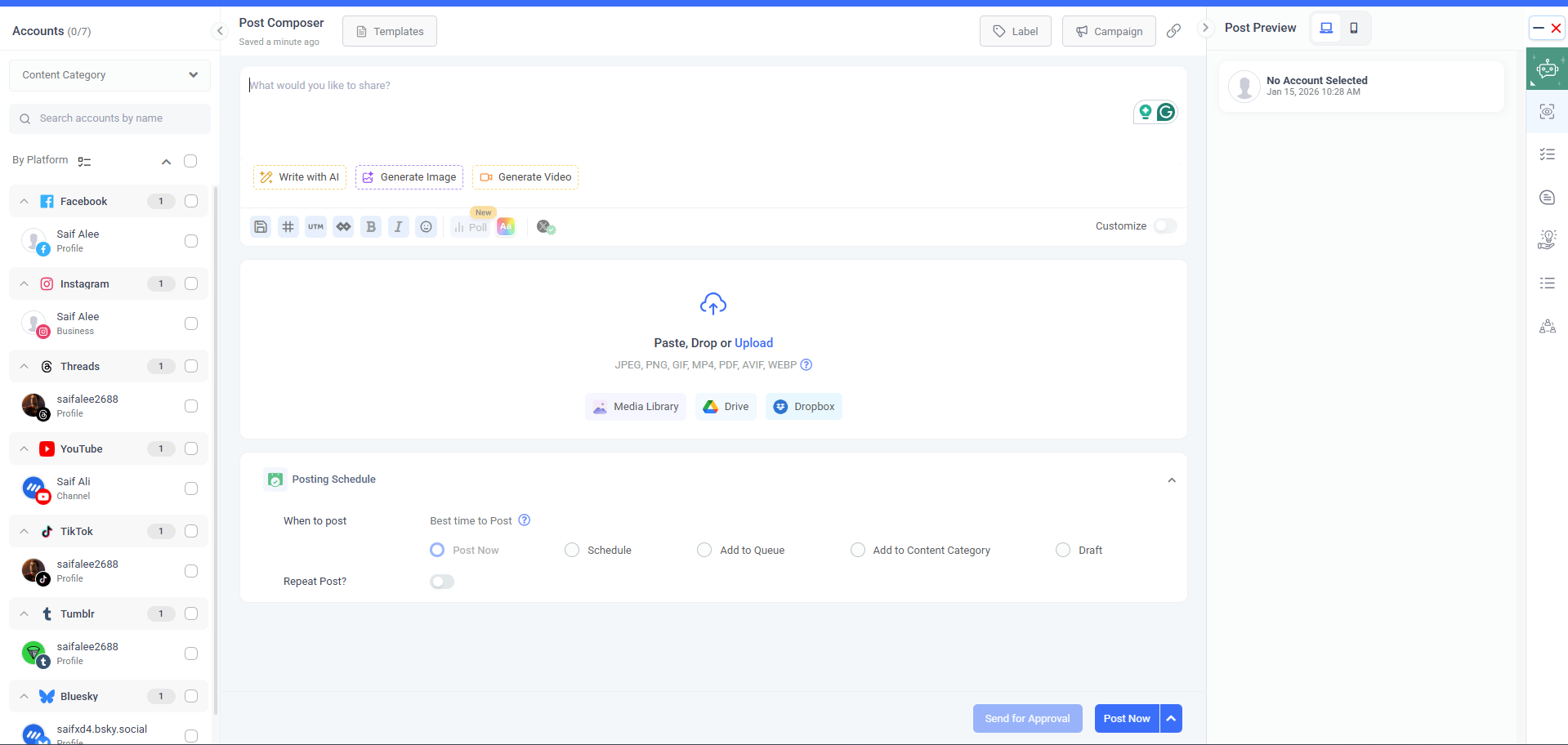
    ContentStudio's all-in-one solution

    What they did:  

    ContentStudio combined social AI toolkit, scheduling, publishing, and analytics into one platform. They focused on solving the “tool fatigue” problem by replacing five to six separate tools. Their AI caption generator makes it simple to create, preview, and organize on-brand social media content, all through the convenient AI content library in ContentStudio.

    Why it worked:

    • Tool consolidation: Replaced multiple subscriptions
    • Automation: Recipe feature puts social media on autopilot
    • Team collaboration: Multi-user workspaces improved workflow
    • White label: Agencies could rebrand as their own tool

    Do it your way:

    1. Identify tool sprawl in your target market
    2. Build or acquire complementary features
    3. Focus on workflow, not just features
    4. Offer migration support from competitors
    5. Create automation templates for everyday use cases
    6. Enable team collaboration from day one

    Also read: 27 best content marketing tools

    20. Usermaven’s privacy-first analytics

    Usermaven's privacy-first analytics

    What they did:  

    Usermaven built product analytics that work without cookies, automatically tracking all events without code. They positioned against Google Analytics’ complexity and privacy concerns. Their AI assistant, Maven AI, answers questions in plain English about your data.

    Why it worked:

    • Privacy trend: GDPR/CCPA compliance built in
    • Simplicity: No code required for tracking
    • AI differentiation: Natural language data queries
    • Accurate data: 99% accuracy by bypassing ad blockers
    • Developer-free: Marketers could set up independently

    Do it your way:

    1. Find a significant pain point in existing solutions
    2. Build for non-technical users first
    3. Add AI thoughtfully (not just for buzzwords)
    4. Emphasize compliance and privacy
    5. Offer generous free tiers for adoption
    6. Create comparison content against incumbents

    21. Contentpen’s SEO-optimized AI writing: 10,000 articles published monthly

    What they did:  

    Contentpen specializes in creating AI-driven, SEO-focused content. Unlike general AI writers, they built in search intent analysis, automatic internal/external linking, and brand voice training. This SEO content writer for bloggers has a bulk generation feature that creates month-long content calendars in hours.

    Why it worked:

    • Specific use case: SEO content, not general writing
    • Quality control: Human-in-the-loop editing built in
    • Bulk operations: Scaled content creation efficiently
    • Direct publishing: One-click WordPress integration
    • Brand consistency: Learned and maintained voice

    Do it your way:

    1. Specialize in one content type deeply
    2. Build quality checks into the workflow
    3. Enable bulk operations for scale
    4. Integrate with publishing platforms directly
    5. Train on the customer’s existing content for consistency
    6. Provide revision workflows, not just generation

    22. AI-powered personalization campaigns: Dynamic content at scale
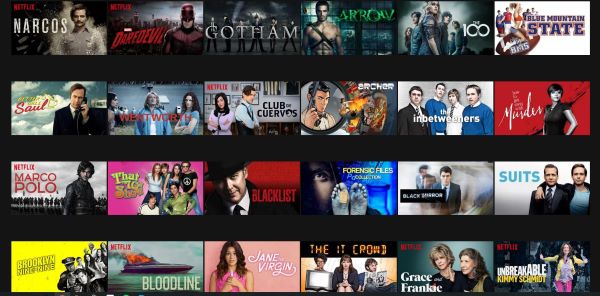
    AI-powered personalization campaigns

    What they did:

    Modern brands are using AI to create thousands of content variations automatically. Netflix’s thumbnail system displays different images based on a user’s viewing history. Spotify’s DJ feature creates personalized radio shows with AI voice commentary about your music taste.

    Why it worked:

    • Individual relevance: Each user sees optimized content
    • Scalability: Impossible to create manually
    • Testing: Continuous optimization through data
    • Engagement: Personalized content increases interaction
    • Retention: Users feel understood and valued

    Do it your way:

    1. Start with one variable (headline, image, or CTA)
    2. Create rules-based variations before full AI
    3. Test with small segments first
    4. Measure engagement differences carefully
    5. Expand gradually to more personalization
    6. Maintain brand consistency across variations

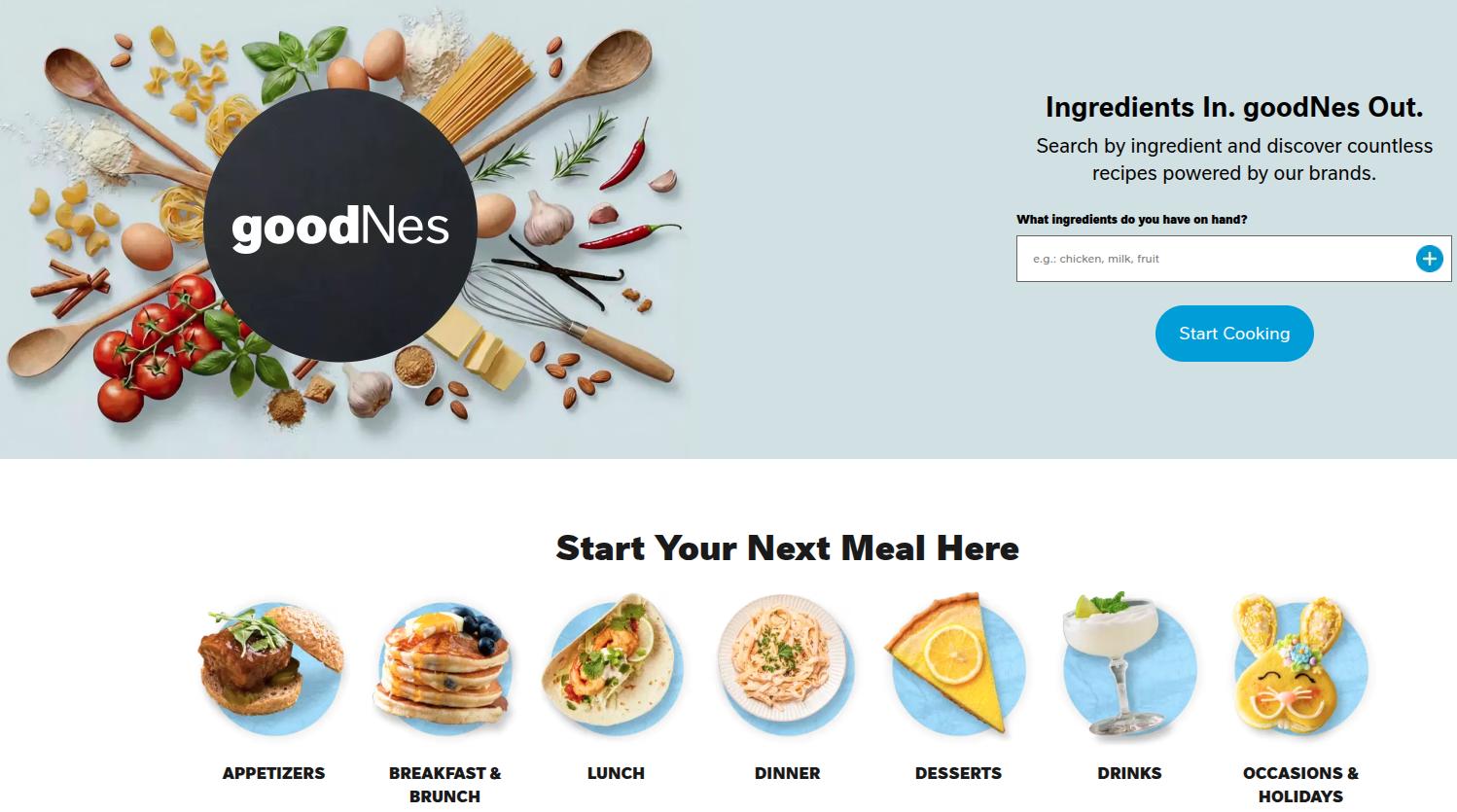
    23. Voice-activated interactive content: The Hands-free future

    What they did:  

    Brands are creating voice-first experiences for smart speakers and voice assistants. Nestle’s GoodNes offers cooking guidance through Sayla Thompson. Users can ask questions while cooking and receive step-by-step instructions without needing to touch a screen.

    Why it worked:

    • Convenience: Hands-free during activities
    • Accessibility: Inclusive for various abilities
    • Novelty: Early adopters love new formats
    • Utility: Solved real problems (messy hands while cooking)
    • Data collection: Learned actual user questions and needs

    Do it your way:

    1. Identify hands-busy moments in the customer journey
    2. Create voice-first content, not voice-added
    3. Design for conversation, not monologue
    4. Keep interactions short and purposeful
    5. Provide visual fallbacks when needed
    6. Test with real users in real contexts

    Conclusion

    These 23 best content marketing examples prove one thing: successful content marketing in 2025 isn’t about creating more content. Instead, it’s about creating content that matters.

    If Backlinko’s evolution inspires you, HubSpot’s educational empire, or LinkedIn’s gaming strategy, the key principles remain the same:

    • Solve real problems for your audience
    • Be consistent in your publishing
    • Measure everything and optimize based on data
    • Don’t be afraid to try new formats
    • Focus on building trust before driving sales

    The digital marketing content examples we’ve explored demonstrate that every business, whether B2B or B2C, large or small, can create content that resonates with its target audience. 

    Also read: B2B content marketing guide.

    You don’t need Reddit’s budget or Apple’s brand power. You need to understand your audience, consistently deliver value, and evolve based on what works.

    Frequently asked questions

    What are the best B2B content marketing examples?

    Top B2B examples include 
    – McKinsey’s case studies, which have shown 40% cost reductions; 
    – LinkedIn’s “95-5 Rule” research, which changed industry thinking;
    – IBM’s white papers, which generate over 50,000 leads annually.
    – HubSpot’s educational blog, featuring free templates.
    – Drift’s daily newsletter, which achieves 47% open rates.

    How do I start content marketing with no budget?

    Start with free platforms like Medium or LinkedIn. You can also create user-generated content campaigns using branded hashtags. To keep costs low, try free tools such as Contentpen’s basic plan. Repurpose your existing content into new formats so you get more use out of it. Finally, focus on one content type until you master it, and then expand into others.

    What are interactive content marketing examples?

    Interactive content examples include:
    – HubSpot’s Website Grader (analyzed 4M sites, generated 500K leads)
    – Mortgage calculators (12,000 qualified leads)
    – NYT’s Wordle (31M monthly users)
    – LinkedIn’s professional games (80M plays)
    – AI-powered personalization like Netflix’s dynamic thumbnails.

  • What is blogging? The ultimate guide

    What is blogging? The ultimate guide

    Should I start my own blog? Is blogging dead? Can I get paid for blogging? What does blogging even mean in this age of AI? 

    These are some of the most common questions associated with blogging, and we’ll be answering all of them in detail to understand what blogging is.

    Blogging has changed a lot over the years, from simple online diaries to powerful business tools that can transform careers, build communities, and generate substantial income. So, it is common for many people to ask what is a blog or what is blogging and how does it works. These are the core questions that we’ll be discussing in detail in this article. 

    What is blogging?

    Blogging is the practice of creating, publishing, and maintaining a blog, which is a regularly updated website or web page that features content in reverse chronological order. Originally derived from “weblog,” blogging has become one of the most popular forms of content creation on the internet.

    At its core, blogging involves sharing information, opinions, experiences, or expertise through written content, images, videos, and other multimedia elements. 

    It’s a dynamic form of communication that allows individuals and businesses to connect with their audience, share valuable insights, and establish authority in their respective fields.

    If you are new to blogging or looking for inspiration, checking out real blog examples can help a lot. Blog post examples show how successful blogs structure their content, write headlines, and engage readers.

    What is a blog?

    A blog is a type of website that displays content in a chronological format, with the most recent posts appearing first. Unlike static websites, blogs are dynamic and regularly updated with fresh content. Each piece of content on a blog is called a “post” or “article.”

    Key characteristics of a blog include:

    • Reverse chronological order: Newest content appears at the top
    • Regular updates: Fresh content is published consistently
    • Interactive elements: Comments, social sharing, and engagement features
    • Archive system: Past posts are organized by date, category, or tags
    • RSS feeds: Allow readers to subscribe to updates
    • Personal or editorial voice: Content reflects the blogger’s personality or brand

    Blogs can range from simple personal journals to sophisticated business publications. They can be standalone websites or sections within larger websites. The format and design may vary, but the fundamental structure of time-stamped, regularly updated content remains consistent across all blog types.

    Key components of blogging

    Let’s look at the key components of blogging to understand how blogging actually works:

    • Content management systems (CMS): Most blogs run on platforms like WordPress, Blogger, or specialized blogging software. These systems provide the framework to create, edit, and publish content without requiring extensive technical knowledge.
    • Hosting and domain: Your blog needs a place to live online (hosting) and an address where people can find it (domain name). Some platforms offer free hosting with several limitations, so bloggers typically have to purchase hosting from reputable companies like Hostinger, GoDaddy, or Bluehost. 
    • Content creation workflow: Successful blogging follows a structured approach that includes brainstorming topics and conducting research to writing, editing, and optimizing content for search engines. Using tools for SEO-rich blog content can significantly streamline this process.
    • SEO and visibility: Blogs gain readers through search engines, social media, and direct traffic. SEO has now become a critical part of blogging, as following the SEO best practices, such as an on-page SEO checklist, helps your content reach the right audience.
    • Community building: Successful blogs foster communities through comments, social media engagement, email newsletters, and interactive content. This two-way communication distinguishes blogs from traditional media.

    Related: What is content marketing? A complete guide

    Now that you know about what blogging is and its key components, let’s go through the 8 steps of blogging in detail:

    How does blogging work? 8 simple steps

    Some people, especially beginners, might assume that blogging is only about writing a piece of content. Well, that might have been true long before things like search engine optimization (SEO) and AI overviews became essential parts of logging. 

    Modern-day blogging involves having a strategic plan and following certain steps to create a successful online presence. 

    Let’s discuss all these key steps one by one:

    Step 1: Choosing a purpose & niche

    First, you need to establish a clear purpose for blogging and identify your niche. This foundational step will guide every decision you make throughout your blogging journey.

    Choosing a purpose & niche

    This step involves:

    • Defining your purpose: Ask yourself why you want to blog. Are you looking to share your expertise, build a personal brand, generate income, or simply express your creativity? 
    • Identifying your niche: A niche is a specific topic or area of focus for your blog. Successful blogs often target specific audiences with particular interests or needs. Consider your expertise, passions, and the market demand when choosing your niche.
    • Market research: Before committing to a niche, research your potential competition and audience. Look for gaps in existing content that you could fill with your unique perspective. Tools like Google Trends and keyword research tools can provide useful information about the market trends and demand.
    • Unique value proposition: Determine what makes your blog different from others in your niche. This could be your personal experience, teaching style, visual approach, or specific angle on common topics. 

    Step 2: Setting up the blog

    Once you’ve defined your purpose and niche, it’s time to set up your blog. This technical phase involves several important decisions that will impact your blog’s functionality, appearance, and growth potential.

    Setting up the blog
    • Choose a platform: Select a blogging platform that aligns with your goals and technical comfort level. WordPress.org offers the most flexibility and control but requires more technical knowledge. WordPress.com, Blogger, and other hosted platforms are more beginner-friendly.
    • Domain name selection: Your domain name should be memorable, relevant to your niche, and easy to spell. Avoid hyphens, numbers, and overly complex words. If possible, secure a .com extension as it’s the most trusted and recognized. You can use a free domain or business name generator tool to get interesting ideas.
    • Hosting provider: Choose a reliable hosting provider that offers good performance, customer support, and scalability. Consider factors like loading speed, uptime guarantees, and backup services. 
    • Design and theme: Select a theme that reflects your brand and provides a good user experience. Prioritize mobile responsiveness, fast loading times, and clean design over flashy features. 
    • Essential plugins and tools: Install necessary plugins for SEO, security, backup, and performance optimization. Popular choices include Yoast SEO for search engine optimization, security plugins like Wordfence, and caching plugins to improve site speed.
    • Basic pages setup: Create essential pages like About, Contact, Privacy Policy, and Terms of Service. These pages build trust with visitors and may be required for certain monetization methods or legal compliance.

    Step 3: Create engaging content

    Content creation is the heart of blogging. This is where you transform your ideas into valuable, engaging posts that attract and retain readers. Developing an efficient content creation process is crucial for long-term success.

    Sure, you can write engaging content and optimize it manually. But when it comes to running a blog with consistent output, you should utilize all available tools and technologies like AI to create, optimize, and publish your content. 

    Contentpen is one such AI blog writer online you can use to manage every aspect of your content creation process. Here’s how!

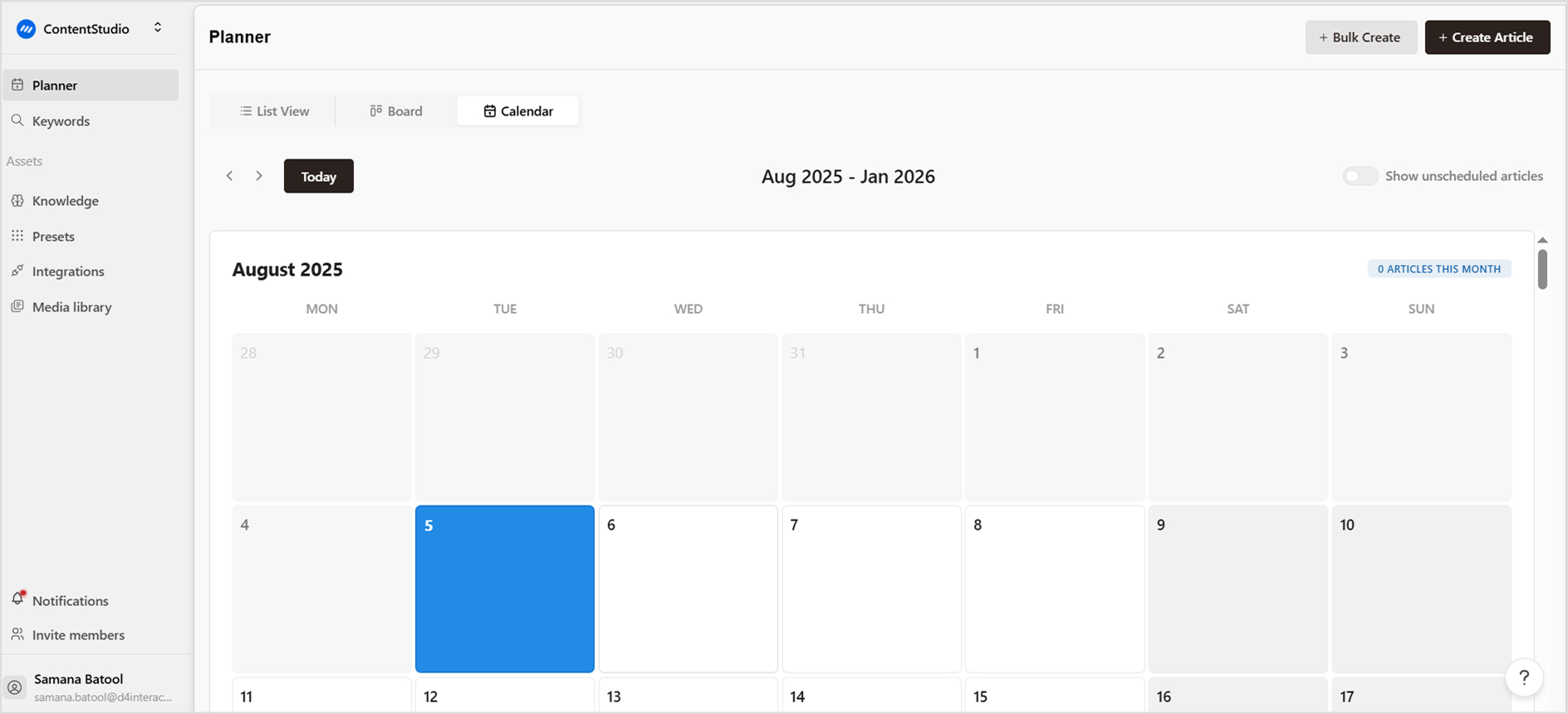
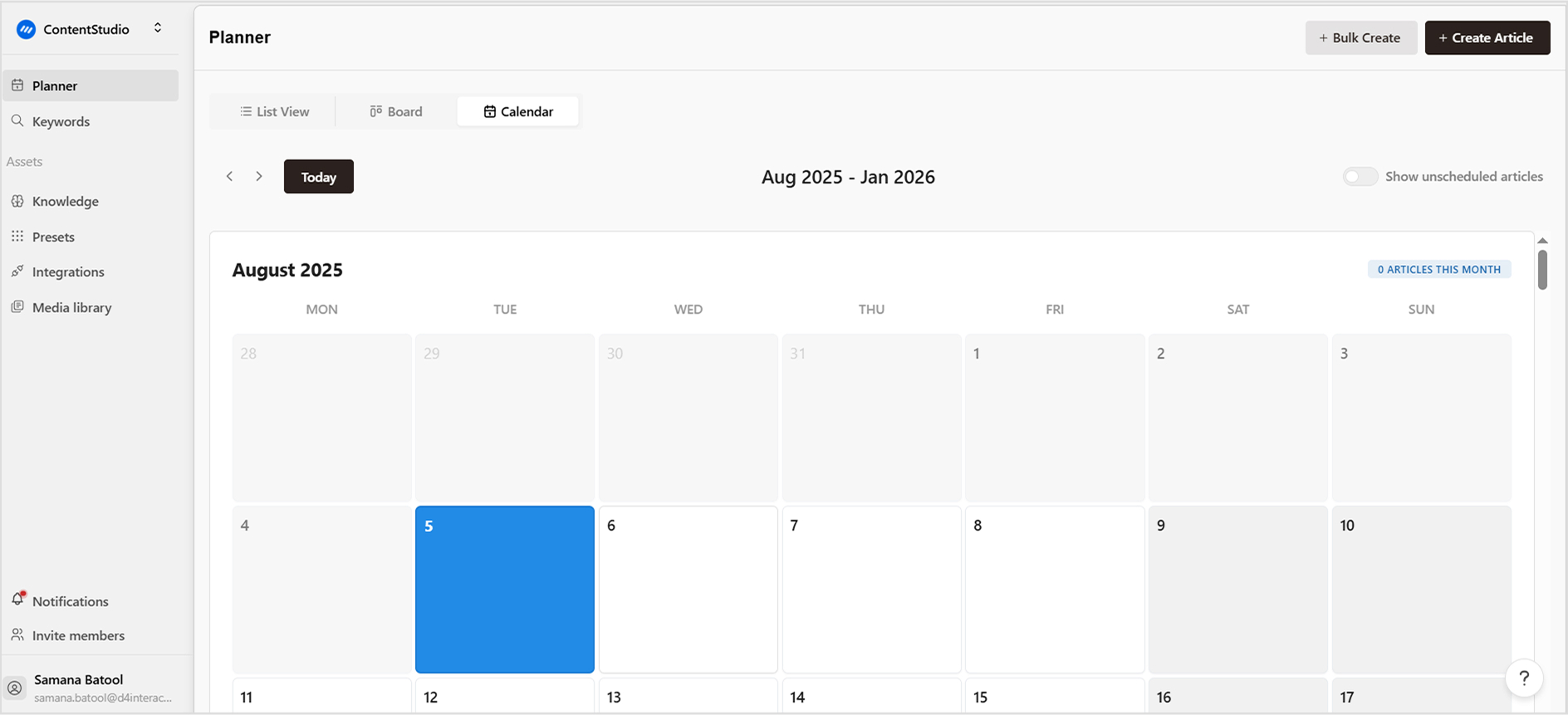
    • Content planning: Develop a content marketing strategy that aligns with your goals and audience needs. Create an editorial calendar to plan topics, keywords, and publishing schedules. This helps maintain consistency and ensures you’re covering relevant topics throughout the year. You can easily create a planner in Contentpen:
    built-in content calendar
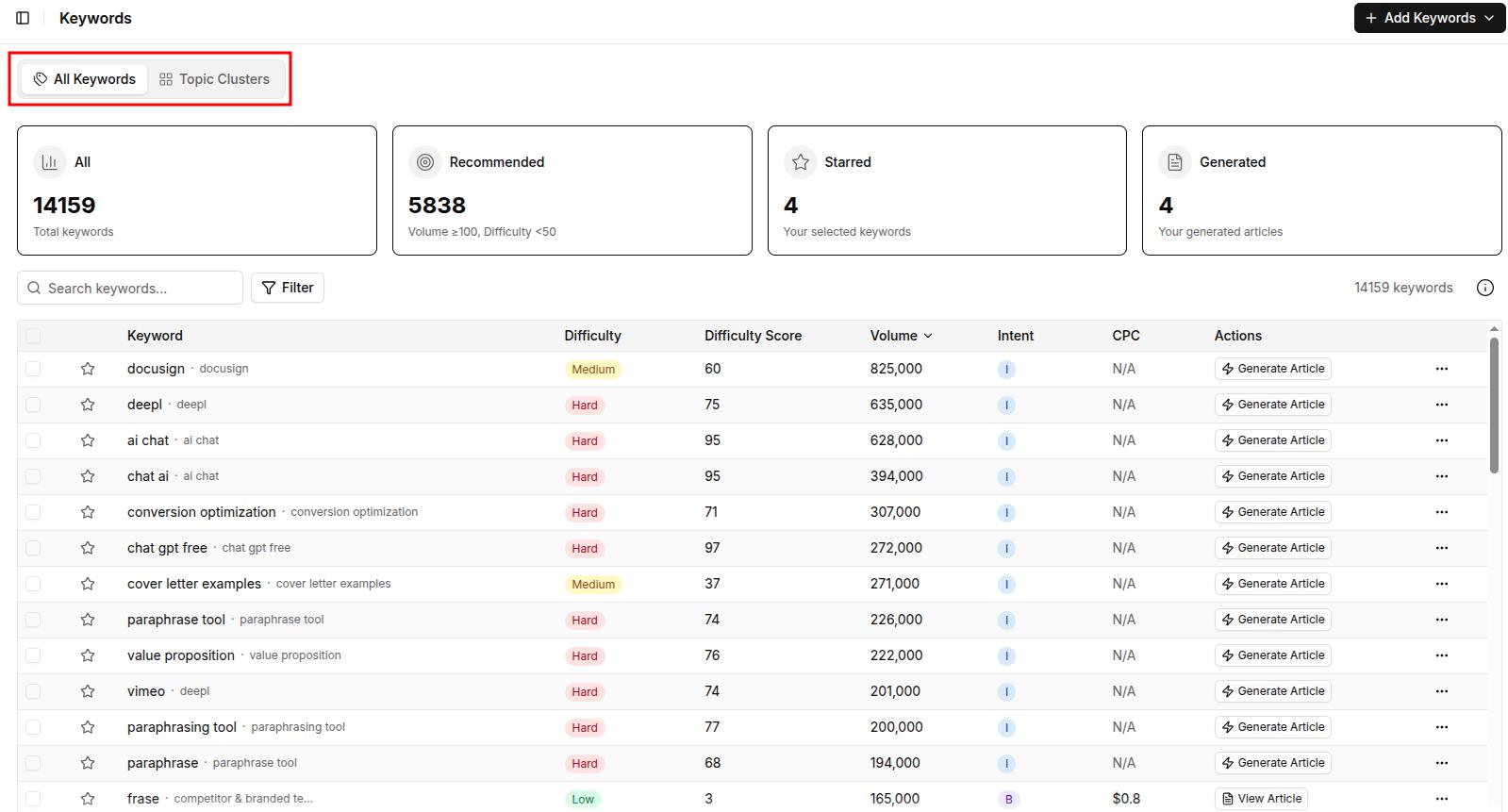
    • Research and ideation: Stay informed about trends in your niche and regularly brainstorm new content ideas. Use keyword research tools to identify topics your audience is searching for.  
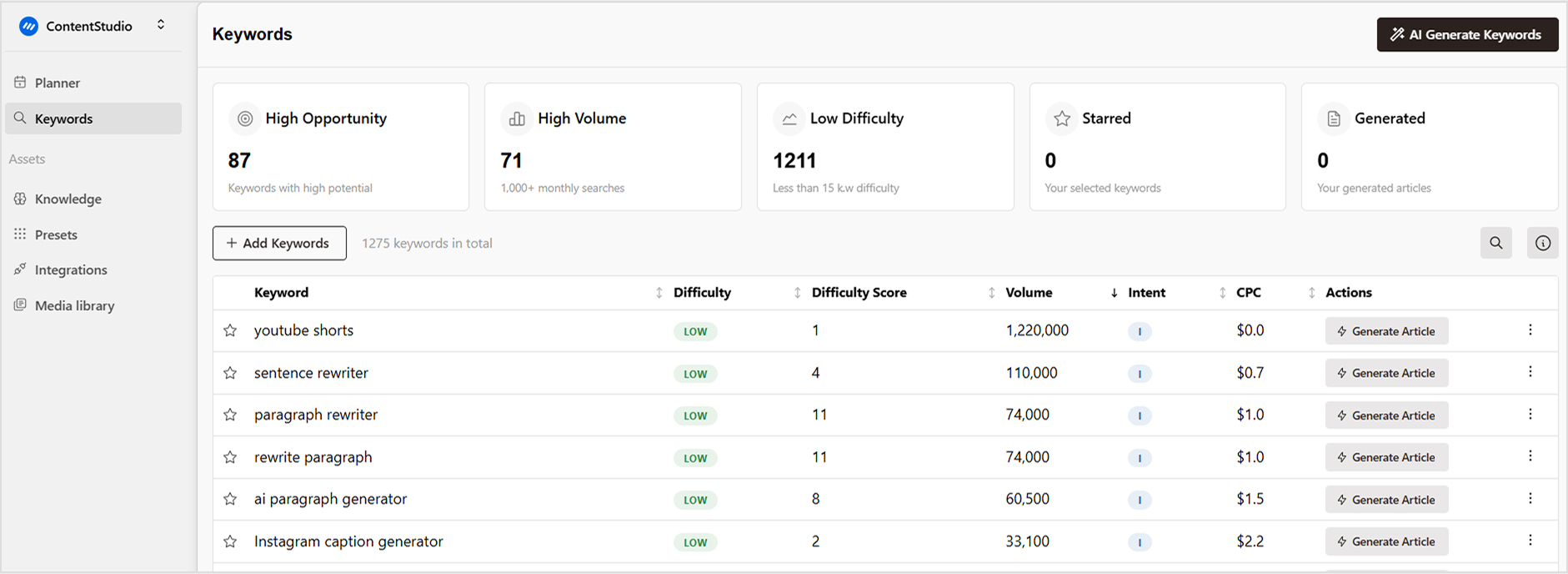
    Smart keyword suggestions
    • Writing process: Develop a systematic approach to writing. Start with an outline to organize your thoughts, then write your first draft, focusing on getting ideas down without worrying about perfection. 
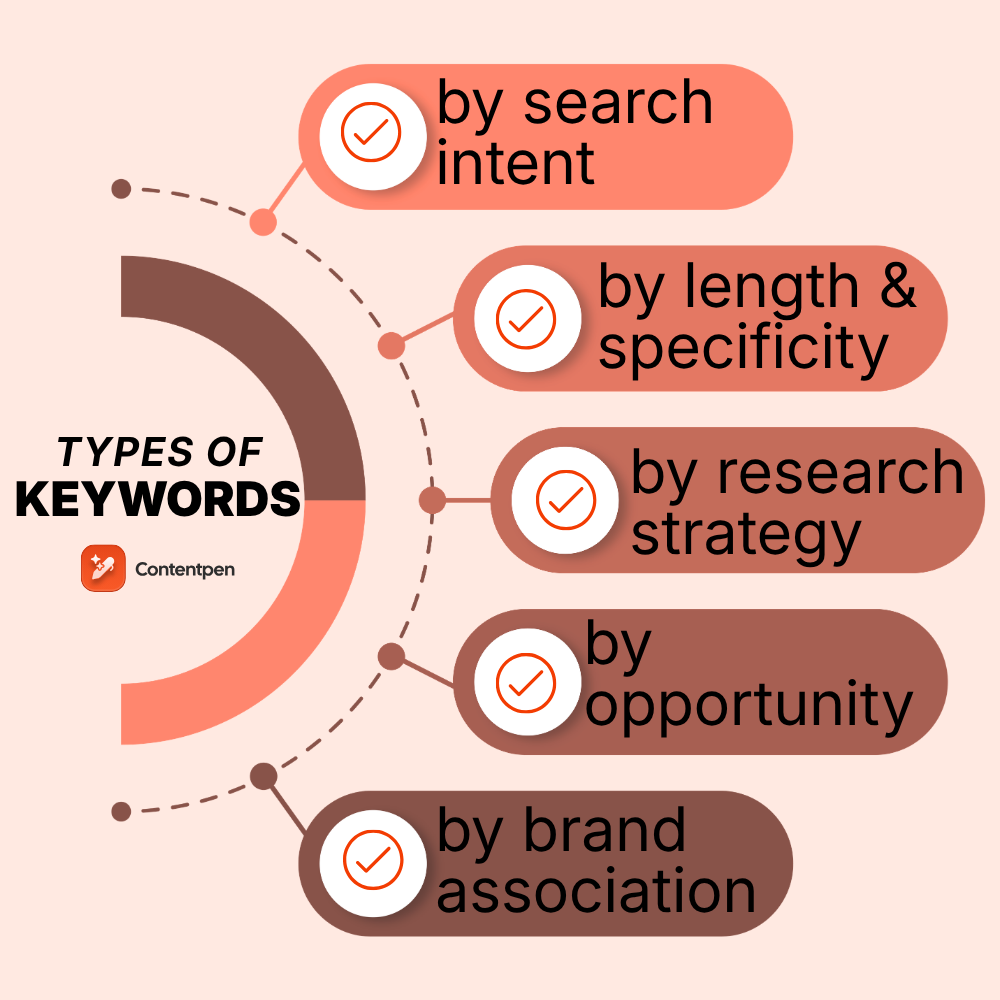
    • SEO optimization: Use the right type of keywords and implement SEO best practices to help your content rank in search engines. This includes optimizing titles, meta descriptions, headings, and incorporating relevant keywords naturally throughout your content.
    Seo optimization
    • Visual elements: Enhance your posts with images, infographics, videos, or other visual elements. Visual content improves engagement and helps break up text-heavy posts. 
    • Editing and proofreading: Never publish your first draft. Take time to edit for clarity, grammar, and flow. Consider reading your content aloud or using tools like Grammarly to catch errors you might miss during silent reading. You can also edit your content within Contentpen before directly publishing it to your connected blog. 
    Refine and finalize your blog post

    Step 4: Publish your optimized content

    Publishing your content effectively involves more than simply hitting the “publish” button. This step requires attention to timing, formatting, and final optimizations to maximize your content’s impact.

    publish your optimized content
    • Optimal publishing times: Research when your audience is most active online and schedule your posts accordingly. While general best practices suggest certain days and times perform better, your specific audience may have different patterns. 
    • Categories and tags: Properly categorize and tag your content to help readers find related posts and improve site navigation. Use categories for broad topics and tags for specific details. Avoid creating too many categories or using irrelevant tags
    • Final SEO check: Before publishing, review your SEO elements, including title tags, meta descriptions, alt text for images, and internal/external links. Ensure your content follows proper blog formatting guidelines for better readability and SEO performance.

    Step 5: Promote and distribute your blogs

    Creating great content is only half the battle, as you need to actively promote your blog posts to reach your intended audience. Some of the effective promotion strategies include:

    • Social media marketing: Share your content across relevant social media platforms where your audience spends time. Each platform requires a different approach, such as LinkedIn for professional content, Instagram for visual posts, and X for quick updates.
    social media marketing
    • Email marketing: Build and nurture an email list by offering valuable content upgrades, newsletters, or exclusive content. Email marketing consistently delivers higher engagement and conversion rates compared to social media promotion.
    • Guest posting: Write guest posts for other blogs in your niche to expand your reach and build backlinks to your site. This strategy helps you tap into established audiences and improve your blog’s SEO through quality backlinks.
    • Influencer outreach: Connect with influencers and other bloggers in your niche. Building relationships can lead to collaboration opportunities, shares, and mentions that expose your content to new audiences.
    • Content repurposing: Transform your blog posts into different formats like videos, podcasts, infographics, or social media carousels. This allows you to reach different audience preferences and extend your content’s lifespan across multiple channels.

    Step 6: Engage your audience

    Building an engaged community around your blog is essential for long-term success. Engaged readers are more likely to return, share your content, and eventually become customers if you’re monetizing your blog.

    Here’s how you can improve audience engagement:

    • Respond to comments: Actively respond to comments on your blog posts. This shows readers that you value their input and encourages further discussion. 
    • Create interactive content: Incorporate polls, quizzes, surveys, and questions in your posts to encourage reader participation. Interactive content generates higher engagement rates.
    • Ensure consistent communication: Maintain regular communication with your audience through multiple channels. This includes consistent blogging schedules, regular email newsletters, and an active social media presence. 
    User generated content
    • User-generated content: Encourage your readers to create content related to your blog or niche. This could include sharing their own experiences, photos, or stories related to your content topics.
    • Feedback implementation: Actively seek and implement feedback from your audience. Conduct surveys, ask for post suggestions, and pay attention to comments and messages. 

    Step 7: Use analytics for consistent growth

    Sustainable blog growth requires consistent effort and strategic thinking. This phase focuses on scaling your content creation, expanding your reach, and building systems that support long-term success.

    Use analytics for conistent growth
    • Analytics and optimization: Regularly review your blog analytics to understand what content performs best, where your traffic comes from, and how visitors behave on your site. 
    • Content consistency: Establish a realistic publishing schedule and stick to it. Whether you post daily, weekly, or monthly, consistency helps build audience expectations and improves your search engine rankings. 
    • Scaling content production: As your blog grows, consider ways to increase content production without sacrificing quality. This might involve using AI for content creation, hiring freelance writers, or creating content in batches during dedicated writing sessions.
    • SEO improvements: Continuously work on improving your blog’s search engine optimization. This includes updating old posts with new information, improving internal linking structures, and targeting new keywords as you identify opportunities.
    • Networking and collaboration: Build relationships with other bloggers, industry experts, and potential collaborators. This can extend beyond online interactions into events, meetups, and conferences, where sharing quick access points like portfolio links, social profiles, or a Uniqode Digital Business Card helps streamline contact exchange and keeps follow-ups frictionless.
    • Diversifying content types: Experiment with different content formats to appeal to various learning styles and preferences. This might include video content, podcasts, infographics, or interactive tools related to your niche.

    Step 8: Monetize your blog

    Once you’ve established a consistent readership and built trust with your audience, you can explore various monetization strategies to generate income from your blogging efforts.

    Monetize your blog
    • Advertising revenue: Display ads through platforms like Google AdSense or direct partnerships with relevant brands. While this is often the first monetization method bloggers consider, it typically requires substantial traffic to generate significant income.
    • Affiliate marketing: Promote products or services relevant to your niche and earn commissions on sales generated through your unique affiliate links. Success in affiliate marketing depends on building trust with your audience.
    • Digital products: Create and sell digital products like e-books, online courses, templates, or tools. Digital products often have higher profit margins than physical products and can be sold repeatedly without additional production costs.
    • Sponsored content: Partner with brands to create sponsored posts or reviews. Maintain transparency with your audience by clearly disclosing sponsored relationships, and only work with brands that align with your values and audience interests.
    • Services and consulting: Offer services related to your expertise, such as consulting, coaching, or freelance work. Your blog serves as a portfolio and lead generation tool for your professional services.
    • Membership or subscription models: Create premium content areas, exclusive communities, or subscription-based content for dedicated followers willing to pay for additional value.

    Pros and cons of blogging

    Understanding both the advantages and challenges of blogging helps set realistic expectations and prepare for the journey ahead.

    The following table summarizes the pros and cons of blogging:

    Pros of bloggingCons of blogging
    Starting a blog requires minimal investment compared to traditional businessesRequires significant time investment with slow initial returns
    Complete control over your content, design, and business directionRevenue can be unpredictable, especially early on
    Work from anywhere at any time that suits your lifestyleSaturated markets make it hard to stand out
    Improves writing, marketing, SEO, and technical skillsRequires learning optimization and maintenance skills
    Connects you with like-minded individuals and industry professionalsConstant demand for fresh, valuable content
    Establishes you as an authority in your nicheSearch engine changes can disrupt traffic
    Various monetization options provide income diversificationPressure to stay consistent may cause creative fatigue
    Starting a blog requires minimal investment compared to traditional businessesRequires significant time investment with slow initial returns
    Potential to impact and influence people worldwide
    Blogs can continue generating traffic and income for years
    Unlike social media, your blog is fully yours

    Free blogging platforms

    If you are a complete beginner, you might not want to invest too much into blogging. Therefore, users looking to start blogging without any initial investment can explore several free platforms that offer robust features and user-friendly interfaces, such as:

    WordPress

    WordPress.com is the hosted version of WordPress. It offers a balance between ease of use and functionality. Moreover, it has professional themes, basic customization options, and reliable hosting. 

    Wordpress

    While the free plan includes WordPress branding and limited customization, it’s an excellent starting point for new bloggers who want room to grow.

    Blogger

    Google’s blogging platform integrates easily with other Google services and offers unlimited storage and bandwidth. It’s particularly user-friendly for beginners and provides reliable hosting backed by Google’s infrastructure. 

    Blogger

    However, it has limited design flexibility and fewer advanced features compared to other platforms.

    Medium

    Medium platform focuses on writing quality and community engagement rather than technical setup. 

    Medium

    Medium’s built-in audience and clean, distraction-free interface make it ideal for writers who want to focus purely on content creation. The platform handles all technical aspects, though monetization options are limited, and you don’t own your content’s platform.
    Future of blogging

    Blogging continues to evolve rapidly, driven by technological advances and changing consumer preferences. AI is increasingly becoming the future of blog writing services, transforming how content is created, optimized, and distributed.

    Many people often ask, “Is blogging dead?” The answer is a clear no! 

    However, the way to succeed with blogging has changed dramatically. Simply publishing posts is no longer enough, as factors like SEO have become critical to standing out in an increasingly crowded space.

    Moreover, artificial intelligence is at the center of this transformation. AI-powered tools are revolutionizing content creation by helping bloggers research topics faster, optimize posts automatically, and even generate first drafts. 

    Concepts like AIO (Artificial Intelligence Optimization) and Generative Engine Optimization (GEO) are becoming essential, as search engines and AI-driven platforms increasingly determine how content is discovered. Bloggers who adapt to these trends will have a better chance of reaching and engaging audiences in the age of AI.

    At the same time, the human element remains irreplaceable. Readers still crave authentic perspectives, emotional connections, and creative insights that only real human experiences can provide. AI can speed up the writing process, and you can give it a final look with your human touch. 

    Despite these advances, the core principles remain unchanged: successful blogging will always rely on providing value, building trust, and creating authentic connections with readers.

    Conclusion

    Blogging represents one of the most accessible and powerful ways to build an online presence, share your expertise, and create meaningful connections in this digital world. While it has evolved significantly since the early days of simple web logs, the core principles remain unchanged: provide value, stay consistent, and genuinely connect with your audience.

    The key is to start with choosing a suitable blogging platform, a niche that interests you, and writing engaging content to reach your target audience. Ultimately, by following the 8 steps of blogging discussed in this article and using the right blogging tools, such as a unified AI blog writer, you’ll be on the right track to start your blogging journey. 

    Frequently asked questions

    Do bloggers get paid?

    Yes, bloggers can earn money through various methods. This includes advertising, affiliate marketing, sponsored content, selling digital products, offering services, and creating membership programs.

    Can anyone do blogging?

    Absolutely! Blogging is accessible to anyone with internet access and something valuable to share. While success requires learning specific skills like writing, SEO, and marketing, these can be developed over time. 

    What is the 80/20 rule for blogging?

    The 80/20 rule in blogging suggests that 80% of your results come from 20% of your efforts. This often means 20% of your posts generate 80% of your traffic, or 20% of your marketing activities drive 80% of your growth. 

    How long does it take to make money from blogging?

    Most bloggers don’t see significant income for 6-12 months, and substantial income often takes 1-2 years or more. The timeline depends on factors like niche competition, content quality, marketing efforts, and chosen monetization methods.

  • Content marketing strategy – meaning, elements, steps to build

    Content marketing strategy – meaning, elements, steps to build

    Content marketing has evolved into one of the most powerful ways for businesses to attract, engage, and convert their audiences. Yet, many brands still fall into the trap of creating random content without a clear plan. 

    The result? Blog posts and social media updates that don’t connect, drive traffic, or generate revenue.

    A content marketing strategy solves this problem by giving your brand a structured roadmap, one that aligns with business goals, speaks directly to your audience, and ensures every piece of content works harder for growth.

    In this comprehensive guide, we’ll explain what a content marketing strategy is, why it matters in 2026, and how to build one step by step. We’ll also show how Contentpen supercharges the process, helping you scale content marketing without compromising on quality.

    What is a content marketing strategy?

    A content marketing strategy is more than a to-do list of blog topics. It’s the master plan that connects your business objectives to your content efforts. Think of it as a bridge between your brand and your audience.

    At its core, it answers five essential questions:

    1. What content will we create? Blogs, videos, eBooks, infographics, case studies, whitepapers.
    2. Who are we creating it for? Define buyer personas with demographics, goals, and pain points.
    3. Where will we publish it? Website blog, LinkedIn, YouTube, newsletters, and industry forums.
    4. Why are we creating it? Educate, generate leads, nurture trust, boost sales.
    5. How will we measure success? KPIs like organic traffic, lead conversions, bounce rates, and time on page.

    For instance, a SaaS startup offering project management tools shouldn’t just “write about productivity.” Its strategy would target specific personas (like marketing managers or IT leads), publish content that solves their workflow challenges, and measure conversions through free trial sign-ups.

    Also read: B2B content marketing guide.

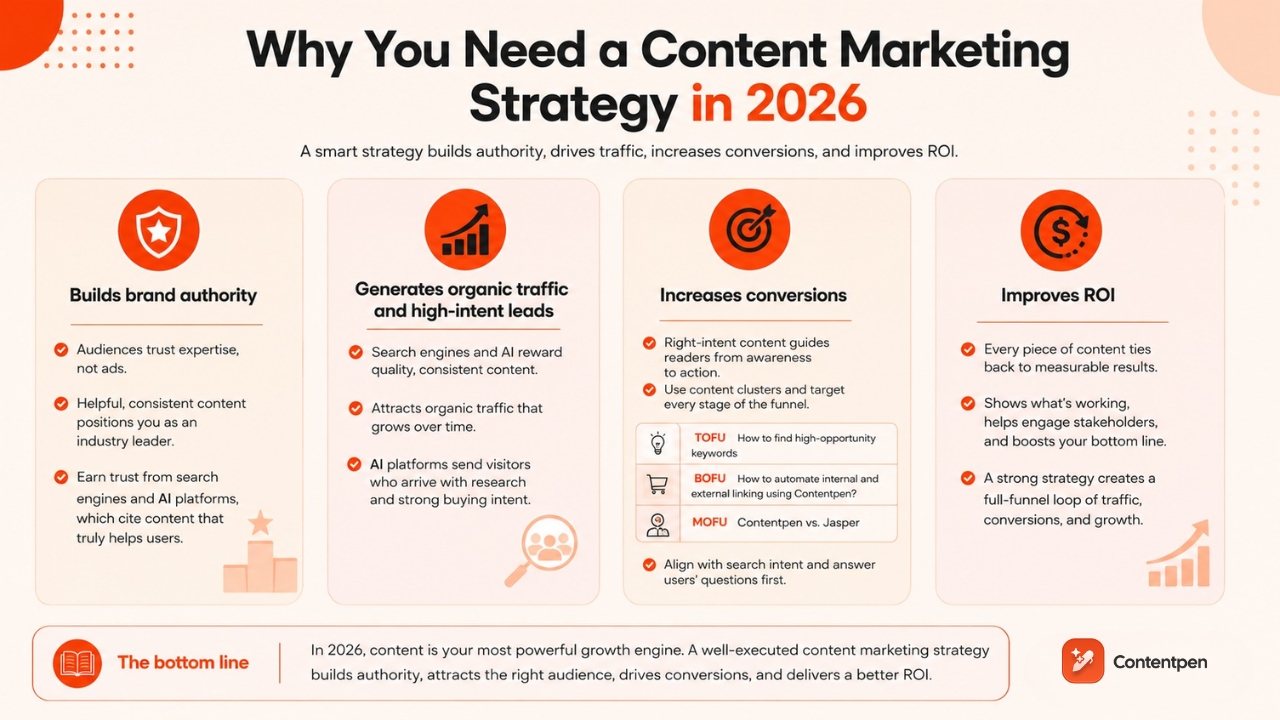
    Why do you need a content marketing strategy in 2026?

    The digital content landscape is crowded, and only those with a structured strategy rise above the noise. 

    Here’s why your brand can’t afford to skip it:

    Build brand authority

    Audiences don’t trust ads; they trust expertise. When your content consistently educates, you position your brand as an industry leader.

    For example, the blog on “Will AI replace writers?” builds authority by tackling a controversial topic with insights that show expertise.

    Generate organic traffic

    Search engines reward quality, consistent content. By targeting the right keywords and publishing regularly, your blogs attract organic traffic that compounds over time. 

    Increase conversions

    Content written with intent guides readers from awareness to action. For instance, the blog about “how to cut blogging time using AI” educates readers about a challenge, then subtly positions Contentpen as the solution, driving conversions without being “salesy.”

    Improve ROI

    Without a strategy, content efforts are scattered. With one, every article, video, or case study ties back to measurable ROI. Pair this with automation, like (how to automate internal and external linking), and you save resources while improving results.

    Also read: 27 best content marketing tools to use in 2026.

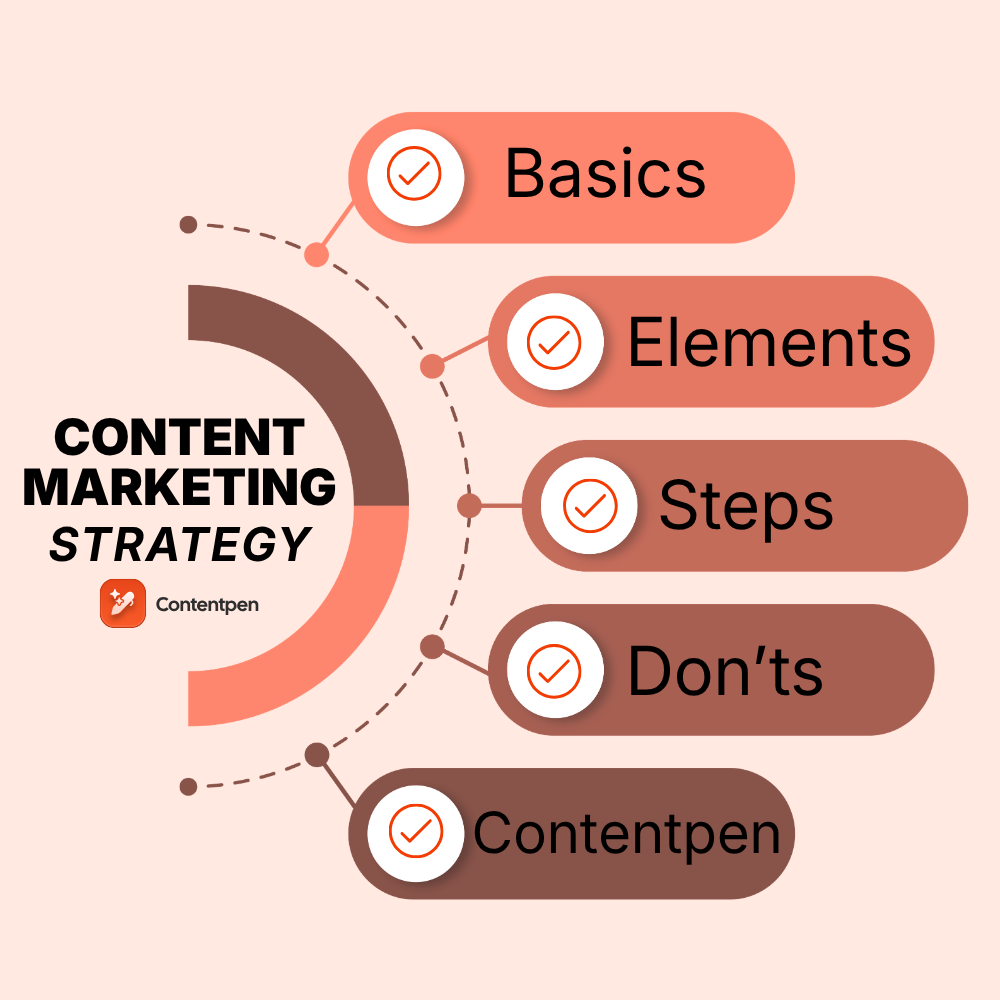
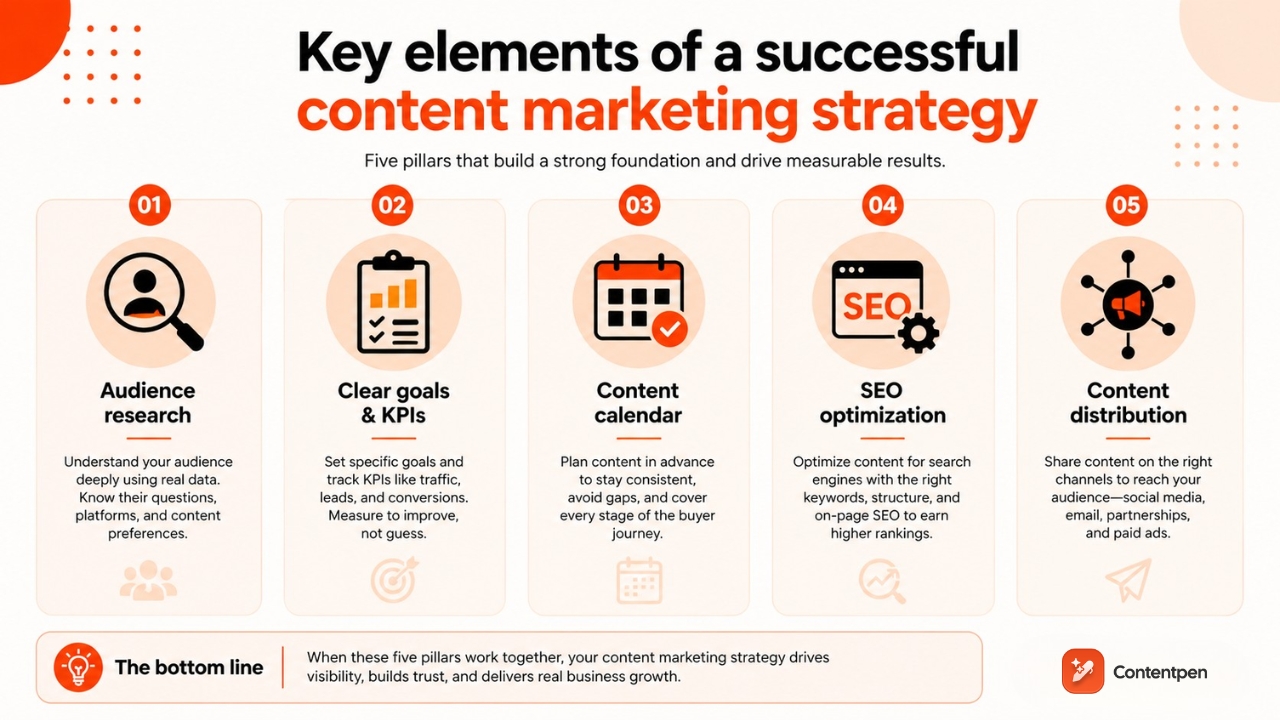
    Key elements of a successful content marketing strategy

    A strategy must be comprehensive yet flexible. The following pillars ensure success:

    Content marketing strategy - contentpen.ai

    Audience research

    The foundation of strategy is knowing your audience inside out. This means building personas based on real data, not assumptions. What questions are they asking? What platforms do they use? And what formats do they prefer?

    Clear goals & KPIs

    If you don’t measure, you can’t improve. Goals like “increase awareness” should be translated into KPIs, traffic, newsletter sign-ups, or demo requests.

    Content calendar

    A calendar brings consistency, avoids duplication, and ensures balanced coverage across buyer journey stages.

    SEO optimization

    SEO is non-negotiable. Using frameworks like the on-page SEO checklist, you ensure blogs are discoverable and rank for target keywords.

    Content distribution

    Publishing is only half the battle. A strategy includes promotion plans: email blasts, LinkedIn posts, influencer collaborations, or syndication.

    Also read: 30 recent innovative marketing examples.

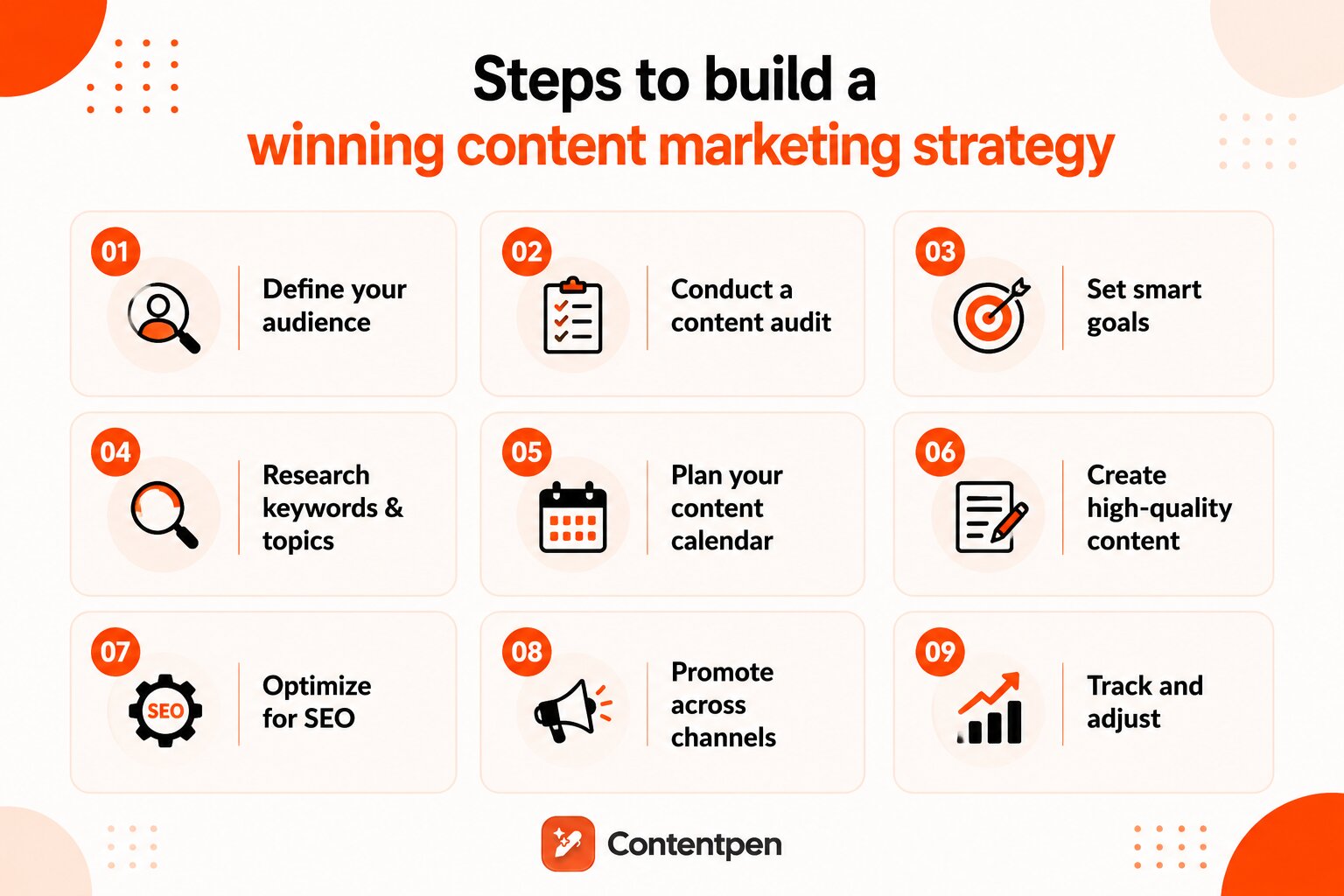
    Steps to build a winning content marketing strategy

    Here’s the proven roadmap for creating a strategy that scales:

    Steps to build a winning content marketing strategy  - contentpen.ai

    Step 1: Define your audience

    Take a closer look using surveys, forums, and analytics. Build personas with clear demographics, pain points, and buying behaviors.

    Step 2: Conduct a content audit

    Review existing assets to identify strengths and gaps. Maybe you already have a strong SEO blog but lack middle-funnel case studies. A post like how to edit AI content could inspire similar improvements.

    Step 3: Set SMART goals

    Be specific: “Grow organic blog traffic by 40% in six months” is actionable and trackable.

    Read more: Marketing fundamentals 101.

    Step 4: Research keywords & topics

    Use SEO tools to identify topics that match buyer intent. Long-tail keywords bring in more qualified traffic. For example, the blog “best AI SEO tools” targets a niche audience actively searching for solutions.

    Step 5: Plan your content calendar

    Organize content by funnel stage (awareness, consideration, decision). Map formats how-to blogs, videos, or case studies to each stage.

    Step 6: Create high-quality content

    Your content must balance depth with clarity. Avoid fluff, focus on actionable value. Create content that is useful, engaging, and trustworthy for your audience. It should provide real value, be easy to understand, and stand out from competitors.

    Step 7: Optimize for SEO

    Strategically place keywords, optimize images, and interlink. Always connect blogs to related resources, e.g., linking a blog on keyword research to types of keywords.

    Step 8: Promote across channels

    Don’t wait for Google alone. Repurpose blogs into LinkedIn carousels, newsletters, and podcasts.

    Step 9: Track and adjust

    Measure against KPIs. If blogs drive traffic but not conversions, tweak CTAs or add middle-funnel assets like whitepapers.

    Also read: Content marketing examples that drive results in 2025.

    Common content marketing mistakes to avoid

    Even the best businesses make errors when creating content, but the cost of these mistakes is wasted time, money, and missed opportunities. By recognizing them early, you can refine your approach and ensure your content marketing strategy delivers results.

    Publishing content without aligning it to goals

    One of the biggest mistakes is creating content just for the sake of it. Without aligning blog posts, videos, or guides to business objectives, such as lead generation, awareness, or conversions, you risk producing content that doesn’t serve a purpose. 

    Ignoring keyword research

    Many brands still publish blogs without proper keyword targeting. This is like building a store in the desert, no matter how great it looks, no one will find it. 

    Keywords connect your content to what your audience is actually searching for. By skipping this step, you miss out on organic traffic and search visibility. 

    Writing for algorithms instead of humans

    In an attempt to “hack” SEO, some marketers overload their content with keywords, making it unreadable. The result? Search engines may rank it lower, and readers won’t stay on the page. 

    Instead, focus on clarity, storytelling, and problem-solving while integrating keywords naturally. 

    Failing to promote beyond the website

    Publishing content is just the beginning. If you’re not promoting it through social media, email marketing, LinkedIn posts, or newsletters, you’re leaving visibility on the table. 

    Relying solely on organic search means your content may take months to gain traction. 

    Neglecting to refresh or repurpose old content

    Many businesses forget that content isn’t “one and done.” Over time, statistics, tools, and best practices change, leaving your content outdated. 

    Search engines also reward freshness. So, revisiting, updating, and repurposing older blogs can significantly boost rankings. 

    How does Contentpen simplify building a content marketing strategy?

    Crafting a strong content marketing strategy is complex. It requires aligning business goals, audience insights, keyword research, and SEO best practices while keeping content consistent and engaging, which is precisely how content marketing software benefits SMEs looking to scale their digital presence.

    Contentpen simplifies this process tremendously. It combines advanced AI, SEO intelligence, and brand personalization to help businesses design and execute strategies that actually drive results.

    Here’s how it helps:

    AI-powered built-in content calendar 

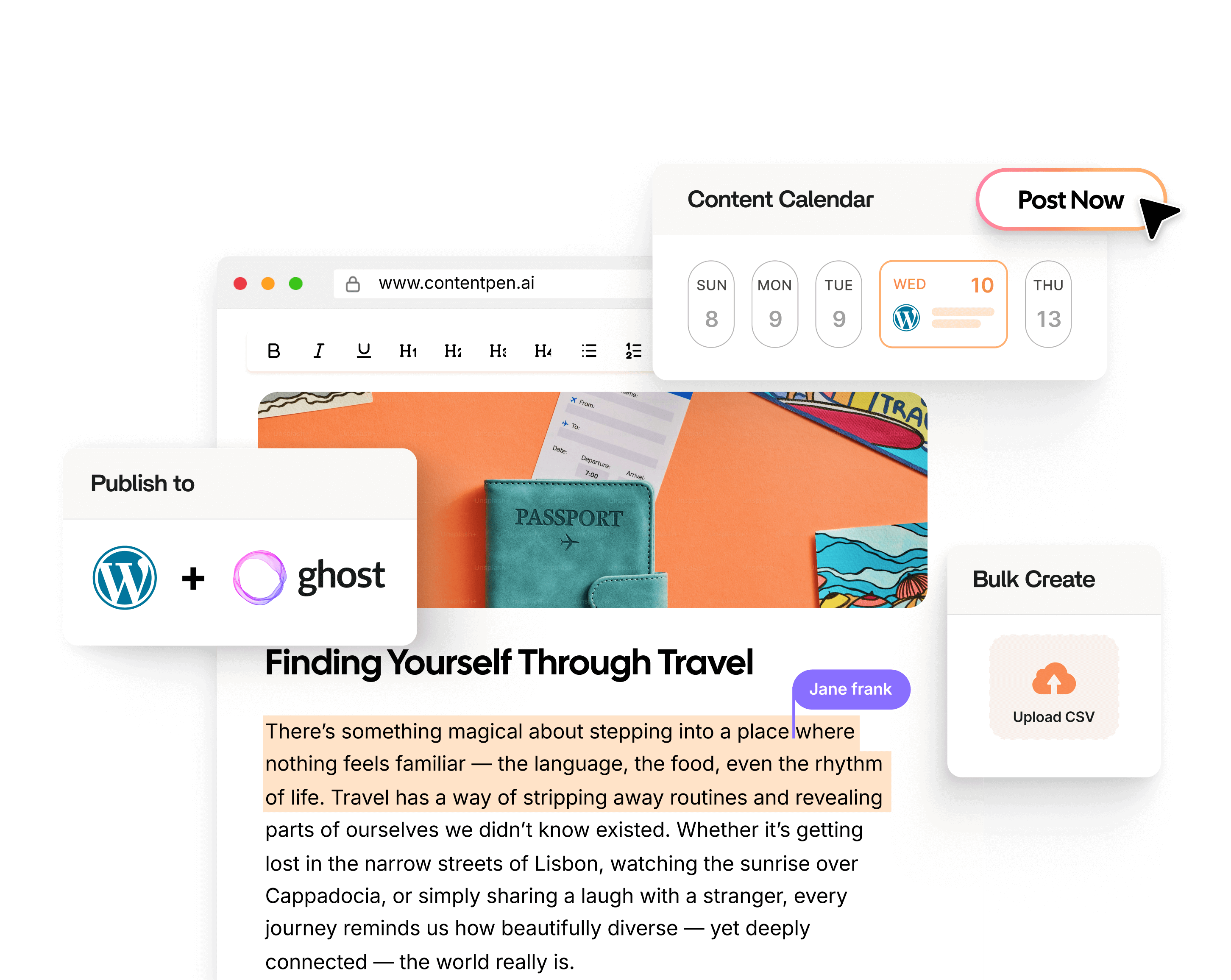
    Contentpen helps you plan and schedule your entire content plan. With integrated calendar features and AI-suggested publishing times, you can keep your content engine running smoothly, without spreadsheets or separate tools.

    built-in content calendar  - contentpen.ai

    AI-powered outlines

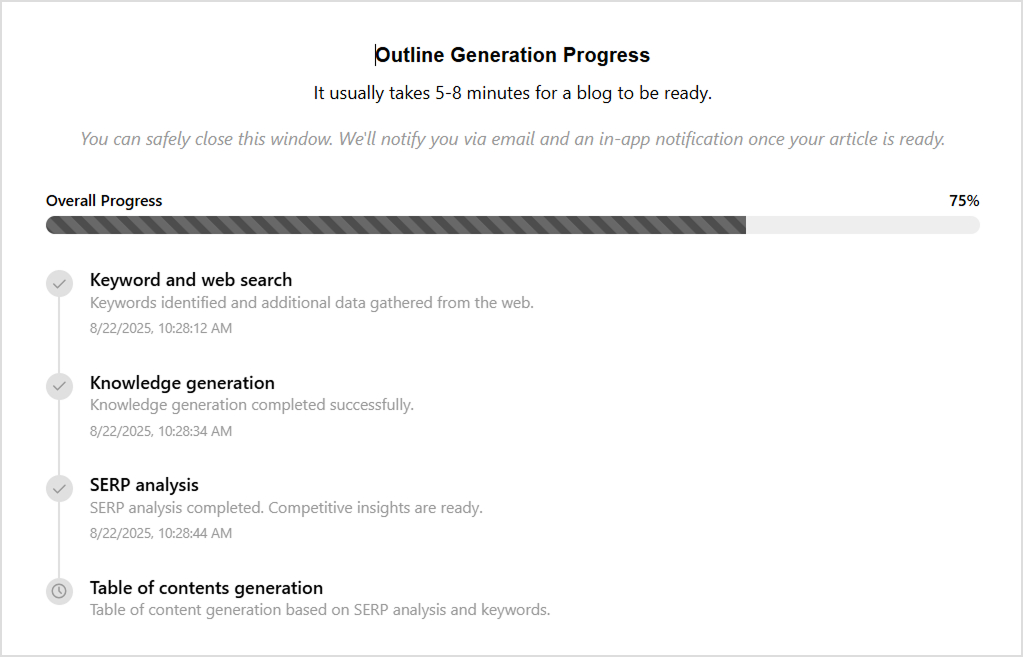
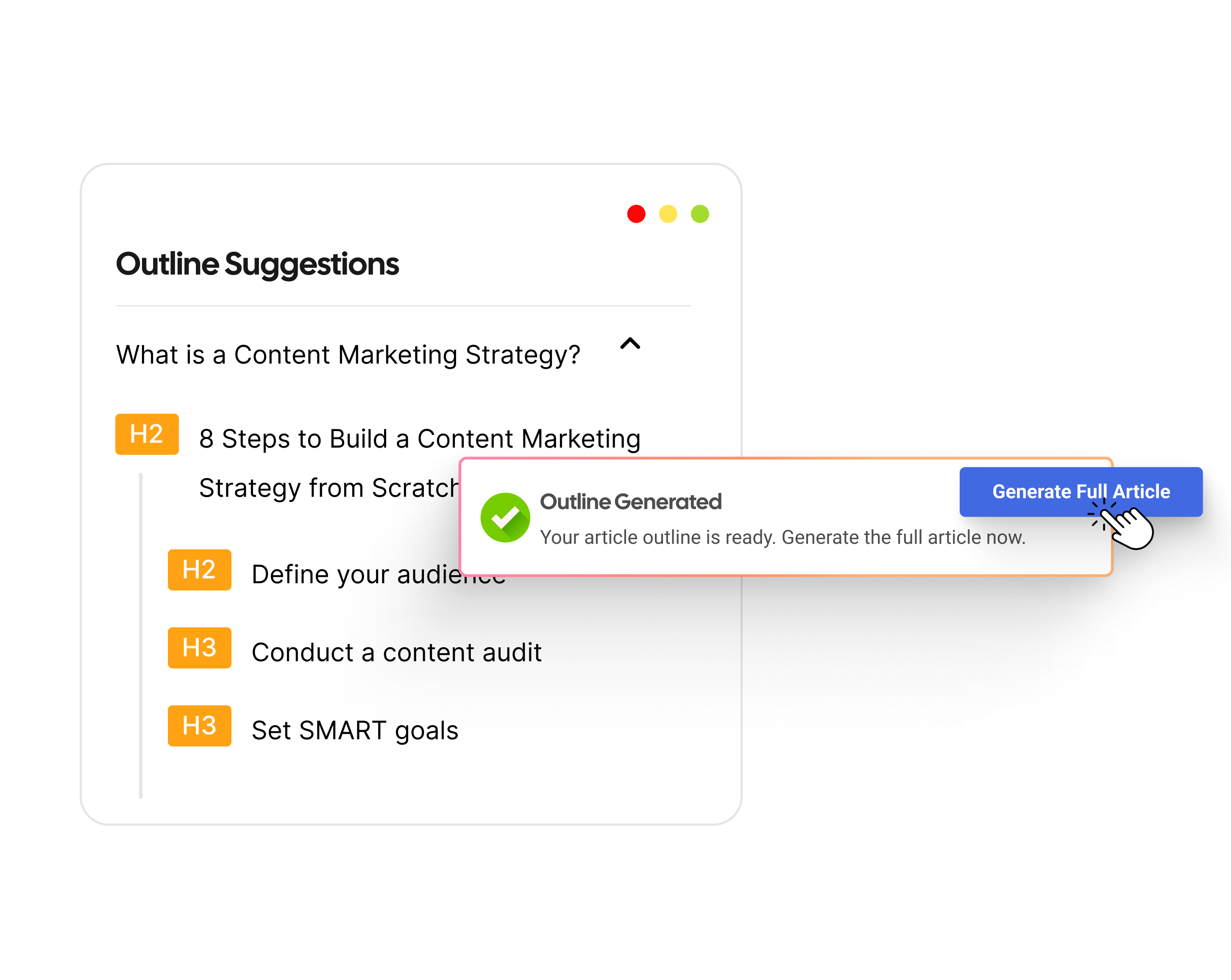
    Instead of starting from scratch, Contentpen generates research-backed outlines tailored to your niche, audience, and goals. 

    Whether you need a thought leadership piece, a product comparison, or an awareness-stage blog, Contentpen has you covered. It structures your content strategy, so every piece fits into the bigger picture.

    Blog outline generation - contentpen.ai

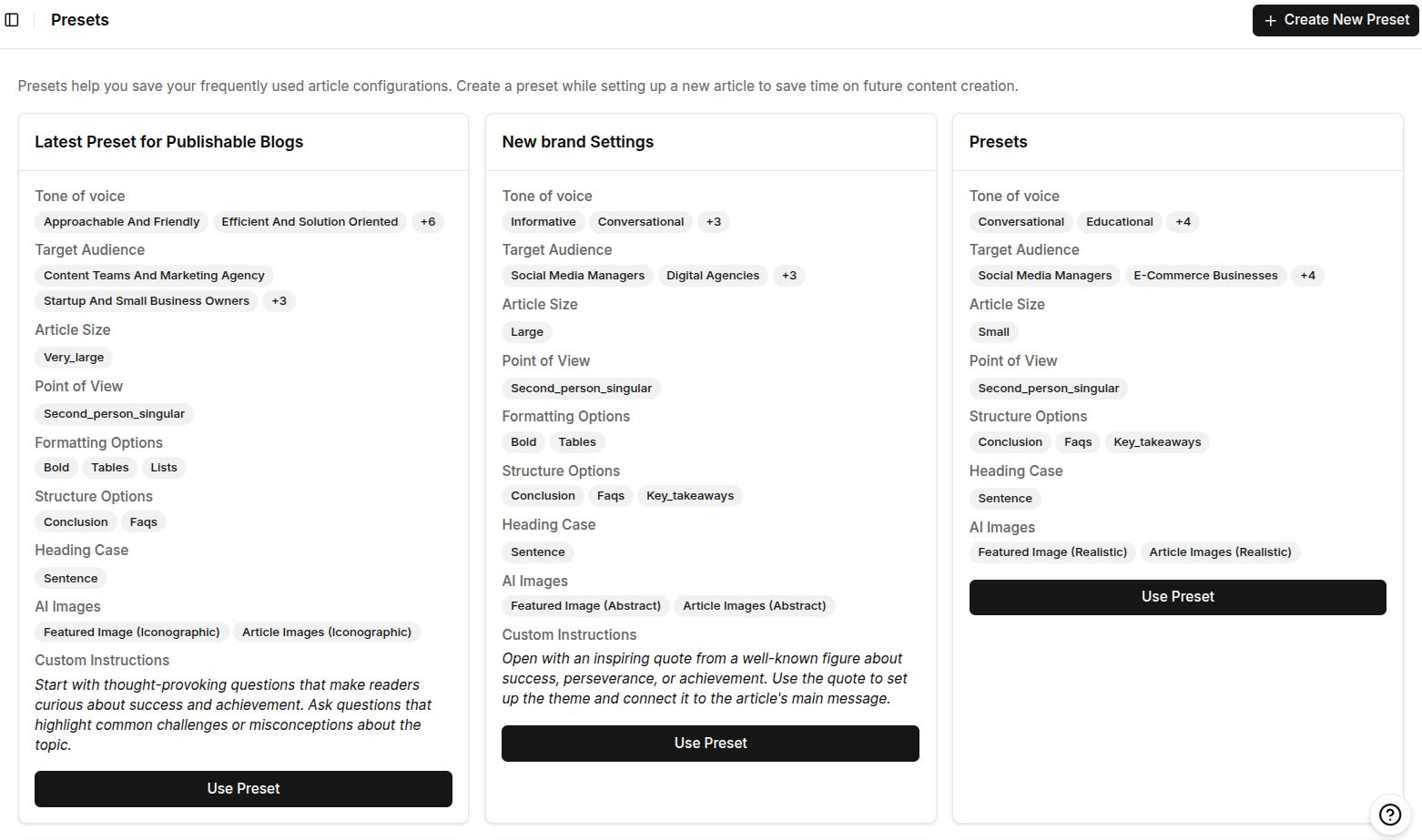
    Customizable presets for strategy-driven content

    Consistency across blogs, case studies, and newsletters is essential for a brand-led content marketing strategy. 

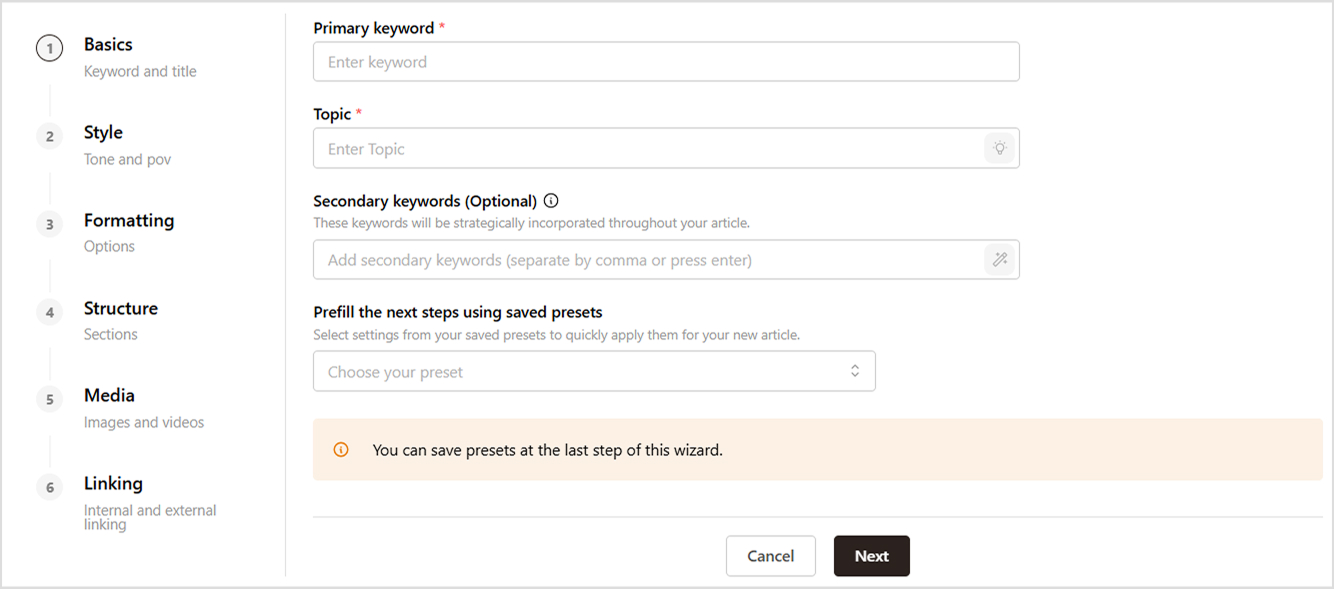
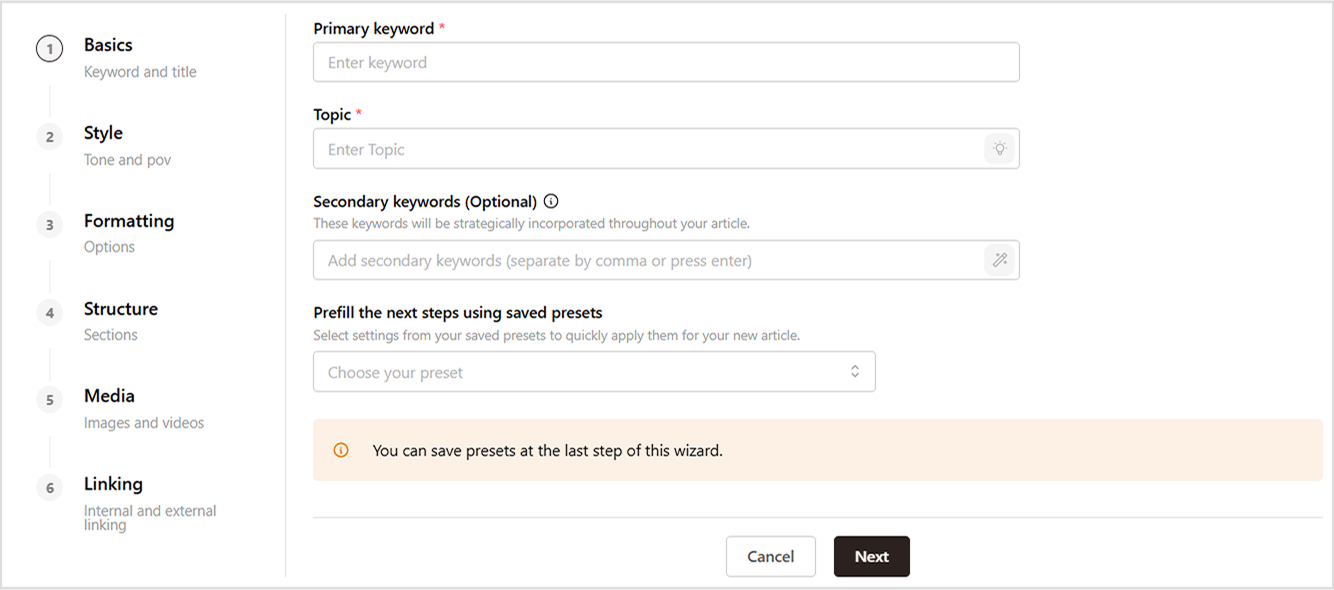
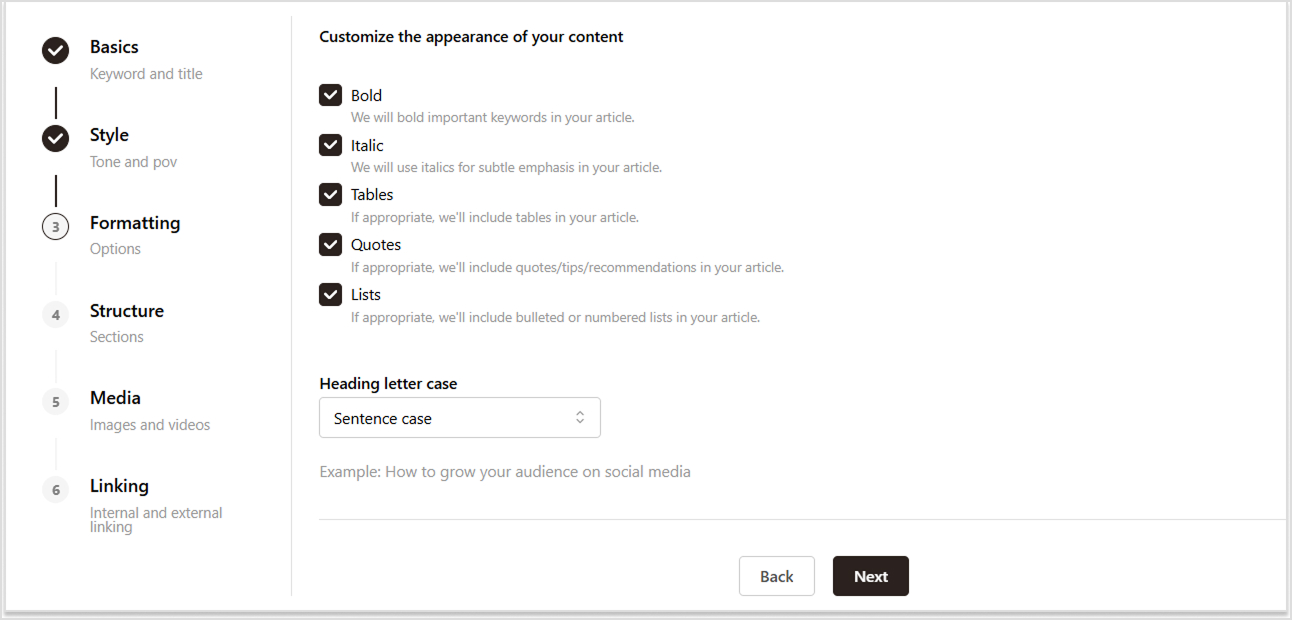
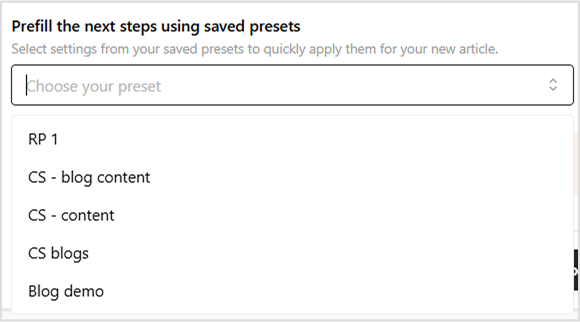
    With Contentpen’s presets, you can set formatting and tone guidelines once and apply them across all content types. From how-to guides and listicles to in-depth strategy explainers, your brand voice stays unified and scalable.

    custom presets - contentpen.ai

    Brand knowledge integration

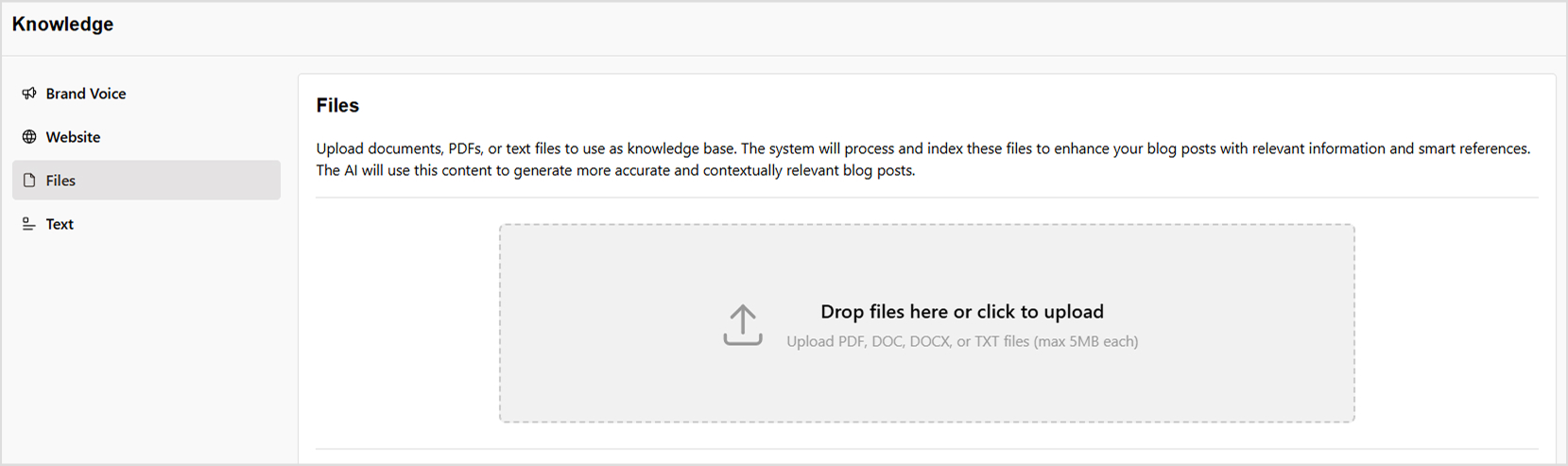
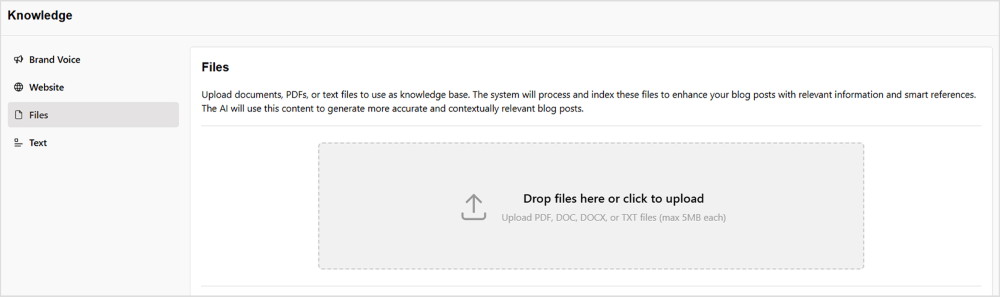
    Every brand has its unique messaging and audience-specific language. Contentpen’s brand knowledge system learns from your existing content, ensuring all new blogs reflect your positioning, tone, and values. 

    This guarantees that your content marketing strategy doesn’t just look professional, it also feels yours authentically.

    Add knowledge base - contentpen.ai

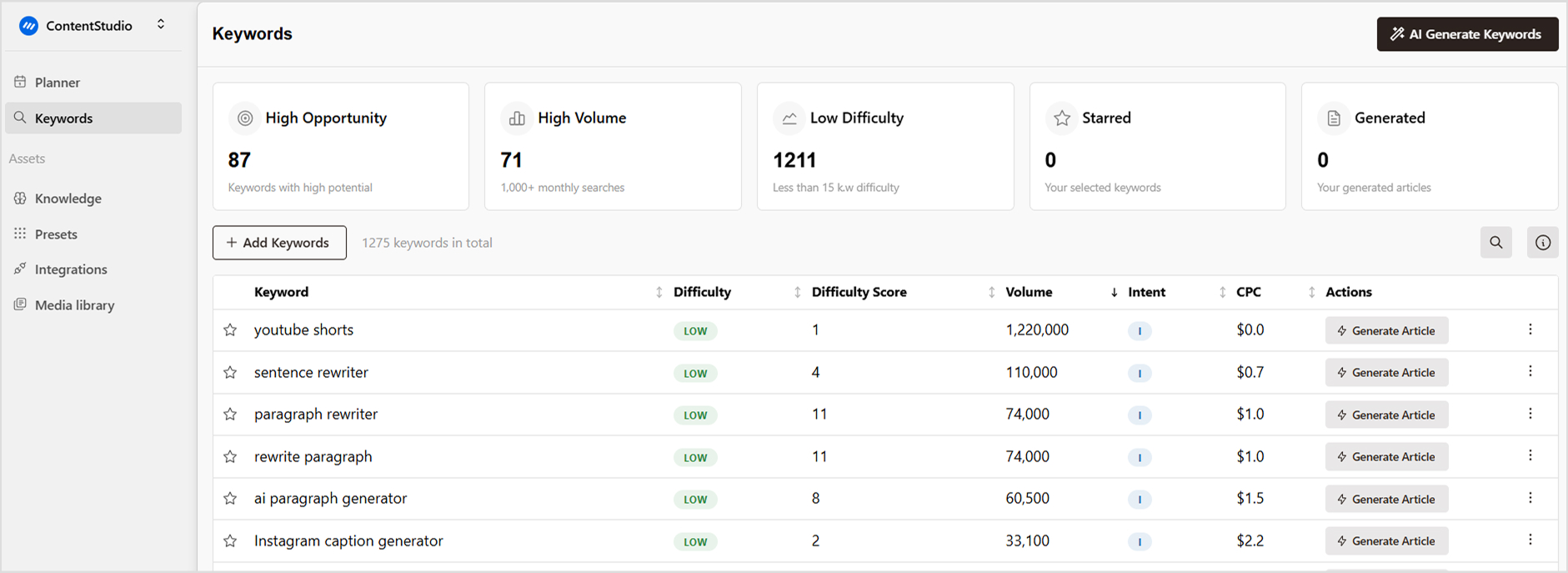
    Smart keyword & topic suggestions

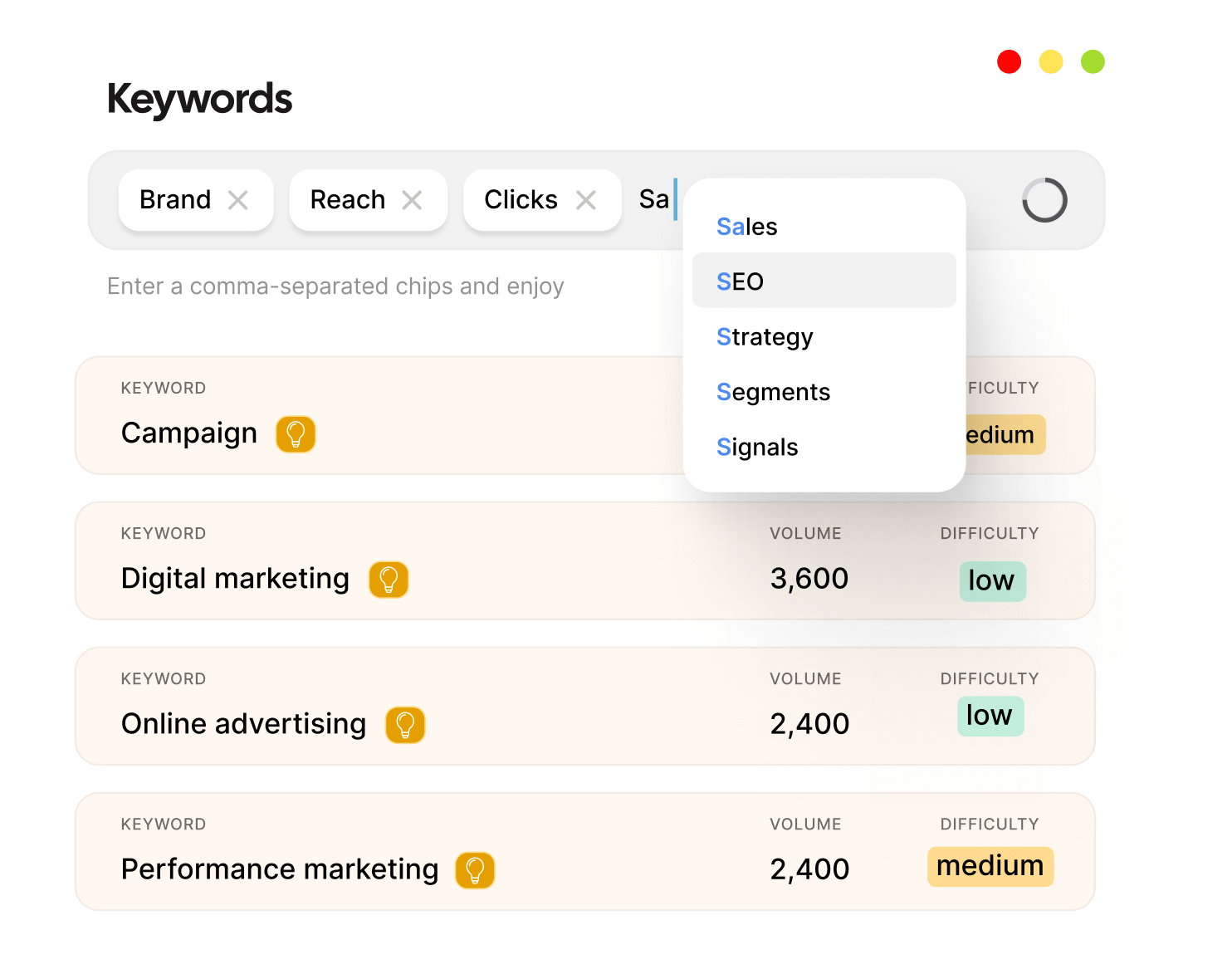
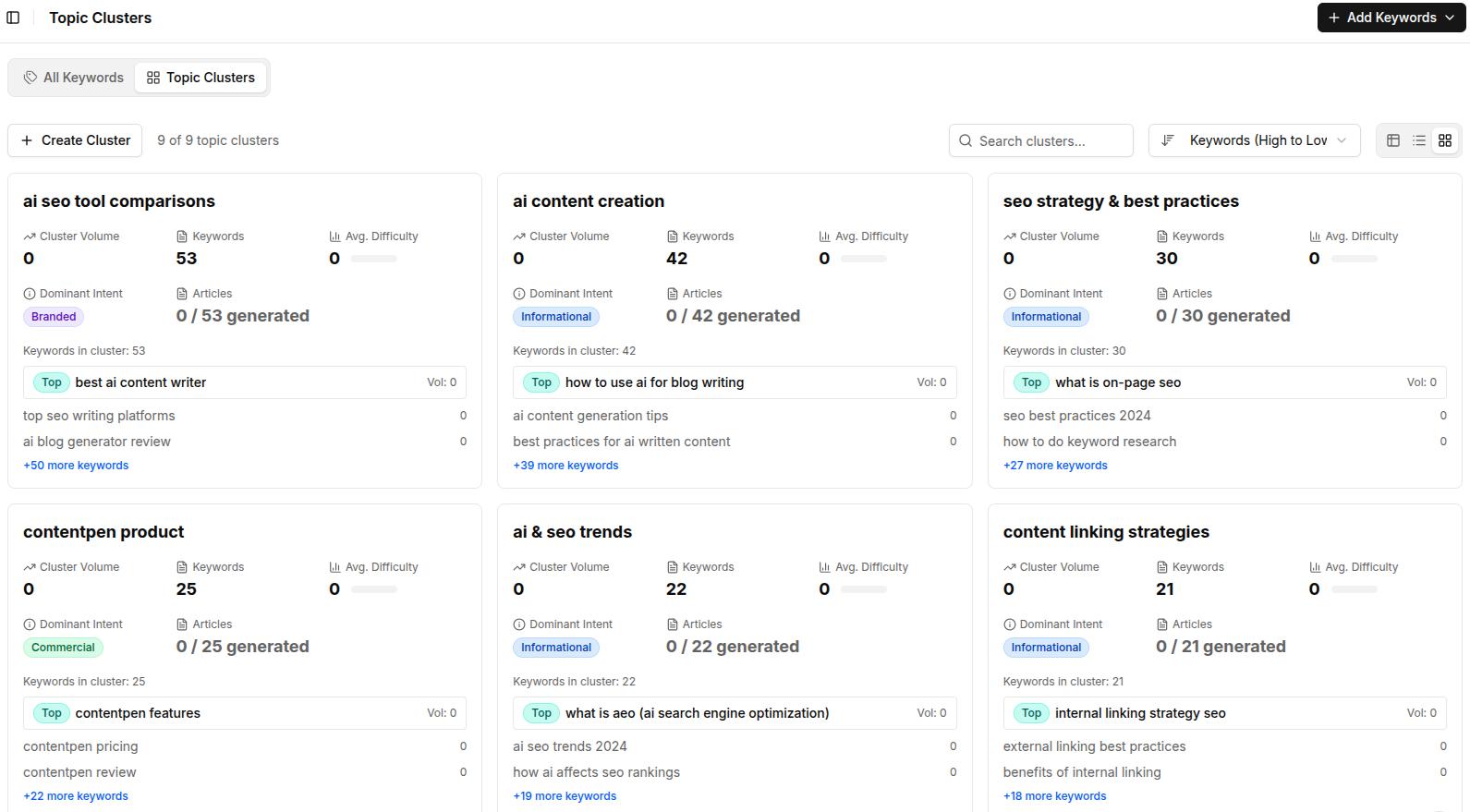
    Successful strategies require covering more than just target keywords; you need topical authority. Contentpen analyzes competitor content and search intent to recommend primary and semantic keywords. This makes your content strategy SEO-driven without losing readability.

    find high-opportunity keywords in Contentpen - contentpen.ai

    Automated internal and external linking

    Linking is one of the most overlooked parts of strategy execution. Contentpen automates the linking process by identifying opportunities to connect to both internal blogs and trusted external sources, strengthening SEO and providing readers with a seamless experience. 

    For example, if your blog covers keyword research, it can automatically link to types of keywords for deeper context.

    Bulk content creation for scaling strategy

    For brands producing content at scale, strategy execution can feel overwhelming. 

    Contentpen’s bulk article generation feature allows you to create dozens of blogs in one go , each aligned with your chosen themes, SEO framework, and brand guidelines. This makes scaling your strategy fast, cost-effective, and stress-free.

    Advanced editing and optimization

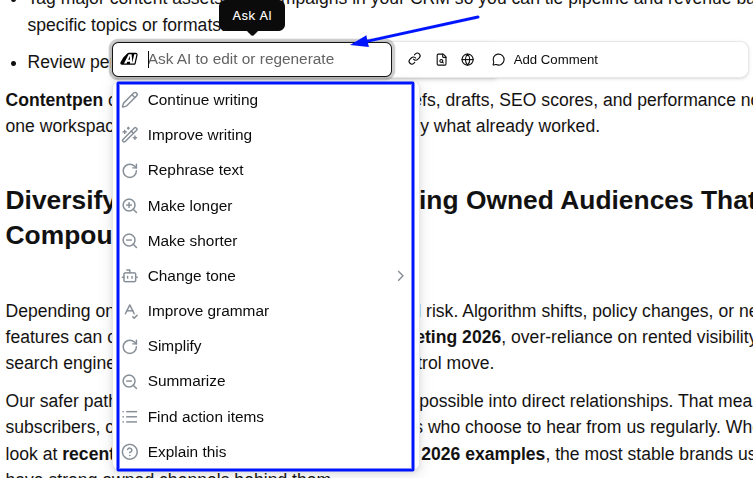
    Even strong strategies fall short without fine-tuning. Contentpen’s editorial tools enhance your drafts by boosting readability, optimizing for featured snippets, and creating a smooth flow. 

    With the right mix of depth and clarity, your content doesn’t just get published, it delivers results.

    Through these features, Contentpen turns content marketing strategy from a time-intensive process into a streamlined growth engine. 

    Instead of struggling with planning, formatting, or SEO, your team can focus on what matters most. That means creating meaningful content that builds trust, drives traffic, and turns readers into customers.

    Conclusion 

    A content marketing strategy isn’t optional in 2026; it’s the engine of growth. It helps brands build trust, increase traffic, and convert readers into customers. By combining clear planning with an AI writer online like Contentpen, you not only save time but also create a scalable system for long-term growth.

    The brands that thrive in 2026 will be those with a well-documented, data-driven content marketing strategy and the tools to execute it at scale.

  • How does technical blog writing help brands educate and convert?

    How does technical blog writing help brands educate and convert?

    Technical blog writing has become one of the most effective ways for brands, especially in SaaS, AI, cybersecurity, and other complex industries, to build credibility, engage their audiences, and drive conversions.

    Unlike traditional blog writing that may focus on storytelling or light commentary, technical blog writing goes deep. It simplifies difficult concepts, educates readers about processes or tools, and offers practical solutions backed by expertise.

    The true value lies in its dual role: it educates first and converts second. Brands that master technical blog writing not only rank higher on search engines but also win customer trust.

    In this guide, we’ll explore how technical blog writing helps brands stand out, build trust, and turn readers into loyal customers. We’ll also look at how Contentpen’s AI blog writer can help simplify and scale the process.

    What is technical blog writing?

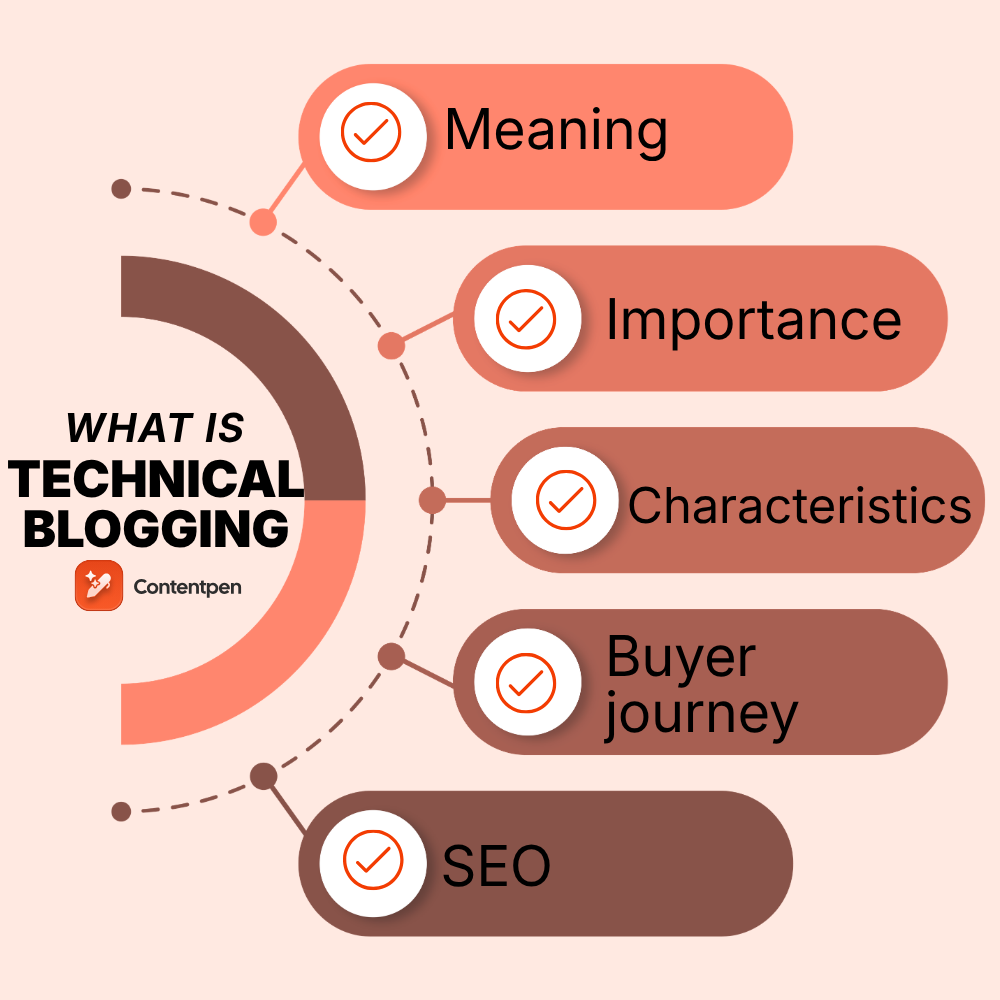
    Technical blog writing1

    Technical blog writing is the practice of creating blog content that explains specialized or complex topics in a clear, engaging, and actionable way. Instead of being conversational or anecdotal, it focuses on accuracy, depth, and clarity.

    For example, an AI company might publish a blog explaining how natural language processing works, while a SaaS brand could write about optimizing workflows using automation. These are not simple topics, but when explained with the right structure, they can make a brand the go-to resource in its niche.

    Tech blogs often include:

    • Step-by-step tutorials and walkthroughs.
    • Data, charts, and code snippets.
    • In-depth comparisons between tools or methods.
    • Best practices drawn from research and expertise.

    For instance, how to connect your WordPress with Contentpen is a technical blog that takes a complex integration process and makes it simple for users to follow. Similarly, how to add a sitemap in Contentpen provides a hands-on tutorial that teaches while positioning the product as the solution.

    Why technical blog writing is critical for brands

    • Educating the audience

    Today’s audiences, particularly in B2B and technology-driven industries, don’t want sales pitches; they want knowledge. A well-written technical blog allows brands to educate potential customers, breaking down challenges and offering insights that help them make informed decisions.

    Consider the blog on AI-generated content. It takes a highly technical topic and translates it into simple explanations. By doing so, it doesn’t just educate readers but also builds trust in Contentpen as a credible authority.

    Educate the audience
    • Building authority and trust

    Brands that regularly publish high-quality technical blogs establish themselves as industry experts. Each article becomes a proof point of their knowledge. Over time, this positions the brand as a thought leader and makes potential customers more likely to choose their solutions.

    A great example is the blog on the future of blog writing services, which provides in-depth analysis of AI trends. By addressing emerging technologies confidently, Contentpen establishes credibility in a competitive market.

    • Driving organic traffic

    Technical blogs are SEO-friendly by nature. They cover long-tail, niche-specific keywords that attract highly targeted audiences. Unlike generic content, technical posts bring in readers who are actively searching for solutions, comparisons, or how-to guides.

    For instance, the best AI SEO tools target decision-makers searching for optimization tools. Each visitor is already a potential lead because they’re looking for actionable answers.

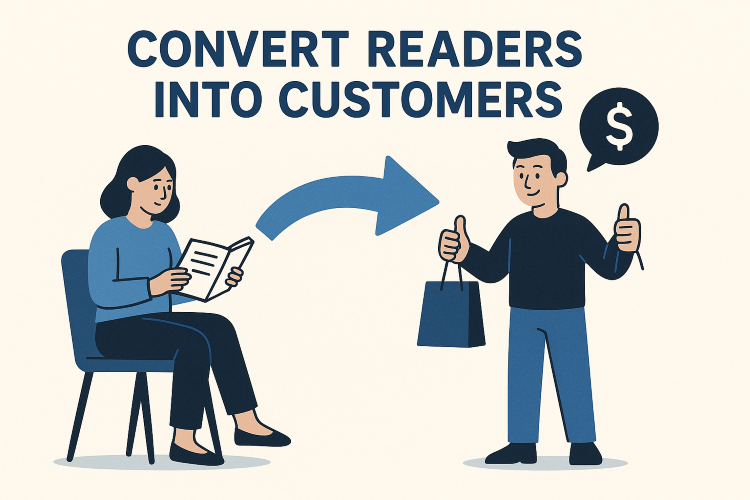
    • Converting readers into customers

    While technical blogs educate, their ultimate goal is to convert readers into users or buyers. This is done subtly, by showing the reader not just why a solution matters, but how the brand’s product or service delivers that solution best.

    For example, how to cut blogging time using AI educates readers about productivity challenges, then introduces Contentpen as the solution, seamlessly blending education with conversion.

    Convert readers into customers

    Characteristics of effective technical blog writing

    Not all technical blogs succeed. To truly educate and convert, they must balance depth with readability.

    • Clarity: Even if the topic is complex, the writing should be accessible. Avoid jargon overload.
    • Depth: Don’t oversimplify show expertise by covering details.
    • Structure: Use headings, visuals, and examples to organize information logically.
    • Credibility: Support claims with evidence, data, or references.
    • Actionability: End with takeaways or steps readers can apply.

    How technical blog writing fits into the buyer journey?

    Technical blogs are powerful because they align with every stage of the buyer journey:

    • Awareness stage: Readers discover your content while looking for answers to challenges. Example: Will AI replace writers? addresses a trending question that sparks initial interest.
    • Consideration stage: Blogs help readers evaluate possible solutions. For instance, Best ChatGPT alternatives doesn’t just share options, it positions Contentpen in the mix.
    • Decision stage: Deep-dive technical tutorials, like how to build a brand voice for Contentpen, show how to implement solutions, nudging readers toward conversion.

    By addressing each stage, technical blogs function as a bridge from awareness to purchase.

    SEO and technical blog writing

    Search engines reward well-structured, in-depth blogs. Formatting your technical content with SEO in mind ensures that your posts not only educate but also reach more readers.

    Keyword placement

    Your main keyword here, “technical blog writing,” should appear in the title, introduction, subheadings, and naturally throughout the text. Strategic keyword use signals relevance to search engines. See types of keywords for guidance on targeting the right keyword mix.

    Meta descriptions

    A clear, compelling snippet of 150–160 characters encourages clicks from search results. Check the on-page SEO checklist for step-by-step optimization practices.

    Linking strategy

    Internal links improve dwell time and connect readers to related resources, while external links add authority. Blogs like SEO writing tools, and optimized content marketing are great to interlink with technical SEO content.

    For automation tips, see how to automate internal and external linking using Contentpen.

    Image optimization

    Tech blogs often include charts, diagrams, and screenshots. Naming images descriptively (e.g., technical-blog-writing-example.jpg) and adding keyword-rich alt text improves visibility. 

    How does Contentpen make technical blog writing easier and more effective?

    Writing technical blogs is often challenging; it requires accuracy, structure, and SEO precision, while still keeping content accessible to readers. Contentpen simplifies this process by combining advanced AI systems with brand customization, ensuring your technical blogs are well-researched, reader-friendly, and optimized for conversions.

    AI-powered outlines for technical content

    Technical blogs demand a clear structure to explain complex ideas. With Contentpen’s AI-powered outline generator, you can create research-backed frameworks for tutorials, comparisons, or deep-dive articles in minutes. The tool organizes your blog into logical sections, making it easier to cover technical details step by step without overwhelming the reader.

    Blog outline generation

    Also read: Use AI to write blog posts

    Customizable presets for technical writing styles

    Maintaining consistency across technical blogs is critical for building authority. Contentpen’s customizable presets allow you to set rules for headings, code blocks, numbered steps, and formatting preferences. Whether you’re writing how-to guides, product integrations, or thought leadership posts, presets ensure every technical article feels polished and on-brand.

    Custom presets

    Explore: How to use Contentpen presets.

    Brand knowledge integration

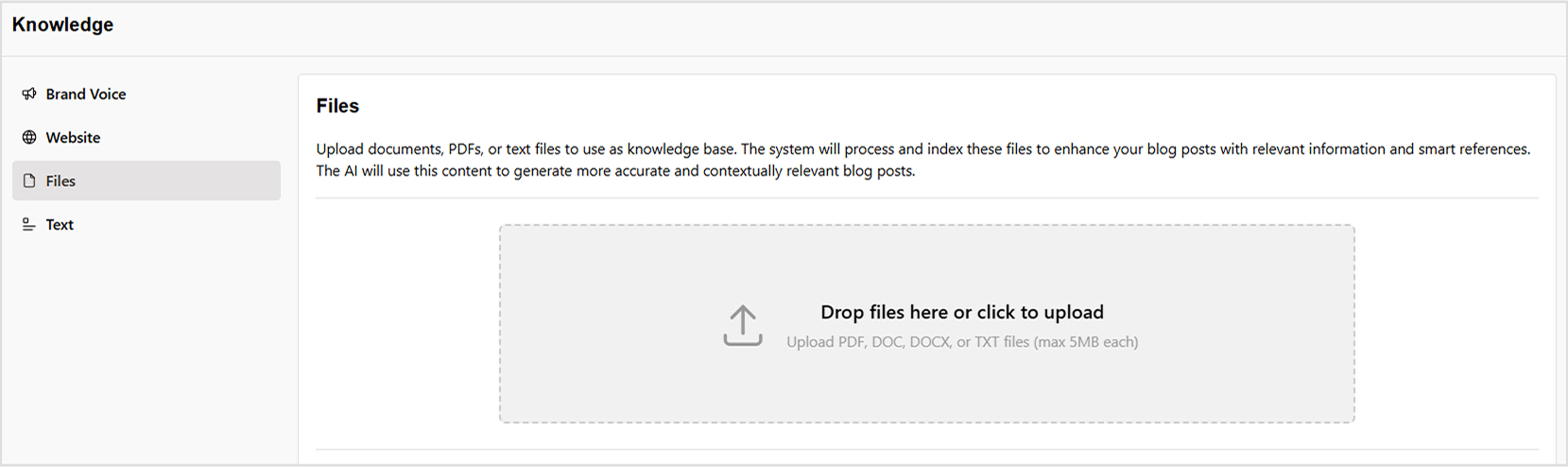
    Technical writing often needs to reflect a company’s unique terminology, tone, and expertise. Contentpen’s brand knowledge system learns from your existing content and adapts to your preferred writing style. This ensures that technical blogs align with your company’s voice while presenting complex details clearly and consistently.

    Brand knowledge

    Check out: How to build a brand voice for Contentpen

    Smart keyword and topic suggestions

    Ranking with technical content means covering both primary keywords and related terms that build topical authority. Contentpen analyzes competitor blogs and search intent to suggest smart keywords tailored for technical topics. These recommendations are integrated naturally into your headings, body content, and subtopics, helping you rank for broader semantic clusters.

    Smart keyword suggestions

    Learn more: SEO writing tools

    Automated internal and external linking

    Technical blogs thrive on credibility, but manually linking to related resources can be time-consuming. Contentpen’s automated linking system identifies opportunities for both internal blogs and authoritative external sources. For example, if you’re writing about SEO automation, it can link directly to how to automate internal and external linking using Contentpen. This strengthens SEO and enhances reader experience without disrupting the content’s flow.

    Add external or internal links

    Bulk content creation for scaling technical blogs

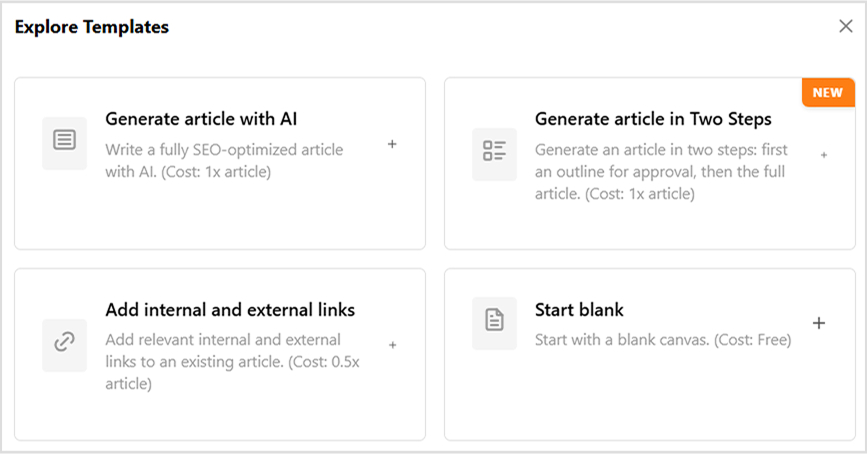
    For brands that need to publish multiple technical blogs each month, Contentpen’s bulk creation feature is a game-changer. It allows you to generate dozens of technical articles at once while ensuring each follows your chosen presets, structure, and brand guidelines. This makes scaling easier without sacrificing depth or quality.

    2 Step article generation

    Also read: How to create articles in bulk using Contentpen

    Advanced editing and optimization

    Technical blogs often need fine-tuning to balance depth with readability. Contentpen provides editing tools that can rewrite sections for clarity, improve flow, and optimize for featured snippets. This ensures your technical content isn’t just accurate, it’s engaging and SEO-ready.

    With these advanced features, Contentpen turns technical blog writing into a streamlined, scalable process. Instead of worrying about formatting, linking, or SEO, your team can focus on delivering valuable insights that educate readers and convert them into customers.

    Write content that’s built to rank, not just read

    Create search-optimized blogs aligned with SEO and GEO signals, so your content performs well across search and AI-driven discovery.

    Try SEO Blogging FREE
    AI SEO Interface

    Conclusion 

    Technical blog writing is not just another form of content marketing; it’s a long-term growth strategy. By explaining complex topics, building authority, and integrating SEO best practices, technical blogs turn readers into loyal customers.

    Brands that invest in technical writing see higher search rankings, better-qualified leads, and stronger conversion rates. And with Contentpen, the process becomes faster, easier, and more effective, helping you consistently deliver technical content that educates your audience while driving measurable business growth.

    If you’re ready to scale your technical blog writing, now’s the time to leverage AI-driven tools like Contentpen. Your audience is searching for clarity; make sure you’re the brand that provides it.

    Frequently Asked Questions

    What is technical blog writing?

    Technical blog writing is the process of creating in-depth, solution-focused content that explains complex topics in simple, actionable language. It’s designed to educate readers, establish brand authority, and guide audiences toward conversions.

    How does technical blog writing benefit brands?

    It helps brands educate their audience, build credibility, improve SEO visibility, and generate high-quality leads. By addressing customer pain points with clear, technical explanations, brands can convert readers into paying customers.

    Is technical blog writing only for tech companies?

    Not at all. While it’s popular in SaaS, AI, and IT industries, any business with complex products or services can benefit. For example, financial firms, healthcare providers, and e-commerce platforms use technical blogs to simplify information for their audiences.

  • Best AI tool for writing SEO-rich blog content

    Best AI tool for writing SEO-rich blog content

    Artificial intelligence (AI) is quickly becoming the backbone of successful SEO strategies. A large majority of companies and marketers are already using AI. But the real challenge isn’t adoption. Instead, it chooses the best AI tool for writing SEO-rich blog content.

    Among the long list of AI writing tools, Contentpen emerges as the definitive solution for creating SEO-rich blog content that ranks higher, engages readers, and drives meaningful business results.

    This comprehensive guide explores what makes an AI tool truly exceptional for SEO content creation, why Contentpen stands above the competition, and how you can use its capabilities to transform your content marketing strategy. 

    Whether you’re a solo blogger learning how to write blogs faster using AI or managing content for a large enterprise, understanding these principles will help you create content that both search engines and human readers absolutely love.

    Write better blogs in less time, without sacrificing quality.

    Let AI handle structure, clarity, and flow while you stay in control of the message.

    Try AI blog writing
    AI SEO Interface

    What makes an AI tool ideal for SEO‑rich blog content?

    The best AI tool for writing SEO-rich blog content must excel in three fundamental areas that separate professional-grade platforms from basic text generators. 

    These capabilities determine whether your content will rank on page one or get lost in the digital noise.

    1. Understanding search intent and keyword placement

    Modern SEO success depends on matching content to user intent, not just cramming keywords into paragraphs. The most effective AI tools analyze SERP features to understand what searchers actually want when they type specific queries.

    How advanced AI tools analyze search intent

    Professional platforms examine multiple data sources to understand user needs:

    • “People Also Ask” questions: Reveals related concerns and subtopics users want covered
    • Related search suggestions: Shows semantic variations and related queries
    • Current ranking content types: Identifies whether users prefer guides, comparisons, or quick answers
    • SERP features present: Indicates if Google expects videos, images, or specific content formats

    Four types of search intent

    Search intent analysis

    Source

    Search intent analysis has become the most critical differentiator among AI SEO tools. Advanced platforms categorize queries into four distinct types:

    1. Informational: Users seeking knowledge or answers to questions
    2. Navigational: Users looking for specific websites or brands
    3. Transactional: Users ready to make purchases or take action
    4. Commercial investigation: Users comparing options before buying

    For instance, when someone searches for “best AI tool for writing SEO rich blog content,” they want a comparative analysis and actionable recommendations, which is exactly what this article provides.

    Smart keyword integration techniques

    Professional AI tools understand semantic density and keyword relationships within context:

    • Natural keyword weaving: Incorporates target terms organically within sentences
    • Optimal density maintenance: Maintains the recommended 2-3% keyword density
    • Semantic variations: Uses related terms to strengthen topical relevance
    • Contextual placement: Positions keywords where they feel natural and valuable

    This approach helps writers avoid AI detection in writing while maintaining SEO effectiveness.

    2. Ensuring readability and engagement for humans and search engines

    The dual challenge of SEO content lies in satisfying both algorithmic requirements and human preferences. Google’s algorithms increasingly prioritize user engagement metrics like time on page, bounce rate, and social shares. These are all indicators that real people find your content valuable.

    Content structure optimization

    Exceptional AI tools structure content for maximum readability using proven formatting techniques:

    Heading hierarchies:

    • H1 for main title with primary keyword
    • H2 for major sections with secondary keywords
    • H3 for subsections and detailed points
    • H4-H6 for additional organization as needed

    Scannable formatting elements:

    • Strategic bullet points that highlight key information
    • Natural paragraph breaks every 2-3 sentences
    • Bold text for important concepts and keywords
    • Tables and lists for complex data presentation

    Also read: How to structure a blog?

    Technical SEO optimization features

    Content optimization extends beyond basic formatting to include essential technical elements:

    SEO elementOptimal lengthPurpose
    Meta descriptions155 charactersImprove click-through rates
    Title tagsUnder 60 charactersCompelling headlines that rank
    Internal links3-5 per articleKeep readers engaged longer
    Schema markupAs neededEnhanced SERP appearance

    3. Streamlining your workflow for consistency

    Enterprise-level content production requires systematic processes that maintain quality while scaling output. The most valuable AI tools integrate into existing workflows, providing collaborative features that support team-based content creation without sacrificing brand consistency.

    Team collaboration features

    Modern platforms offer comprehensive collaboration capabilities:

    • Multi-user editing like Google Docs
    • Live cursor tracking and user presence
    • Instant save and sync across devices
    • Version history and change tracking
    • Comment systems for feedback and suggestions
    • Approval workflows for quality control
    • Task assignment and deadline tracking
    • Role-based permission management

    Brand consistency maintenance

    Professional AI tools ensure every piece of content reflects your unique brand personality:

    • Customizable style guides: Define tone, brand voice, and messaging parameters
    • Brand voice learning: AI adapts to your preferred communication style
    • Terminology management: Consistent use of industry-specific language
    • Template creation: Standardized formats for different content types

    Workflow automation benefits

    Workflow optimization includes advanced features that transform content marketing into a data-driven process:

    1. Content calendar integration: Schedule and plan content strategically
    2. Automated publishing: Direct posting to CMS platforms
    3. Performance tracking: Connect content creation to business outcomes
    4. Analytics integration: Monitor engagement and optimization opportunities

    This systematic approach transforms content marketing from a creative guessing game into a predictable growth engine.

    Why Contentpen is the best AI tool for writing SEO-rich blog content?

    After extensive analysis of the available AI writing tools, Contentpen consistently outperforms alternatives in the specific areas that matter most for SEO content success. 

    Here’s why it’s become the preferred choice for businesses serious about organic search dominance.

    Many organizations struggle with the dos and don’ts of using AI to generate blog content, but Contentpen addresses these challenges through its specialized approach.

    SEO‑driven outline and structure generator

    Contentpen’s outline generation feature represents a quantum leap beyond basic content planning tools. It analyzes top-ranking competitors for your target keywords, identifies content gaps in the current SERP landscape, and creates comprehensive article structures that position your content for search success.

    SEO‑driven outline and structure generator

    The platform’s deep topic research capabilities include automated SERP analysis of top-ranking pages, helping you understand exactly what type of content Google rewards for your specific keywords. 

    This research-driven approach ensures your content covers all the subtopics and semantic keywords that search engines expect, while identifying opportunities to provide unique value that competitors miss.

    Use Contentpen to generate an optimized outline

    Each outline includes optimized heading structures that improve both SEO performance and user experience. The system suggests H1, H2, and H3 tags that create logical information hierarchies while incorporating your target keywords naturally. This strategic approach to content architecture often determines the difference between page one rankings and digital obscurity.

    Built‑in keyword optimization guidance

    Unlike generic AI writing tools that treat keywords as afterthoughts, Contentpen integrates keyword optimization throughout the entire content creation process. The platform provides real-time guidance on keyword density, semantic variations, and strategic placement that maximizes SEO impact without compromising readability.

    Built‑in keyword optimization guidance

    The system’s semantic analysis goes far beyond simple keyword matching. It understands the relationships between related terms and suggests contextually relevant variations that strengthen your content’s topical authority. This sophisticated approach helps your articles rank for dozens of related keywords beyond your primary target.

    Linking automation

    Linking automation represents another significant advantage of using Contentpen. It analyzes your existing content library and suggests strategic internal links that boost page authority and improve user engagement. This feature alone can dramatically improve your site’s overall SEO performance by creating stronger topical clusters and keeping readers engaged longer.

    Linking automation

    Related: What is content automation: Key benefits, tools and tips.

    Natural, human‑like tone and style options

    One of the biggest challenges with AI-generated content is overcoming the robotic, formulaic tone that immediately signals artificial origin to readers. Contentpen addresses this through advanced natural language processing that produces genuinely engaging, conversational content.

    The platform offers multiple tone options that can be fine-tuned to match your brand voice perfectly. Whether you need authoritative expertise for B2B audiences or friendly accessibility for consumer content, the system adapts its writing style while maintaining SEO optimization throughout.

    tone and style options

    Brand voice consistency becomes effortless through Contentpen’s learning capabilities. The more you use the platform, the better it understands your preferred style, terminology, and messaging approach. This creates a feedback loop that continuously improves content quality while reducing the time needed for editing and revision.

    Also read: How to build a brand voice for Contentpen?

    Collaboration and publishing ease

    Content marketing success requires seamless collaboration between writers, editors, SEO specialists, and marketing managers. Contentpen facilitates this through intuitive collaboration features that eliminate the friction typically associated with team-based content production.

    The platform’s approval workflow system ensures quality control while maintaining publication schedules. Team members can provide feedback, suggest revisions, and approve content through a streamlined process that prevents bottlenecks and miscommunication.

    Direct publishing integration with WordPress eliminates the tedious copy-paste process that wastes time and introduces formatting errors. Content flows seamlessly from creation to publication, complete with optimized meta tags, structured data, and internal links that maximize SEO impact from day one.

    Related: How to connect your WordPress with Contentpen?

    Plan once.
    Publish consistently.

    check

    Scheduled

    check

    Organized

    check

    Predictable

    check

    Scalable

    Schedule Your Content
    AI SEO Interface

    How to create SEO‑optimized blogs with Contentpen?

    Maximizing Contentpen’s capabilities requires a systematic approach that uses each feature strategically. This step-by-step process ensures consistently excellent results while minimizing the time investment required.

    Many users find that following a structured approach helps them create blog content in 10 minutes while maintaining quality standards.

    Step 1: Select your keyword and target audience

    Begin every content project by clearly defining your primary keyword and target audience demographics. Contentpen’s keyword research tools help identify high-opportunity terms with reasonable competition levels and strong commercial intent.

    Primary keyword selection should balance search volume with ranking difficulty based on your domain authority. The platform provides keyword difficulty scores that help you choose targets you can realistically rank for within your timeline and resource constraints.

    Select your keyword and title

    Step 2: Use Contentpen to generate an optimized outline

    The outline generation phase sets the foundation for SEO success. Input your target keyword and audience parameters, then allow Contentpen’s AI agents to analyze competitor content, identify semantic keywords, and create a comprehensive content structure.

    Outline optimization includes strategic heading placement that incorporates target keywords naturally while maintaining logical information flow. The system suggests subtopics that comprehensive coverage requires, helping you create pillar content that establishes topical authority.

    Review and customize the generated outline to ensure it aligns with your unique value proposition and brand messaging. While the AI provides excellent structural foundations, your industry expertise and brand personality should guide the final content direction.

    SEO optimized outline

    Step 3: Draft the blog with AI suggestions

    Contentpen’s writing phase combines artificial intelligence efficiency with strategic SEO integration. The platform generates comprehensive content for each outline section while maintaining a consistent tone and incorporating semantic keywords naturally throughout.

    The AI writing suggestions adapt to your brand voice and industry terminology, creating content that sounds authentically human while meeting all SEO criteria. This balance between optimization and authenticity is crucial for content that performs well in both search rankings and user engagement.

    Draft the blog with AI suggestions

    Related: How to create articles in bulk using Contentpen?

    Step 4: Refine and finalize your blog post

    The refinement phase transforms good AI-generated content into exceptional, publish-ready material. Review each section for accuracy, brand alignment, and value proposition clarity while ensuring all SEO elements are properly optimized.

    Refine and finalize your blog post

    Content enhancement includes fact-checking statistics and claims, adding personal insights that differentiate your content from competitors, and ensuring smooth transitions between sections that improve readability and user experience.

    Optimize meta elements, including title tags, meta descriptions, and image alt text, to maximize SERP performance. Contentpen provides suggestions for these elements, but manual review ensures they align perfectly with your content and brand messaging.

    Step 5: Export and publish

    The final step involves Contentpen’s publishing integrations to streamline content deployment across your digital platforms. The platform maintains formatting, internal links, and SEO elements during the export process, eliminating common technical issues.

    Post-publication monitoring through integrated analytics helps track performance metrics and identify opportunities for content updates or promotion strategies that maximize long-term SEO value.

    Also read: How to fact-check AI-generated content in 7 steps?

    Tips for maximizing SEO results with Contentpen

    Advanced users can unlock even greater value from Contentpen through strategic optimization techniques that compound SEO benefits over time. These approaches transform individual articles into comprehensive content strategies.

    Use the tone options to match your brand voice

    Brand voice consistency across all content creates stronger brand recognition and improves user engagement metrics that influence search rankings. Contentpen’s tone customization features should be calibrated to match your existing successful content and audience preferences.

    Experiment with different tone settings for various content types and audience segments. B2B technical content might require authoritative expertise, while consumer-focused articles benefit from conversational accessibility. The platform’s flexibility accommodates these variations while maintaining overall brand coherence.

    Document your preferred tone settings and style guidelines to ensure consistency across team members and content types. This systematic approach creates a distinctive brand voice that readers recognize and trust, improving both direct engagement and SEO performance.

    Related: How to use tone of voice in writing?

    Experiment with different outlines to suit your audience

    Content structure optimization significantly impacts both user experience and search engine evaluation. Use Contentpen’s outline generator to test different approaches for similar topics, identifying structures that resonate most effectively with your specific audience.

    Analyze performance data from different outline styles to understand what formats drive the best engagement metrics. Some audiences prefer comprehensive, encyclopedia-style coverage, while others respond better to practical, step-by-step guides or comparative analyses.

    Teams can use Contentpen presets to standardize their most effective content formats and maintain consistency across all publications.

    Create personalized content

    Always add your personal touch before publishing

    While Contentpen produces excellent foundational content, human enhancement remains crucial for creating truly exceptional material that stands out in competitive markets. Your unique insights, experiences, and expertise transform good AI content into remarkable thought leadership.

    Add personal anecdotes, case studies, and industry observations that demonstrate authentic expertise and provide value unavailable elsewhere. These human elements create the unique value proposition that search engines increasingly prioritize in their ranking algorithms.

    Conclusion

    Contentpen represents the evolution of AI-powered content creation, specifically engineered for businesses that refuse to compromise between SEO performance and content quality. It’s a comprehensive approach to SEO-rich blog content creation that includes everything from research and outlining through optimization and publishing. 

    eliminates the fragmented workflow that hampers most content marketing efforts.

    Unlike generic AI writing tools that require extensive manual optimization, Contentpen integrates SEO best practices throughout the entire content creation process.

    So, are you ready to transform your content marketing strategy? Start your journey with the best AI writer today and discover why leading businesses choose it as their best AI tool for writing SEO-rich blog content. Your future search rankings will thank you!

    Frequently asked questions

    How does Contentpen differ from other AI writing tools for SEO?

    Contentpen is specifically built for SEO-rich content creation, featuring integrated keyword research, competitor analysis, automated internal linking, and real-time optimization guidance. Unlike generic AI writers, it understands search intent and structures content for both user engagement and search engine performance.

    Can beginners use Contentpen effectively for SEO content?

    Absolutely! Contentpen’s guided workflow and real-time SEO suggestions make it accessible for beginners while providing advanced features for experienced marketers. The platform includes educational tooltips and best practice recommendations that help users learn SEO principles while creating content.

    How much time can I save using Contentpen for blog creation?

    Most users report 60-80% time savings compared to traditional content creation. The platform handles research, outline generation, initial drafts, and SEO optimization automatically, allowing you to focus on adding unique insights and brand-specific elements.

    Can Contentpen help with content for different industries and niches?

    Yes, Contentpen adapts to various industries through its brand voice learning capabilities and semantic understanding. The platform works effectively for B2B, e-commerce, technology, healthcare, finance, and other sectors by customizing tone, terminology, and content structure for specific audiences.

  • How to format a blog post? Complete guide for 2026

    How to format a blog post? Complete guide for 2026

    You can spend hours crafting the most insightful, well-researched blog post, but if it isn’t formatted correctly, many readers won’t make it past the first paragraph. In today’s digital landscape, attention spans are short, competition is high, and blog post formatting is your first line of defense against losing a reader.

    Formatting is the invisible force that shapes your reader’s experience. It determines whether your content feels inviting or overwhelming, and it plays a direct role in SEO, engagement, and conversions. Without proper formatting, even the best-written content can be skipped over, misunderstood, or abandoned.

    Good blog formatting isn’t just about aesthetics; it’s about readability, accessibility, and retention. A well-structured post makes it easier for readers to scan, digest, and act on your ideas. It also signals to search engines that your content is high-quality and organized.

    In this guide, we’ll walk you step-by-step through how to format a blog for maximum impact. You’ll also learn how Contentpen, an AI-powered writing assistant, can help you format blogs faster, smarter, and more effectively.

    Why does blog post formatting matter?

    blog formatting

    Imagine opening a blog post and being greeted by:

    • Giant paragraphs with no breaks.
    • No clear headings.
    • Tiny, hard-to-read fonts.
    • Images that don’t align properly.

    Most readers will simply hit the back button. Formatting is the bridge between your ideas and your audience’s attention span.

    Poor blog post format can cause reader fatigue. Large chunks of unbroken text, no clear headings, and a lack of visual balance will push even interested readers away.

    Good formatting:

    • Makes content easy to scan.
    • Helps search engines understand your structure.
    • Guides readers toward CTAs naturally.
    • Improves time-on-page, a key SEO metric.

    If you want to cut formatting time while improving quality, check out how to create a blog in 10 minutes.

    Why formatting is non-negotiable in 2026:

    1. User behavior has changed: Mobile-first browsing means your formatting must look good on small screens.
    2. SEO is structure-aware: Search engines analyze heading hierarchy, lists, and internal linking.
    3. Visual literacy is rising: People expect images, charts, and quick-scan elements.
    4. Conversion paths depend on flow: Poorly placed CTAs get ignored.

    However, if you want a practical example of how structure impacts performance, check out AI blogs vs human blogs for side-by-side formatting comparisons.

    From outline to publish-ready content that fills them

    check

    Structured

    check

    Consistent

    check

    SEO-aligned

    check

    Fast

    Generate Outlines FREE
    AI SEO Interface

    Understanding the basic blog post format

    Every well-formatted blog post follows a basic structure. Think of it like building a house; you need a solid foundation before you can add the details. Without a structure, your blog can feel disorganized, making it harder for readers to follow and less likely for search engines to index it effectively.

    blog post structure

    1. Title (H1)

    Your title is your blog’s handshake. It’s the first thing people see on search engines and social media, and it determines whether they click through. A good title:

    • Includes your focus keyword 
    • Is clear, benefit-driven, and not overly complicated
    • May include numbers or emotional triggers
    • Matches the intent of your audience

    Your title is both a hook for humans and a signal for search engines. It should be:

    • Should be descriptive, compelling, and keyword-rich.
    • Keep it under 60 characters for search visibility.
    • Avoid clickbait; readers bounce if you overpromise.

    Example:
    How to Format a Blog Post: Complete Guide for 2026
    Blog Formatting Secrets They Don’t Want You to Know!

    For tips on headline creation, see the top AI writing tools for generating title ideas.

    2. Introduction

    Your introduction should hook the reader and clearly state what they’ll learn. Avoid fluff, get to the point quickly. Some effective techniques include:

    • Opening with a relatable problem or question
    • Using a compelling statistic
    • Highlighting the benefits of reading the post

    A compelling intro hooks with a stat or story, defines the reader’s pain point, and provides the solution.

    3. Body

    This is the bulk of your blog. Break it into H2 sections with H3 subpoints. A logical structure helps both readers and search engines understand your main points. Keep paragraphs short and ensure each section flows logically.

    Example:

    • H2: How to Format a Blog for Readability
            – H3: Short Paragraphs and Sentences

                       – H3: Visual Breaks and Lists

    4. Conclusion & CTA

    Wrap up your blog with a concise summary of the key points and a clear next step, whether that’s signing up for a newsletter, downloading a resource, or reading another blog post, such as ‘SEO Blog Writing Tips’.

    A good conclusion:

    • Summarizes key points in 3–5 lines.
    • Invites action, reading another post, signing up, or trying a tool.

    Example CTA:

    Formatting is the difference between content that’s read and content that’s ignored. Try Contentpen to build perfectly formatted, SEO-friendly blogs in minutes.

    Types of blog formats you can use

    Different blog post formats serve different purposes. Choosing the right one depends on your content goals, audience needs, and industry trends.

    How-to guides

    These are instructional in nature and perfect for teaching your readers something new. They follow a step-by-step flow and include:

    • Numbered steps
    • Screenshots or images
    • Expert tips for each stage
    • Links to related resources, such as How to write a blog post

    Listicles

    List-based articles are inherently scannable and popular on social media. They’re great for:

    • Tips and tricks
    • Best-of lists
    • Resource roundups

    Example: “15 Ways to Improve Blog Readability”

    Case studies

    Best for showcasing your expertise and results. They typically follow:

    • The problem
    • The solution
    • The outcome
    • Lessons learned

    Opinion pieces

    These allow you to share your perspective on industry topics. They benefit from:

    • Clear sub-arguments
    • Supporting evidence
    • Strong, confident tone

    News & updates

    Best for covering timely industry developments. They require:

    • Concise writing
    • Quick publication turnaround
    • Clear takeaways for the reader

    Key elements of a perfect blog post format

    A blog post is more than words; it’s a reader experience. These are the elements that make your blog inviting and effective.

    1. Compelling headlines

    Break up content with descriptive headings that guide the reader. Headings should be both SEO-friendly and reader-friendly.
    Example:

    • H2: How to Format a Blog for SEO
    • H3: Using Keywords in Headings

    2. Engaging openings

    Each section should start with a hook, something that pulls the reader in and keeps them scrolling. This could be:

    • A surprising fact
    • A relatable question
    • A quick anecdote

    3. Logical flow of ideas

    Your blog should read like a smooth conversation. Use transition phrases to guide the reader from one section to another:

    • “Building on this…”
    • “On the other hand…”
    • “Next, let’s explore…”

    4. Visual breaks

    Walls of text can overwhelm readers. Use:

    • Images and graphics
    • Infographics
    • Pull quotes
    • Embedded videos

    5. SEO optimization

    Formatting is not just for humans, search engines notice it too. More on this in the next section. Add different types of keywords, internal links, and meta descriptions. If you’re new to SEO formatting, the on-page SEO checklist is a must-read.

    How Contentpen can help you create a perfect blog post format

    Contentpen is an AI blog writing tool that revolutionizes the process of automating and enhancing blog formatting without sacrificing quality. The platform combines multiple AI agents to handle everything from structure to styling, allowing you to focus on creating great content rather than wrestling with technical formatting details.

    Publish content directly to your CMS, without copy-pasting

    Move from draft to live post in a single step. No hassle, no errors!

    Try One-click Publishing
    AI SEO Interface

    Customized presets

    With Contentpen’s customizable preset system, formatting consistency becomes effortless. You can define your preferred formatting styles once and apply them automatically across all your content; no need to repeat manual adjustments every time.

    Create dedicated presets for different content types, whether it’s how-to guides, listicles, or thought leadership articles. Each preset can store specific formatting rules, including heading styles, paragraph structures, list formatting, and even image placement. This is especially valuable when producing content in bulk while maintaining a polished, on-brand appearance.

    Add presets

    Content appearance customization includes:

    • Style
    • Formatting
    • Structure
    • Linking
    Customized preset

    Brand knowledge integration

    Contentpen’s brand knowledge system ensures every piece of content maintains your unique voice and formatting style. When you set up your Contentpen workspace, the AI blog writer tool analyzes your existing content to understand your preferred formatting patterns, tone, and structural elements.

    Add knowledge base

    This intelligent system learns your brand voice and applies consistent formatting across all your content. Whether you prefer shorter paragraphs for readability or specific heading structures for your industry, Contentpen adapts to your style. The brand knowledge feature ensures every article feels authentically yours while maintaining professional formatting standards.

    Smart keyword suggestions

    Beyond basic keyword research, Contentpen provides intelligent keyword suggestions that enhance your content’s formatting and structure. The platform analyzes search intent and competitor content to recommend not just primary keywords but also semantic variations that improve your content’s topical authority.

    Smart keyword suggestions

    These keyword suggestions are seamlessly integrated into your content’s formatting structure. Contentpen suggests optimal keyword placement in headings, subheadings, and throughout your content without compromising readability. This approach helps you use AI to write blog posts that rank higher while maintaining natural, engaging formatting.

    2-step blog generator

    Contentpen’s 2-step blog generator simplifies the entire content creation and formatting process. First, it creates a research-backed outline that structures your content for maximum impact. Then, it generates comprehensive content for each section while maintaining consistent formatting throughout.

    2 Step article generation

    This systematic approach ensures your blogs post format follows proven formatting principles like proper heading hierarchy, optimal paragraph length, and strategic use of formatting elements like bullet points and numbered lists. The 2-step process eliminates guesswork and delivers professionally formatted content every time.

    Automated internal and external linking

    Strategic linking is crucial for SEO success, but manually adding links while maintaining proper formatting can be overwhelming. Contentpen’s automated linking feature intelligently identifies opportunities for both internal and external links while preserving your content’s formatting flow.

    Add internal and external links

    The system automates internal and external linking by analyzing your content and suggesting relevant links from your existing articles or authoritative external sources. Links are naturally integrated into your content without disrupting readability or formatting consistency, helping boost your content authority and search rankings.

    Comprehensive content planner

    Content planner

    Managing multiple pieces of content while maintaining consistent formatting becomes seamless with Contentpen’s content planner. This feature helps you organize and automate your content creation process, ensuring every piece follows your established formatting guidelines.

    The content planner integrates with your formatting presets and brand knowledge to maintain consistency across your entire content calendar. You can plan, track, and manage content formatting requirements in one centralized location, making it easier to scale your content production without sacrificing quality.

    Advanced features

    Beyond basic structure, Contentpen includes advanced blog post formatting capabilities that enhance your content’s visual appeal and readability. The platform can rewrite sections for better readability, optimize content for featured snippets, and ensure proper formatting for different content types.

    Whether you’re refreshing existing articles or creating new content from scratch, Contentpen handles technical formatting details automatically. The platform even supports WordPress integration for seamless publishing with preserved formatting.

    With Contentpen, you get perfectly formatted, SEO-optimized content that engages readers and drives results,  all while saving hours of manual formatting work.

    Conclusion 

    Mastering blog post formatting is one of the most impactful skills you can develop as a content creator. From improving reader engagement to boosting your SEO performance, proper formatting touches every aspect of your blogging success.

    Remember that great blog formatting serves your readers first. When you make content easy to scan, understand, and navigate, you create value that keeps people coming back for more. The techniques covered in this guide will help you create professional, engaging blog posts that stand out in today’s competitive content landscape.

     Formatting isn’t just about aesthetics; it’s about usability, discoverability, and conversion.

    A well-formatted blog:

    • Retains readers longer.
    • Signals quality to search engines.
    • Boosts engagement and leads.

    If you want to save hours per blog while improving quality, sign up for Contentpen and let AI handle formatting, linking, and optimization, so you can focus on strategy and creativity.

    Frequently Asked Questions

    Can I customize formatting styles for different types of content?

    Yes, Contentpen’s preset system allows you to create custom blog post formatting templates for different content types. You can set up specific formatting rules for blog posts, how-to guides, listicles, and more. Each preset maintains your brand’s visual consistency while adapting to different content formats.

    Does Contentpen maintain formatting when publishing to WordPress?

    Absolutely. Contentpen’s WordPress integration preserves all formatting elements including headings, lists, bold text, italics, and tables when publishing directly to your site. The platform ensures your carefully crafted formatting translates perfectly to your live website.

    Can I change formatting options after content is generated?

    Yes, you have full control over formatting even after content creation. You can edit AI content and adjust formatting elements like heading styles, list types, and text emphasis. You can also refresh existing articles with updated formatting standards.

    How does Contentpen ensure consistent formatting across bulk content creation?

    When you create articles in bulk, Contentpen applies your selected presets and formatting rules to maintain consistency. The platform uses your brand knowledge and formatting preferences to ensure every piece follows the same professional standards, regardless of volume.

  • How to structure a blog? Complete guide for content success

    How to structure a blog? Complete guide for content success

    If your blog doesn’t have structure, your reader doesn’t stand a chance.

    It’s a harsh truth, but it’s the one that separates high-performing blog posts from those that get lost in the endless scroll of the internet. Structure is the unsung hero of great content. It shapes your writing, helps your readers find clarity, and makes your content easier to digest, rank, and share.

    Whether you’re writing for personal branding, SEO, affiliate marketing, or lead generation, this guide will show you exactly how to structure your blog for maximum engagement and impact.

    We’ll also explore how Contentpen, your AI writing assistant, can help speed up every step of the process, from generating SEO-friendly outlines to writing compelling intros and formatting each section.

    Why blog structure matters more than ever?

    Gone are the days when dumping 1,000 words onto a page counted as a blog post.

    If you look at high-performing blog examples, you’ll notice they all follow a clear structure. Strong introductions, skimmable sections, and logical flow are what separate successful blog posts from ones that get ignored.

    Today’s readers are time-starved. They skim, scan, and bounce quickly if your blog doesn’t capture their attention in the first few seconds. And on the technical side, Google’s search algorithm prioritizes well-structured content, because that’s what people actually want to read.

    Learn more about on-page SEO best practices.

    Here’s how a strong blog structure serves both your readers and your business goals:

    • Short paragraphs, subheadings, and bullet points make your content easy to scan and digest.
    • Clear headings, optimized formatting, and internal links help search engines understand and rank your content.
    • A logical flow keeps readers hooked and encourages them to read more.
    • Strategic placement of CTAs nudges readers toward taking action.
    • A clean, consistent structure shows professionalism and attention to detail.
    • Well-formatted blogs are easier to navigate for readers using assistive technologies.
    • Readable, visually appealing posts are more likely to be shared on social media.
    • A repeatable structure reduces the time spent planning each new post.
    • Scannable layouts and engaging visuals keep readers browsing.
    • A clear, organized structure simplifies editing and repurposing content.

    In short: structure isn’t decoration. It’s a strategy.

    The ideal blog structure (Step-by-step breakdown)

    There’s no one-size-fits-all approach to blogging, but there is a core structure that works well across nearly every format.

    Use this as your go-to blueprint for writing any blog:

    1. Craft a compelling headline (H1)

    Your headline is your blog’s front door. It decides whether readers even enter.

    A great H1 grabs attention, offers value, and includes your target keyword. It’s written more for people than for search engines, but it should appeal to both.

    What makes a headline effective?

    • Clarity over cleverness: Avoid confusing metaphors or clickbait.
    • Benefit-driven: Focus on what the reader will gain.
    • Keyword-aligned: But keep it natural, no stuffing.
    • Emotional or curiosity-driven: Use power words and numbers when possible.

    Examples:

    • Blogging Tips for Everyone
    • How to Structure a Blog: A Complete Guide for Content Success
    • The Only Blog Writing Template You’ll Ever Need (Backed by SEO Experts)

    2. Write a hooking introduction

    The average reader decides whether to stay or leave your blog post within 8 seconds. That means your introduction must hook them fast.

    The best introductions do three things:

    1. Hook with a relatable stat, question, or bold statement.
    2. Frame the problem your reader is facing.
    3. Promise a solution by reading the blog.

    Think of your intro as a contract with your reader, you’re promising to solve their problem if they stick with you.

    Example:

    You’ve got great ideas, but your blog isn’t ranking. You’re putting in the effort, but traffic’s not moving. The issue? You’re skipping the structure. In this guide, you’ll learn how to format your content for readers and Google—and how to do it 10x faster using AI.

    Contentpen helps you write this part quickly and naturally. Just drop your topic and tone, and let AI handle the rest. (Need help getting started? Try this step-by-step guide on how to create a blog in 10 minutes.)

    3. Break content into clear subheadings (H2, H3)

    No one likes a text dump.

    Subheadings (like this one!) are critical for making your content scannable and SEO-friendly. They break your blog into logical sections and help readers navigate with ease, especially on mobile.

    customize content formating

    Here’s how to structure them:

    • H2: Used for primary sections (e.g., “Why Blog Structure Matters”)
    • H3: Used to support H2s (e.g., under “Why Blog Structure Matters,” you might have “Improves Readability” or “Boosts SEO”)
    • H4+ (optional): Only for deeply nested details, usually unnecessary

    Best practices:

    • Write subheadings as questions to boost snippet potential.
    • Include your target keyword in at least 1–2 H2s naturally.
    • Keep them concise and meaningful.

    Not sure where to start? Try Contentpen now! You’ll get a complete H2/H3 structure tailored to your topic. It also offers a two-step AI blog structure builder that saves hours.

    4. Deliver the body content with clarity

    Now that your blog is mapped out, it’s time to fill in the value.

    This is where you educate, entertain, or inspire your audience. It’s also where most blogs lose readers, either by going too long without value or dumping too much info at once.

    Follow these formatting rules:

    • Short paragraphs: 2–4 lines max
    • Use bullets and numbered lists
    • Highlight keywords or takeaways
    • Break up text with visuals, quotes, or tables

    Don’t try to impress with big words. Use clear, conversational language, even if you’re writing for a technical niche. Don’t try to impress with big words. Use clear, conversational language. Explore how to humanize AI content for a better connection with readers.

    5. Add internal & external links

    Links make your content stronger, both for user experience and SEO.

    • Internal links help readers explore more on your site and improve your SEO by distributing link equity.
    • External links to authoritative sources increase trust and give your blog more credibility.

    Discover how to automate internal and external linking using Contentpen.

    External and internal linking

    Examples:

    • Internal: Planning your content calendar? Try this AI blog idea generator.
    • External: As HubSpot reports, blogs with internal linking perform 40% better in organic search.

    Tips:

    • Link naturally within relevant anchor text.
    • Avoid keyword-stuffing in anchor links.
    • Make sure all external links open in a new tab.

    6. Use visuals to support key points

    Humans process images faster than text. A great visual can often say more than 3 paragraphs. 

    Visuals:

    • Make content easier to scan and digest
    • Support tutorial steps or explanations
    • Help break up long-form text
    • Improve dwell time and scroll depth

    Visual ideas:

    • Infographics
    • Charts and graphs
    • Screenshots
    • GIFs and tutorial clips
    • Block quotes in stylized formats

    Pro tip: When writing guides or tutorials, aim to include one visual every 200–300 words.

    7. Write a strong conclusion & Call-to-Action (CTA)

    The conclusion is where you tie everything together—and tell the reader what to do next.

    A good conclusion:

    • Summarizes key takeaways
    • Repeats the reader’s problem and your solution
    • Provides a clear CTA

    Examples:

    Blog structure isn’t optional, it’s the key to higher traffic, better rankings, and more conversions. Now that you know the formula, put it to work with your next post. Or better yet, let Contentpen help you write, format, and optimize it.

    CTA:

    Ready to create structured blogs in half the time?
    Try Contentpen – The AI blog writer.

    Different types of posts need different structures

    Not all blog posts should follow the same structure. The best organization depends on your content type and goals.

    A. How-to and tutorial posts

    1. Instructional content works best with a clear, step-by-step structure:
    2. Introduction: Explain what readers will accomplish and why it matters
    3. Prerequisites: List any tools, skills, or setup required
    4. Step-by-step instructions: Number each step clearly with specific actions
    5. Troubleshooting: Address common problems or mistakes
    6. Conclusion: Summarize what they’ve accomplished and suggest next steps

    Each step should be actionable and specific. Instead of “Optimize your content,” write “Add your target keyword to your headline and first paragraph.”

     B. List posts

    List-based content should follow this structure:

    1. Introduction: Promise a specific number of items and explain the selection criteria
    2. Individual list items: Use consistent formatting for each item
    3. Conclusion: Summarize the key themes and provide next steps

    Organize your list logically, by importance, difficulty, or chronologically. This helps readers find the most relevant information for their situation.

    C. Problem-solution posts

    When addressing specific challenges, use this structure:

    1. Problem identification: Clearly describe the issue your audience faces
    2. Impact explanation: Help readers understand why this problem matters
    3. Solution presentation: Provide your recommended approach
    4. Implementation steps: Break down how to apply your solution
    5. Results: Explain what success looks like

    This structure works particularly well when your audience might not fully understand the scope or importance of the problem you’re solving.

    D. Case study posts

    Success stories and case studies should follow a narrative structure:

    1. Background: Set up the situation and challenge
    2. Approach: Describe the strategy or solution implemented
    3. Results: Share specific outcomes and metrics
    4. Lessons learned: Extract actionable insights for readers
    5. How to apply: Help readers adapt the approach to their situation

    Include specific details and numbers when possible. Concrete results are more convincing than vague claims about “improved performance.”

    How Contentpen helps you structure better blogs

    If writing a blog is hard, structuring one is harder. From creating outlines to formatting H2s, adding internal links, writing compelling intros, and wrapping it all up with SEO polish, it’s easy to get overwhelmed.

    That’s exactly why Contentpen exists.

    It’s your all-in-one AI writer designed to help you brainstorm, structure, write, and optimize blog content in minutes, not hours.

    Here’s how Contentpen goes beyond surface-level content creation and becomes your go-to blog structuring partner:

    Brand-aligned content from the start

    Every time you set up a workspace in Contentpen, it learns your website, tone, audience, services, and even your competitors. Upload your internal docs (like PDFs or help guides), and Contentpen customizes your writing assistant with brand-specific intelligence. This ensures your blog’s structure, style, and messaging reflect your unique identity, right from the introduction to the final CTA.

    Learn more about building brand voice in Contentpen.

    add files to maintain brand voice

    Smart keyword and title suggestions

    Structuring your blog starts with a great headline, and Contentpen makes it effortless. It uses AI to:

    • Analyze keyword intent
    • Recommend high-CTR titles
    • Ensure alignment with SEO and reader interest

    You don’t have to brainstorm 10 options or run manual research. Contentpen’s Title Generator does it all, helping you start strong every time.

    Also, explore how to find high-opportunity keywords in Contentpen.

    find high-opportunity keywords in Contentpen.

    2-step blog structuring & outline builder

    What sets Contentpen apart is its two-step blog generation system:

    • Step 1: Build a research-backed outline with a table of contents, H2/H3 structure, and section breakdown
    • Step 2: Generate a full blog around that structure using topic-specific AI agents

    This process saves hours of outlining and ensures your post flows naturally from top to bottom. Read the full guide on how to create articles in bulk using Contentpen.

    create articles in bulk using Contentpen.

    One-click formatting with your saved presets

    One of Contentpen’s most time-saving features is its “Saved Presets. Whether you’re creating a how-to guide, listicle, case study, or opinion piece, you can select from pre-saved templates that already include H2/H3 heading structures, bullet point formatting, recommended image placement, and more.

    This means your blog follows a proven, high-conversion structure from the very first draft, with no need to reformat manually.

    saved presets

    Check out this blog on writing blogs faster using Contentpen.

    High-quality first drafts that read like you

    Once the structure is in place, Contentpen uses multiple AI models to create intelligent, human-like content. Each section is crafted with topic depth, factual accuracy, and branded tone, so your blog:

    • Sounds authentic
    • Reads smoothly
    • Engages real human readers

    Even better? Each paragraph is formatted for easy scanning, using bolding, bullets, and line breaks, all part of an effective structure.

    Seamless internal & external linking

    No need to manually add backlinks or citations. Contentpen automatically inserts:

    • Relevant internal links to your blog library (boosting SEO)
    • External links to authoritative sources
    • Visuals like images or embeds for enhanced readability

    It’s blog optimization, built in.

    Contentpen

    One-click publishing to WordPress and CMS

    Once your post is structured, written, and optimized, Contentpen lets you publish directly to WordPress or your CMS without switching platforms. No copy-pasting, no formatting nightmares. Just hit publish, and you’re live.

     AI-powered content calendar Built In

    Beyond writing, Contentpen helps you plan and schedule your entire content pipeline. With integrated calendar features and AI-suggested publishing times, you can keep your content engine running smoothly, without spreadsheets or separate tools.

    schedule your content

    Perfect for structuring every blog you write

    Whether you’re writing listicles, how-to guides, product comparisons, or thought leadership blogs, Contentpen gives you a repeatable structure for success:

    • Compelling headline
    • Hooked intro
    • Logical H2/H3 flow
    • SEO-rich formatting
    • CTA-driven conclusions

    It’s not just an AI writer. It’s your full blog structuring system.

    Improve your blog structure today

    Understanding blog structure is only powerful when you put it into action. Start by auditing your existing posts to identify what’s working and where structure is missing. Analyze your best-performing blogs, notice their introductions, H2/H3 usage, flow, and CTAs.

    For your next blog, spend a few extra minutes upfront. Create a structured outline including your hook, problem, solutions, and conclusion. Use Contentpen to speed things up and ensure your structure supports both readers and search engines.

    Don’t try to fix everything at once. Start with one improvement, like writing better introductions, then move to stronger subheadings, and eventually your CTAs. Over time, these small refinements lead to significantly better engagement and results.

    Well-structured content not only attracts more traffic but also keeps readers engaged, improves SEO, and helps drive conversions. If you’re unsure how to humanize and polish your blog content, explore how to make AI content sound natural or automate internal linking to boost performance effortlessly.

    FAQs on structuring a blog

    What’s the ideal word count for a blog post?

    Between 1,500 and 2,500 words is considered ideal for SEO and engagement. Contentpen helps tailor the length based on your topic and competition.

    How many H2s and H3s should I use?

    Use 4–6 H2s per blog and 1–3 H3s under each as needed. Keep a logical flow and avoid over-nesting.

    Do all blog posts need visuals?

    Yes. A blog with no visuals is harder to digest and won’t perform as well. Include relevant images every 300 words or so.

    Can AI really help with structure?

    Absolutely. Contentpen is built to assist with outlines, formatting, paragraph flow, and SEO, all with minimal manual effort.

    What’s the biggest mistake in blog formatting?

    Ignoring structure altogether. Even great content can fail without proper formatting, flow, and CTAs.

  • 20 types of keywords: Complete SEO guide for 2026

    20 types of keywords: Complete SEO guide for 2026

    Keywords are the bridge between what people search for and the content you create. Understanding the various types of keywords is therefore essential for developing an effective SEO strategy that attracts targeted traffic and converts visitors into customers. 

    In this comprehensive guide, you’ll discover the 20 most important types of organic keywords, learn how to find them, and understand precisely how to use each type to boost your search rankings.

    So, let’s get started.

    Why should you know about keyword types?

    Before exploring specific keyword types, let’s first understand why this knowledge is crucial for your SEO strategy.

    • Better content planning: Each keyword type requires different content formats. Informational keywords are best suited for educational blog posts, while transactional keywords are most effective on product pages.
    • Improved user experience: Matching content to search intent (the reason behind someone’s search) dramatically enhances user satisfaction and engagement metrics.
    • Strategic resource allocation: Knowing which keywords are easier to rank for helps you prioritize your content creation efforts for maximum ROI.
    • Competitive advantage: Most websites randomly target keywords without understanding intent. Strategic keyword selection puts you ahead of 90% of your competition.

    Matching each keyword type with the right content helps Google understand that your page is exactly what people are looking for when they type in that phrase in search.

    Types of keywords: Quick reference guide

    Here’s a complete overview of 20 keyword types for SEO success.

    Keyword TypeExampleBest Use CaseCompetition Level
    1. Informational“how to make coffee”Building authority, top-funnel contentLow-Medium
    2. Commercial“best coffee makers 2025”Product comparisons, mid-funnelMedium-High
    3. Transactional“buy coffee maker online”Sales pages, bottom-funnelHigh
    4. Navigational“Google sign in”Brand searches, local pagesVariable
    5. Short-tail“coffee maker”High traffic, brand awarenessVery High
    6. Long-tail“best drip coffee maker under $100”Targeted traffic, easier rankingLow-Medium
    7. Seed“email marketing”Foundation for keyword researchVariable
    8. Primary“email marketing best practices”Main page focus, content strategyMedium-High
    9. Secondary“email marketing tips”Supporting content, topic coverageLow-Medium
    10. Semantic (LSI)“email deliverability”Improving topical depth and AI contextLow-Medium
    11. Low-competition“email automation for B2B SaaS”Quick wins, new websitesLow
    12. Zero-volume“How to integrate ContentStudio with CRM”Hyper-targeted niche authorityVery Low
    13. Trending“ChatGPT for business”Early authority, viral potentialLow-Medium
    14. Branded“Mailchimp templates”Brand protection, loyaltyMedium
    15. Non-branded“email marketing software”Market expansion, new audiencesHigh
    16. Local“coffee shops Boston”Local business, geo-targetingMedium
    17. “Near Me”“coffee shops near me”Mobile traffic, immediate intentMedium
    18. Question-based“What is domain authority?”Featured snippets, voice search, AI answersVariable
    19. Problem-based“Why is my website loading slowly?”High-intent troubleshooting, trust buildingMedium
    20. Evergreen“Basic accounting principles”Long-term sustainable traffic growthMedium-High

    Pro Tip: The best way to rank higher in SERPs and AI Overviews is to combine multiple keyword types in your SEO strategy.

    Keywords by search intent: The foundation of modern SEO

    Search intent is the most efficient way to categorize keywords. Google’s algorithm prioritizes content that matches what users actually want to find.

    1. Informational keywords

    Informational keywords are search queries used by people who want to learn, understand, or research a topic rather than make an immediate purchase. These keywords help you build authority and trust with potential customers early in their journey. 

    While they don’t directly drive sales, informational keywords are ideal for attracting individuals who may become customers later and establishing your brand as a trusted resource within your industry.

    Examples:

    Intent signals: Typically contain words such as “how to,” “what is,” “why does,” “guide to,” “tutorial,” or “tips.”

    Content formats: Blog posts, guides, tutorials, FAQ pages, and educational videos.

    How to find them:

    1. Use Google’s “People Also Ask” feature for your topic.
    2. Search AnswerThePublic for question-based keywords.
    3. Filter keyword tools for “informational” intent.
    4. Check forums like Reddit and Quora for common questions.
    Informational intent example from Google search

    Optimization tips:

    • Create comprehensive, well-researched content.
    • Answer the question directly in the first paragraph.
    • Include related subtopics to cover the topic thoroughly.
    • Use clear headings and formatting for easy scanning.

    2. Commercial keywords

    Commercial keywords are search queries from users who are considering a purchase but require additional information before making a decision. These keywords target high-intent users who are close to making a purchase decision and often have higher conversion rates than informational terms. They represent the crucial middle-funnel stage where prospects are actively evaluating options.

    Examples:

    • “Best CRM software for small business”
    • “iPhone vs Samsung comparison”
    • “Top 10 coffee grinders 2026”
    • Writesonic alternatives

    Intent signals: Words like “best,” “top,” “review,” “comparison,” “vs,” “alternative,” and “pros and cons.”

    Commercial keyword example

    Content formats: Product comparisons, review articles, buyer’s guides, and “best of” lists.

    How to find them:

    1. Add commercial modifiers to your seed keywords (best + [product]).
    2. Look for keywords with commercial intent flags in keyword tools.
    3. Monitor what products/services people compare to yours.

    Optimization tips:

    • Include detailed product specifications and comparisons.
    • Add pros and cons sections.
    • Use high-quality images and comparison tables.
    • Include clear calls to action toward your products.
    • Add trust signals like reviews and testimonials.

    3. Transactional keywords

    Transactional keywords are search queries from users who are ready to take action, typically making a purchase or signing up for something. These keywords have the highest conversion potential, as users searching for these terms are likely to have their credit cards ready and know what they want. They represent the bottom of the marketing funnel, where prospects are ready to become customers.

    Examples:

    • “Buy MacBook Pro 2026.”
    • “Download free SEO template”
    • “Order pizza online”
    • “Subscribe to Netflix”

    Intent signals: Action words like “buy,” “order,” “purchase,” “download,” “subscribe,” “get,” and “shop.”

    Buying items through search showcases transactional keyword

    Content format: Product pages, service pages, landing pages, and checkout pages.

    How to find them:

    1. Add buying modifiers to your product keywords.
    2. Check what transactional terms competitors rank for.
    3. Use Google Ads Keyword Planner to find high-CPC terms (indicates commercial value).
    4. Monitor your sales team’s most common customer requests.

    Optimization tips:

    • Create dedicated landing pages for each transactional keyword.
    • Include transparent pricing and purchase options.
    • Minimize distractions and focus on conversion.
    • Add urgency elements (limited time offers, stock levels).
    • Ensure fast page loading and mobile optimization.

    4. Navigational keywords

    Navigational keywords are search queries where users want to find a specific website, brand, or page. If people are searching for your brand, you want to capture that traffic. For other brands, these keywords are usually not worth targeting unless you’re creating comparison content. They’re essential for brand protection and controlling your online presence.

    Examples:

    • “ContentStudio login”
    • “Amazon customer service”
    • “Nike official website”
    • “Gmail sign in”

    Intent signals: Brand names, website names, specific page types (“login,” “contact,” “support”).

    Navigational keyword type example

    Content format: Homepage, brand pages, specific landing pages.

    How to find them:

    1. Monitor searches for your brand name and variations.
    2. Check Google Search Console for branded search terms.
    3. Use keyword tools to find “brand + modifier” combinations.
    4. Track misspellings of your brand name.

    Optimization tips:

    • Ensure your official pages rank #1 for your brand terms.
    • Create pages for familiar brand + modifier searches.
    • Optimize for voice search versions of your brand name.
    • Monitor and protect against negative SEO targeting your brand.

    Keywords by length and specificity

    The length of a keyword often correlates with its competitiveness and specificity.

    5. Short-tail keywords (head terms)

    Short-tail keywords are broad keywords with 1-3 words that have high search volume but vague intent. While challenging to rank for, these keywords can drive significant traffic and help establish your industry’s topical authority. They’re essential for long-term SEO strategy and brand visibility, though they typically have lower conversion rates due to their broad nature.

    Examples:

    • “Healthy food recipes”
    • “SEO tools”
    • “running shoes”
    • digital marketing

    Characteristics:

    • High monthly search volume (10,000+ searches).
    • Very competitive.
    • Broad, unclear intent.
    • Lower conversion rates.

    How to find them:

    1. Start with your primary business categories.
    2. Use Google Autocomplete for basic terms.
    3. Check what broad terms competitors rank for.
    4. Think about how customers describe your industry.
    Short-tail keyword example

    Optimization strategy:

    • Target them with comprehensive pillar pages.
    • Create topic clusters around these terms.
    • Focus on long-term ranking goals.
    • Ensure high domain authority before targeting.

    6. Long-tail keywords

    Long-tail keywords are specific phrases with four or more words that have lower search volume but more apparent intent. These keywords are often easier to rank for and attract highly qualified traffic, making them perfect for new websites to build authority. They typically have higher conversion rates because they capture users with particular needs and intentions.

    Examples:

    • “Best espresso machine under $500”
    • “How to optimize blog posts for SEO”
    • “Organic dog food for sensitive stomachs”
    • “Email marketing automation for e-commerce”

    Characteristics:

    • Lower monthly search volume (usually under 1,000).
    • Less competitive.
    • Specific, clear keyword intent.
    • Higher conversion rates.

    How to find them:

    1. Use Google Autocomplete and “People Also Ask”.
    2. Check AnswerThePublic for question-based long-tail terms.
    3. Analyze your Google Search Console data for long phrases.
    4. Use keyword tools with long-tail filters.
    Long-tail keywords example

    Optimization strategy:

    • Create specific, focused content for each long-tail term.

    • Group related long-tail keywords into topic clusters.
    • Target multiple long-tail variations on single pages.
    • Use them in FAQ sections and subheadings.

    Keywords by research strategy

    These keyword types form the foundation of your research process.

    7. Seed keywords

    Seed keywords are basic terms that describe your business, industry, or topics you want to rank for. They’re the starting point for finding more specific keywords and determining what other keywords you’ll discover during research. Choosing the right seed keywords is crucial because incorrect seeds can lead to wasted time targeting irrelevant terms that don’t align with your business goals.

    Examples:

    • “Email marketing” (for a marketing agency)
    • “Yoga” (for a fitness blog)
    • “Coffee” (for a coffee shop)
    • “Accounting software” (for a SaaS company)
    • Auto repair (for windshield replacement)

    How to find them:

    1. Brainstorm core business terms.
    2. Check your website’s navigation menu.
    3. Ask customers how they describe your products.
    4. Look at competitor websites for category names.
    5. Use your industry’s common terminology.

    Best practices:

    • Start with 5-10 seed keywords per topic.
    • Include both product terms and problem-focused terms.
    • Consider different ways customers might describe the same thing.
    • Validate seeds by checking if they generate relevant keyword suggestions.

    8. Primary keywords

    Primary keywords are the main keywords you want a specific page to rank for. Each page should have one primary keyword that guides the content strategy and prevents keyword cannibalization (multiple pages competing for the same term). Having an explicit primary keyword provides focus for your content creation and helps search engines understand the fundamental topic of your page.

    Examples:

    • Primary keyword for a blog post: “email marketing best practices”
    • Primary keyword for a product page: “project management software”
    • Primary keyword for a service page: “SEO audit”

    How to choose them:

    1. Pick keywords with decent search volume (varies by industry).
    2. Ensure a manageable competition level.
    3. Match search intent with your content type.
    4. Consider business value and conversion potential.
    Primary keyword example written in Google search bar

    Optimization strategy:

    • Include in title tag, H1, and URL.
    • Mention it naturally in the first paragraph.
    • Use in image alt text and meta description.
    • Don’t overuse; focus on natural, helpful content.

    9. Secondary keywords

    Secondary keywords are related terms that support your primary keyword and help you rank for multiple variations. They enable you to cover topics comprehensively and capture additional search traffic with related intent, while also helping search engines better understand the full scope and context of your content.

    Examples: 

    If the primary keyword is “email marketing best practices,” then secondary keywords can be:

    • “email marketing tips”
    • “effective email campaigns”
    • “email marketing templates”
    • “email marketing platforms”

    How to find them:

    1. Use “People Also Ask” and “Related Searches” on Google.
    2. Check keyword tool suggestions for your primary term.
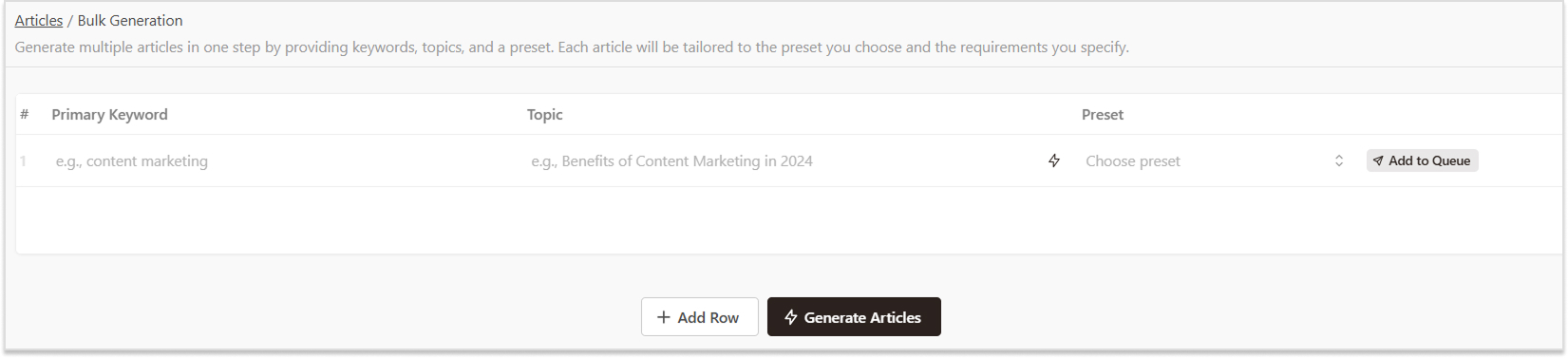
    3. Look at what terms top-ranking pages also rank for.
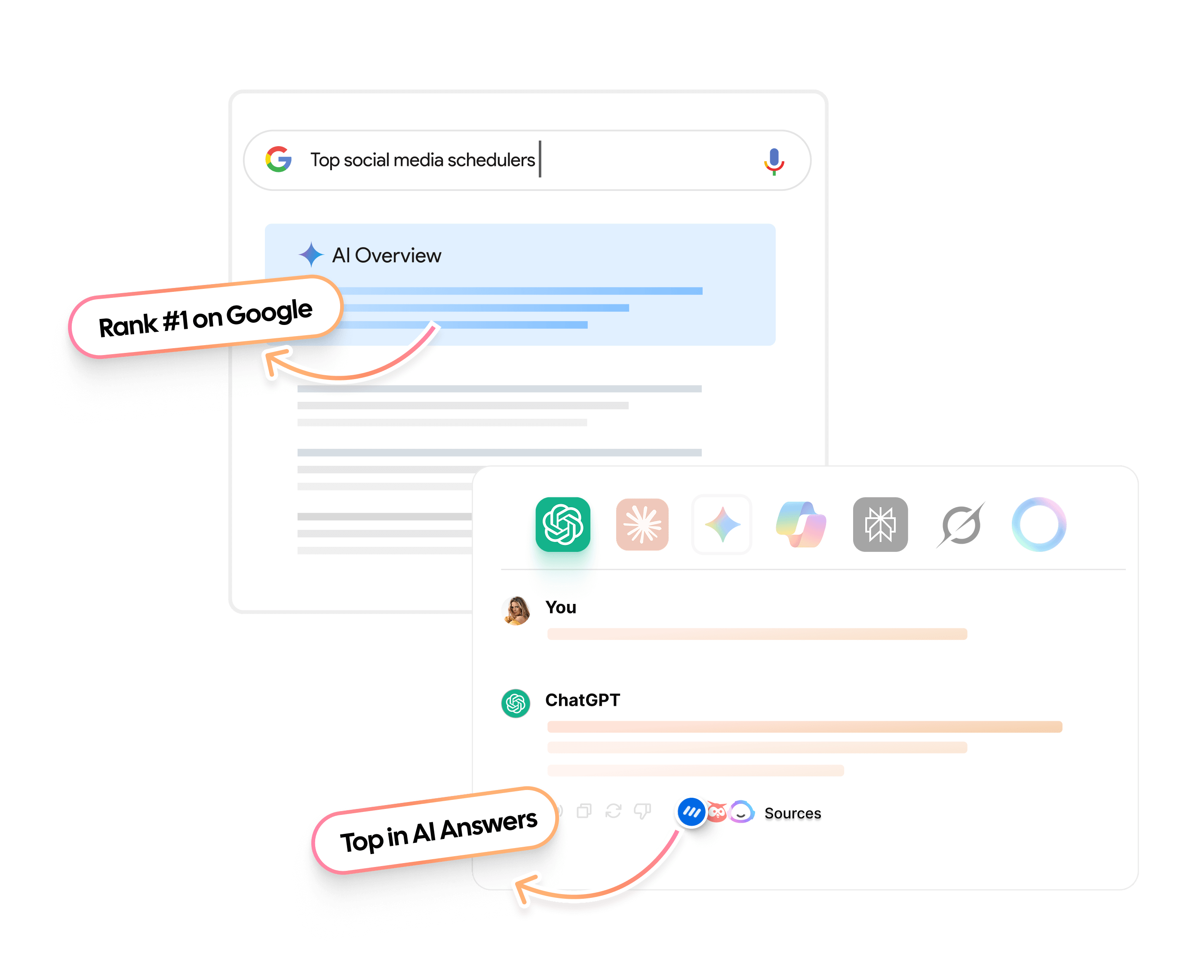
    4. Use Google Search Console to find terms your existing content ranks for.

    Optimization strategy:

    • Include in H2 and H3 subheadings.
    • Use naturally throughout the body content.
    • Add to image alt text and captions.
    • Use as an internal link’s anchor text.

    10. Semantic (LSI) keywords

    Semantic keywords are terms and phrases conceptually related to your primary keyword. They aren’t just synonyms; they are entities that search engines expect to see when a topic is covered comprehensively. Including these helps search engines verify that your content provides genuine depth rather than just surface-level information.

    Examples:

    If your primary keyword is “email marketing best practices,” then semantic keywords may include:

    • “email best practices for employees”
    • “B2B email best practices”
    • “email automation workflows”
    • “A/B testing emails”
    • “email deliverability”

    How to find them:

    1. Analyze the “Related searches” or “People also search for” results at the bottom of Google search results.
    2. Look at the bolded words in the meta descriptions of top-ranking competitors.
    3. Use specialized semantic research tools to identify missing “entities” in your content.
    Where to find semantic keywords on a Google search

    Optimization tips:

    • Sprinkle them naturally where they add value to the reader.
    • Avoid keyword stuffing. The goal is to build a topical map, not hit a density percentage.
    • Use these terms to help AI models (GEO) categorize your content correctly.

    Keywords by competition level and opportunity

    Understanding keyword difficulty helps you prioritize your efforts.

    11. Low-competition keywords

    Keywords that are relatively easy to rank for due to lower competition from other websites.

    Characteristics:

    • Lower keyword difficulty scores (typically under 30).
    • Fewer high-authority sites ranking.
    • Often longer, more specific phrases.
    • May have lower search volume but higher conversion potential.

    Examples:

    • “Best project management software for remote teams under 50 people”
    • “How to optimize a Shopify store for voice search”
    • “Email marketing automation for B2B SaaS companies”

    How to find them:

    1. Use keyword difficulty filters in SEO tools (set max difficulty to 20-30).
    2. Target long-tail variations of competitive terms.
    3. Look for newly trending topics before they become competitive.
    4. Focus on niche-specific terms in your industry.

    Strategic advantages:

    • Faster ranking results for new websites.
    • Higher chance of reaching page 1.
    • Often, more targeted, qualified traffic.
    • Suitable for building initial authority and traffic.

    12. Zero-volume keywords

    Zero-volume keywords are hyper-specific terms that keyword tools report as having “0” monthly searches. In reality, these terms often drive the most qualified traffic because they are so specific that they face almost no competition. They represent highly motivated users with very particular needs.

    Examples:

    • “Email marketing automation for B2B SaaS”
    • “Best organic dark roast coffee for Aeropress cold brew”
    • “How to integrate ContentStudio with CRM”

    How to find them:

    1. Pay attention to specific phrasing used in niche communities or professional Slack groups.
    2. Look at your own internal site search data to see what users are searching for on your site.
    3. Use “wildcard” searches in Google Autocomplete to find long-tail gems that tools might miss.
    Zero-volume keyword example

    Optimization tips:

    • Don’t let the “0” search volume discourage you; if it’s a real-world problem, someone is searching for it.
    • Aim to be the only comprehensive resource on the internet for that specific query.
    • Group multiple related zero-volume terms into one “Ultimate Resource” for a specific niche.

    13. Trending (seasonal) keywords

    Search terms experiencing rapid growth in search volume are often related to current events, new technologies, or seasonal trends.

    Examples:

    • “ChatGPT for business” (emerged in 2025)
    • “iOS 26 features” (seasonal around Apple releases)
    • “Sustainable packaging solutions” (growing environmental trend)
    • “Remote work productivity tools” (grew during pandemic)

    How to identify them:

    1. Use Google Trends to spot rising search terms.
    2. Monitor social media for emerging topics in your industry.
    3. Check keyword tools for terms with growth indicators.
    4. Follow industry news and technological developments.
    5. Set up Google Alerts for industry keywords.
    Google Trends shown with trending keywords

    Why they’re valuable:

    • Lower competition in the early stages.
    • Opportunity to become an authority on new topics.
    • Potential for viral content and backlinks.
    • Can establish thought leadership.

    Risks to consider:

    • Maybe temporary trends with short lifespans.
    • Could become highly competitive quickly.
    • Might not have lasting search volume.
    • May not align with your business goals.

    Keywords by brand association

    Brand-related keywords require different strategies depending on ownership.

    14. Branded keywords

    Branded keywords are search terms that include your brand name, product names, or other branded terms specific to your company. These keywords typically have high conversion rates since users already know your brand, are easier to rank for because you own the brand, and are essential for brand protection and control. They often indicate bottom-funnel traffic with strong purchase intent.

    Examples:

    • “Nike running shoes”
    • “Mailchimp email templates”
    • “Contentstudio free tools”
    • “Tesla Model 3 review”

    How to optimize for them:

    1. Ensure your official pages rank #1 for brand terms.
    2. Create pages for brand + product combinations.
    3. Monitor for negative content ranking for your brand terms.
    4. Optimize for brand + location combinations if relevant.

    Types of branded keywords to target:

    • Brand name alone
    • Brand + product categories
    • Brand + “review,” “pricing,” “features”
    • Brand + location modifiers
    • Common misspellings of your brand
    Branded keyword example - Contentpen.ai

    15. Non-branded keywords

    Non-branded keywords are generic terms that don’t include any specific brand names but relate to your industry, products, or services. They’re essential for capturing users who are unfamiliar with your brand, typically have higher search volume than branded terms, and are crucial for market expansion and establishing authority in your category. While usually more competitive, they’re essential for long-term growth.

    Examples:

    • “Email marketing software” (instead of “Mailchimp”)
    • “Running shoes” (instead of “Nike running shoes”)
    • “Project management tool” (instead of “Asana”)
    Non-branded keyword example

    Competition considerations:

    • Usually, more competitive than branded terms.
    • Require stronger content and SEO efforts.
    • May have lower initial conversion rates.
    • Important for long-term growth.

    Keywords by location

    Local and geographic keywords are crucial for location-based businesses.

    16. Local keywords

    Local keywords are search terms that include specific geographic locations, such as cities, neighborhoods, or regions. They’re essential for local businesses, often trigger Google’s local pack results, usually have high commercial intent, and face less global competition. These keywords are crucial for companies that serve specific geographic areas and want to attract nearby customers.

    Examples:

    • “Pizza delivery Manhattan”
    • “Dandelion chocolate, San Francisco”
    • “Wedding photographers San Francisco”
    • “SEO agency London”

    Types of local keywords:

    • Service + city (“plumber Boston”)
    • Service + neighborhood (“hair salon SoHo”)
    • Service + “near [landmark]” (“coffee shop near Central Park”)
    • Service + zip code (“restaurants 90210”)

    How to find them:

    1. Combine your primary services with local area names.
    2. Use Google My Business insights to see how people find you.
    3. Check local competitor websites for the location terms they target.
    4. Use local keyword research tools, or tools like the AI writer online, to help you cluster keywords by location, intent type, competition level, brand association, or SEO strategy. 

    Automated keyword research

    Work on keywords worth writing, for

    Get search terms with real ranking potential, not just high volume.

    Try Keyword Research for FREE
    AI SEO Interface

    17. “Near Me” keywords

    “Near Me” keywords are search queries where users add “near me” to find local businesses or services in their vicinity. These keywords have extremely high commercial intent, representing mobile-first searches with immediate needs that often lead to same-day visits or purchases, and are growing rapidly with the adoption of voice search. They’re invaluable for local businesses seeking to capture customers who are ready to take immediate action.

    Examples:

    • “Coffee shops near me”
    • “Auto repair near me”
    • “Gyms near me”
    • “Italian restaurants near me”

    Optimization strategies:

    • Ensure Google My Business (GMB) is fully optimized.
    • Include location information throughout your website.
    • Create location-specific landing pages.
    • Optimize for mobile and page speed.
    • Encourage customer reviews and local citations.
    Near me type of keyword example shown on Google for an Italian restaurant

    Other types of keywords you should know in 2026

    While we’ve covered the foundational SEO keywords for success in 2026, there are still some other types of keywords that you should know.

    18. Question-based keywords

    Question-based keywords are search queries phrased as direct questions. They reflect users looking for clear answers, definitions, or step-by-step guidance. These keywords are especially powerful for brands wanting visibility in Featured Snippets, “People Also Ask” boxes, and AI-generated search results.

    Examples:

    • “What is domain authority?”
    • “How does Google rank websites?”
    • “Why is my website not getting traffic?”
    • “Can you rank without backlinks?”

    Intent signals: Words such as “what,” “how,” “why,” “when,” “where,” and “can.”

    Content formats: FAQ pages, definition-style articles, structured blog posts, how-to guides.

    How to find them:

    1. Use Google’s “People Also Ask” feature.
    2. Analyze Google’s Autocomplete suggestions when typing question phrases.
    3. Browse Reddit, Quora, and niche forums.
    4. Use AnswerThePublic for question variations.
    Question-based keyword example shown

    Optimization tips:

    • Answer the question directly in the first paragraph.
    • Use the exact question as an H2 or H3 heading.
    • Keep answers concise before expanding into a deeper explanation.
    • Add FAQ schema markup where appropriate.

    19. Problem-based Keywords

    Problem-based keywords target the specific pain points your audience is experiencing before they even know your product is the solution. These are often high-conversion terms because they attract users who are actively looking for a way to fix a frustrating issue.

    Examples:

    • “Why is my website loading slowly?”
    • “How to stop coffee beans from going oily.”
    • “Computer making a loud fan noise.”

    Intent signals: Contain words like “fix,” “problem,” “issue,” “why is,” or “help with.” 

    Problem-based keyword example

    Content formats: Troubleshooting guides, fix-it tutorials, and deep-dive case studies.

    How to find them:

    1. Search industry-specific forums for common user complaints and frustrations.
    2. Ask your customer support or sales team for the most frequent issues customers report.
    3. Analyze search queries that include negative modifiers like “broken” or “not working.”

    Optimization tips:

    • Acknowledge the user’s frustration early in the content to build immediate trust.
    • Provide a clear, step-by-step solution that naturally leads to your recommended tool or service.
    • Use instructional headings that clearly describe each stage of the solution.

    20. Evergreen keywords

    Evergreen keywords are search terms that maintain consistent interest and search volume over a long period. Unlike trending keywords that spike and fade, evergreen terms provide a steady, predictable stream of traffic for years, forming the sustainable core of your SEO strategy.

    Examples:

    • “How to lose weight”
    • “History of the Roman Empire”
    • “Basic accounting principles”
    • “How to tie a tie.”

    Intent signals: Foundational topics that aren’t tied to a specific year, trend, or software version. Content formats: Ultimate guides, “What is” articles, and foundational “How-to” pages.

    How to find them:

    1. Check Google Trends for a steady, flat line over a 5-year period.
    2. Identify “timeless” pain points in your industry that don’t change with technology.
    3. Target fundamental industry pillars that beginners will always need to learn.

    Optimization tips:

    • Periodically update the content with fresh images or data to maintain its “freshness” score.
    • Use a generic URL structure (e.g., /seo-basics/ instead of /seo-basics-2025/).
    • Build a strong internal linking structure toward these pages to maintain their authority over time.

    How to find and use different types of keywords

    To have a successful SEO strategy, you need to combine all types of keywords by utilizing the following methods:

    • Google Autocomplete: Start typing your seed keyword in Google and note the suggestions that appear. These represent real searches people are making.
    • People Also Ask: Look for the expandable questions that appear in search results. Each question represents a potential keyword opportunity.
    • Related Searches: Scroll to the bottom of Google search results to find related search terms. Use these naturally throughout your content to rank better in SERPs.
    • Google Search Console: Check what keywords your website already ranks for. Look for opportunities to optimize for terms that rank on the first two pages of the search results.
    • Competitor Analysis: Visit your competitors’ websites and note the terms they use in titles, headings, and body content. Some of them might be question-based, while others can be branded, trending, semantic, and other types of keywords.
    • Use Contentpen: Our tool automatically recognizes ranking opportunities for you by analyzing your website and competitor details in the niche. You can directly use these different types of keywords together to make a high-ranking blog post immediately.

    Turn existing content into growth opportunities

    check

    Identify pages losing traffic or CTR

    check

    Find quick wins to improve clicks and rankings

    Find Content Opportunities
    AI SEO Interface

    Measuring keyword performance

    Implementing keywords is not that straightforward. You need to consistently monitor keyword positions to understand where they stand in the space and what can be done to improve or maintain them.

    Key metrics to track

    1. Rankings: Monitor position changes for target keywords to see if your optimization efforts are working. Track both individual keyword positions and overall ranking trends.

    2. Organic Traffic: Track search traffic from different keyword groups to understand which types of keywords drive the most visitors to your site.

    3. Click-Through Rate (CTR): Measure how compelling your titles and meta descriptions are by monitoring what percentage of people click on your results when they appear in search.

    4. Conversion Rate: Track which keywords drive the most valuable actions (purchases, signups, downloads) to focus your efforts on high-converting terms. Conversely, you could also take a look at the bounce rate.

    5. Search Impression Share: See how often you appear for target terms compared to total search volume, helping identify growth opportunities. This metric is also known as share of voice in the online space.

    Tools for tracking

    These are some of the most useful tools for keyword tracking you can use today to rank higher on both search engines and AI discovery platforms.

    1. Contentpen

    Keyword clusters and discovery options - Contentpen.ai
    1. This SEO platform offers AI-powered keyword discovery and content optimization.
    2. Comprehensive keyword analysis with real-time, updated search volume data.
    3. Topical cluster creation based on your needs, helping you target more keyword options.

    2. Google Search Console

    1. Free tracking of rankings, impressions, and clicks.
    2. Shows which keywords already drive traffic to your site.
    3. Identifies opportunities for improvement.

    3. Usermaven

    1. Detailed traffic and conversion tracking.
    2. Revenue attribution to specific keywords.
    3. User behavior analysis for keyword-driven traffic.
    Usermaven as a keyword tracking tool

    4. Semrush

    • Automated position monitoring for target keywords.
    • Historical ranking data and trend analysis.
    • Competitor ranking comparisons.

    5. Ahrefs

    • Ongoing opportunity identification.
    • Search volume and competition tracking.
    • New keyword discovery and trend monitoring.

    Conclusion

    A successful keyword strategy isn’t about ranking for the most keywords; it’s about ranking for the right keywords that drive qualified traffic and conversions for your business.

    The SEO landscape continues evolving, but focusing on user intent and providing genuine value will always be the foundation of effective keyword targeting. Use this guide as your roadmap, but always prioritize creating content that genuinely helps your audience. 

    Start by auditing your current content against these keyword types, first identifying gaps in your strategy, and then begin creating content that targets the most valuable opportunities for your business.

    Frequently asked questions

    What are the 4 different types of keywords?

    The four main 4 different types of keywords for SEO are commercial, transactional, navigational, and informational. 

    How many keyword types should I target on each page? 

    There is no set pattern with this. But generally speaking, focus on a single primary keyword per page, followed by a mix of secondary, semantic, and other relevant keywords where contextually relevant.

    What is keyword cannibalization?

    Keyword cannibalization occurs when multiple pages on the same website target the same keyword or very similar keywords, causing them to compete with each other in search results.

    Should new websites avoid competitive keywords entirely? 

    Not entirely, but prioritize long-tail and low-competition keywords first. As your site gains authority, gradually target more competitive terms.

    How often should I update my keyword strategy? 

    Review quarterly for major updates, but monitor performance on a monthly or weekly basis. Industry trends, seasonality, and algorithm changes may require more frequent adjustments.

    Can one keyword fit multiple types?

    Absolutely. For example, “best coffee maker 2026” is a commercial intent, medium-tail length, and non-branded term. Understanding all applicable types helps with strategic decisions and how you can use them together for better results.

    What’s the most essential keyword type for new businesses? 

    Start with informational long-tail keywords to build authority and traffic, then gradually incorporate commercial and transactional terms as your content library grows.