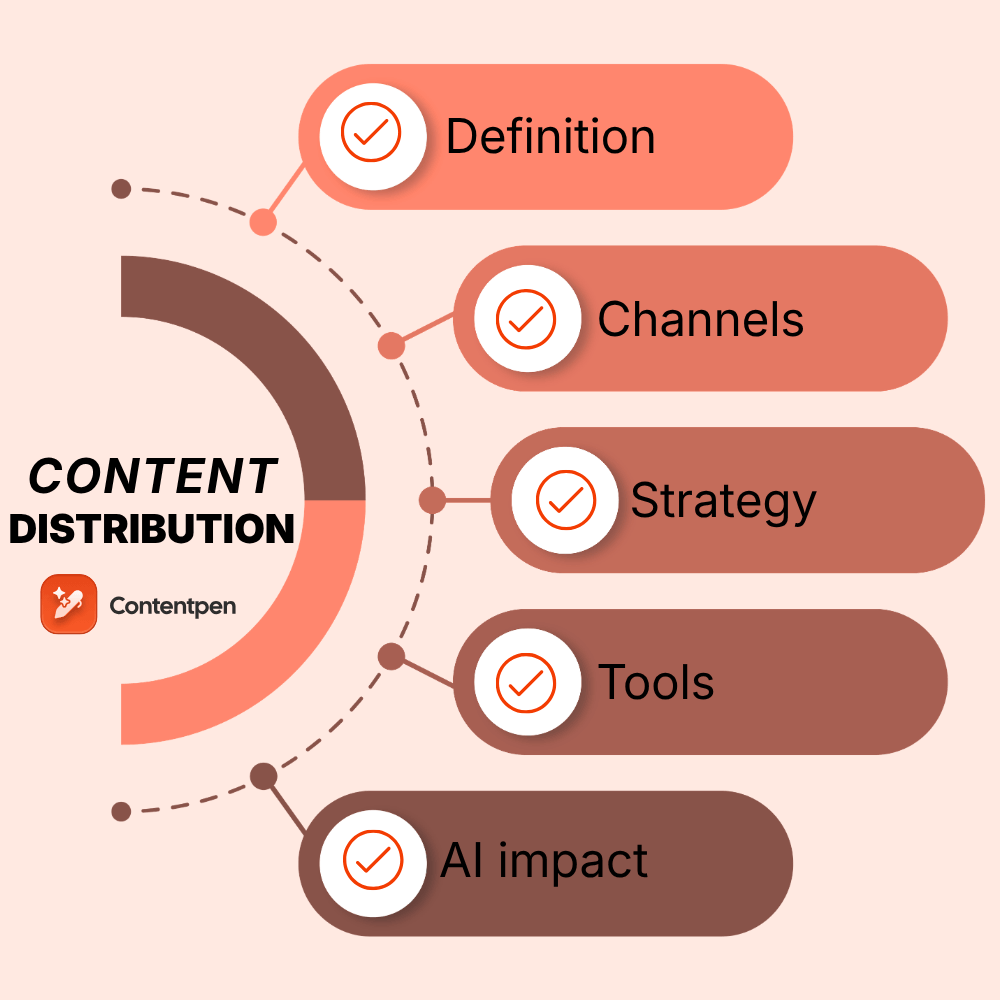
Content distribution is the active, strategic process of getting your content in front of the right people through specific channels at the right time.
You can publish the smartest blog post or video and still watch it fade away if nobody actually sees it. That is the gap content distribution fills for you.
This guide walks you through how a clear content distribution strategy turns isolated posts into a steady system that drives traffic, leads, and revenue across search, social, email, and paid campaigns.
You will also see how AI changes discovery, and where Contentpen fits in as your content creation tool.
Keep reading to move your content from “posted and forgotten” to a repeatable distribution machine that runs across every channel you care about.
What is content distribution and why does it matter in 2026?
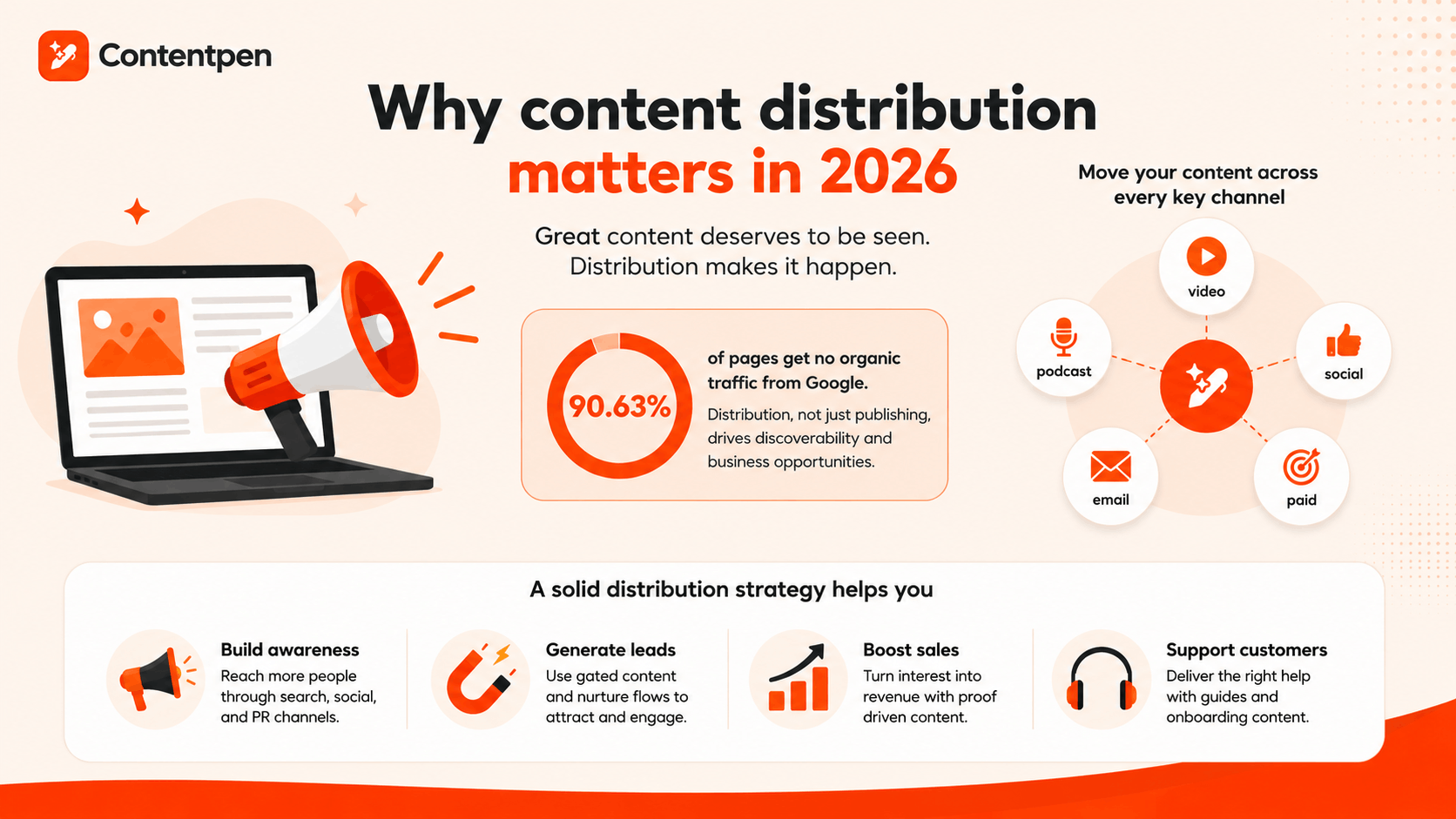
Content distribution in content marketing is the planned process of sharing and promoting content across multiple channels so your audience can actually find and interact with it.
In 2026, it is not enough to just hit publish on a blog post and pray for organic traffic or AI visibility. You have to move each piece of content through video, podcast, social, email, and paid channels.
According to SEO Works, about 90.63% of pages get no organic traffic from Google, and research confirms that even open access publications struggle to attract visitors.
This stat highlights how distribution, not just publishing, drives discoverability and therefore more business opportunities.
If you have a solid content distribution plan implemented, you can:
- Spread brand awareness through search, social, and PR channels
- Generate leads with gated content and nurture flows
- Boost sales with case studies and comparison guides
- Ensure customer success with help guides and onboarding resources
A clear strategy matters even more as AI search, social media distribution, and video content distribution all compete for attention.
What are the 3 core content distribution channels?
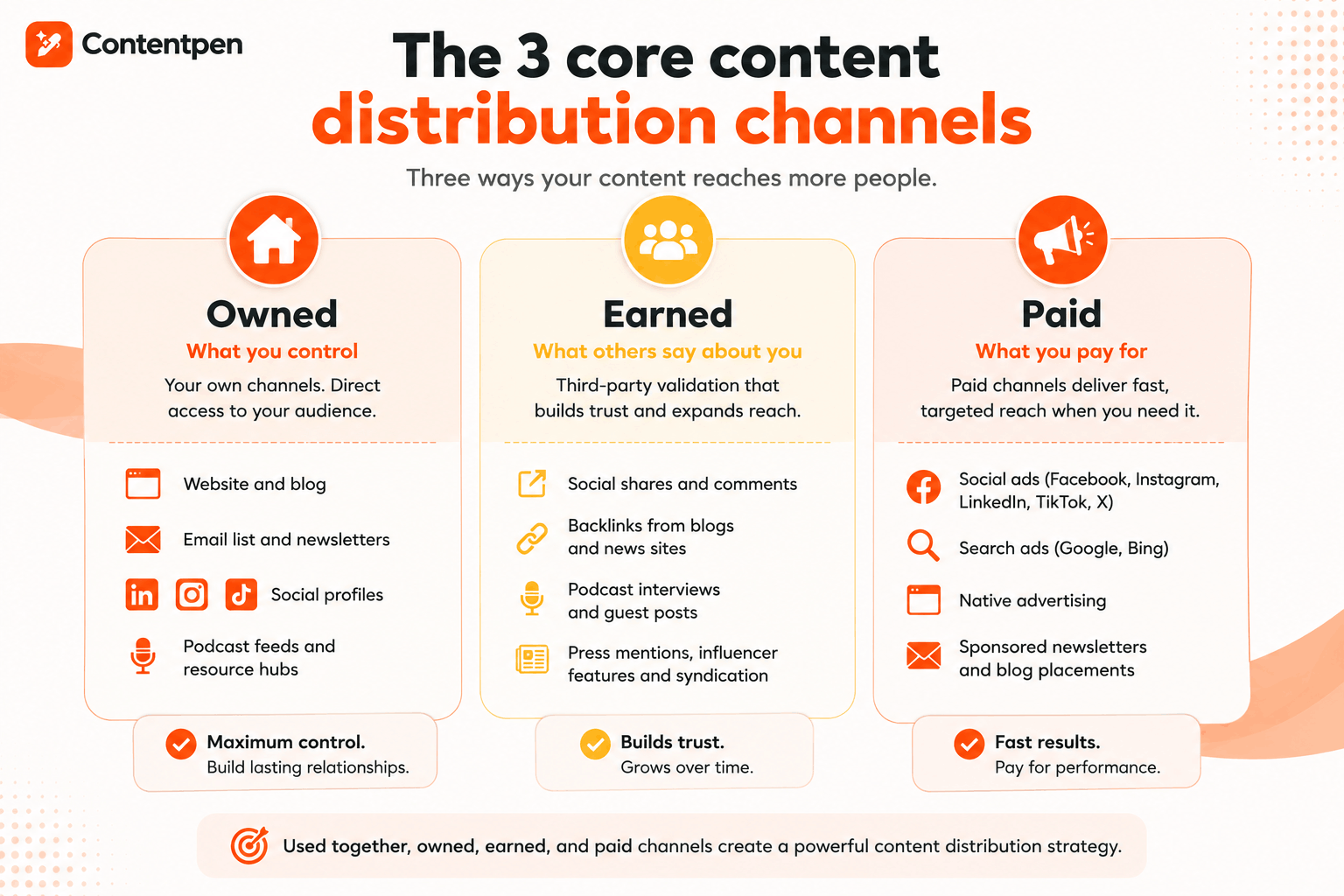
The three core content distribution channels are owned, earned, and paid. Together, they give you a simple way to map where your content travels and how it reaches new people.
Each channel group plays a different role in your content strategy:
- Owned channels are the foundation of content marketing. They are a direct way of reaching your customers.
- Earned channels give you reach and trust you cannot buy directly.
- Paid channels add a fast, targeted audience when you need it through the pay-per-click model.
Now let’s see each of these channels in more detail.
Owned channels: what you control
Owned channels are the ones you control directly. They include your:
- Website and blog
- Email list and newsletters
- Branded social profiles on LinkedIn, Instagram, TikTok, and other platforms
- Podcast feeds and resource hubs
These are the first places you publish and organize content, from SEO blog posts to case studies and product updates.
The biggest strength of owned channels is control. You choose topics, timing, format, and calls to action. You can utilize a content distribution network (CDN) like Cloudflare on your site to accelerate online content delivery and build evergreen search traffic over time.
The tradeoff is reach.
You mostly speak to people who already follow or subscribe to you. Therefore, the idea of reaching the masses is not possible with owned media.
This is where SEO content creation pays off. Research from HubSpot shows that companies that publish 16+ blog posts each month get 3.5x more inbound traffic than those who don’t.
Earned channels: third-party validation
Earned channels cover content distribution that happens when others share or feature your work without direct payment. Examples include:
- Social media shares and comments
- Backlinks from blogs and news sites
- Podcast interviews and guest posts
- Press mentions and influencer features
- Content syndication on platforms like Medium or LinkedIn Articles
This kind of distribution works as social proof.
When an industry blog links to you or a creator shares your infographic, it signals trust that normal ads cannot match.
According to Nielsen, recommendations from people and editorial content rank far above ads for trust. Nearly 84% of people make a decision based on what they hear from their friends and family, which shows the significance of earned media.
That said, earned channels tend to grow slowly but compound over time. Thoughtful, link-worthy content feeds this engine, because writers, editors, and community members prefer to reference detailed, well-structured pieces.
Paid channels: immediate targeted reach
Paid channels refer to content distribution where you pay for placement. This covers:
- Social ads on Facebook, Instagram, LinkedIn, TikTok, and X
- Search ads on Google and Bing
- Native advertising with platforms
- Sponsored newsletter or blog placements
Paid content distribution gives you rapid access to specific audiences. You can promote the same webinar, ebook, or video campaign across different ad networks while testing offers for several types of audiences.
The tradeoff is clear. Results pause when your budget pauses, so you need to track metrics like cost per acquisition (CAC) and return on ad spend to see if this direction is worth it for you in the long run or not.
Here is a quick overview for paid content distribution platforms.
| Platform | Best use case |
| LinkedIn Ads | B2B leads, account-based targeting, high-intent content offers |
| Facebook and Instagram Ads | Broad B2C reach, remarketing, social media content distribution |
| TikTok Ads | Short video campaigns, younger audiences, creator-style content |
| Outbrain | Native promotion for blogs, whitepapers, and thought leadership on publisher sites |
The most effective teams blend all three content distribution channels to get benefits from both organic and paid traffic channels, without relying on a single source to survive.
How to build a content distribution strategy step by step
A strong content distribution strategy gives every asset a clear path from publish to pipeline. It connects audience research, content types, channels, and measurement into one plan. Without this, you are left with random posts and irregular campaigns, which may not provide results.
You do not need a complicated content distribution software stack to start. You do need a simple, written plan that your team or clients can follow.
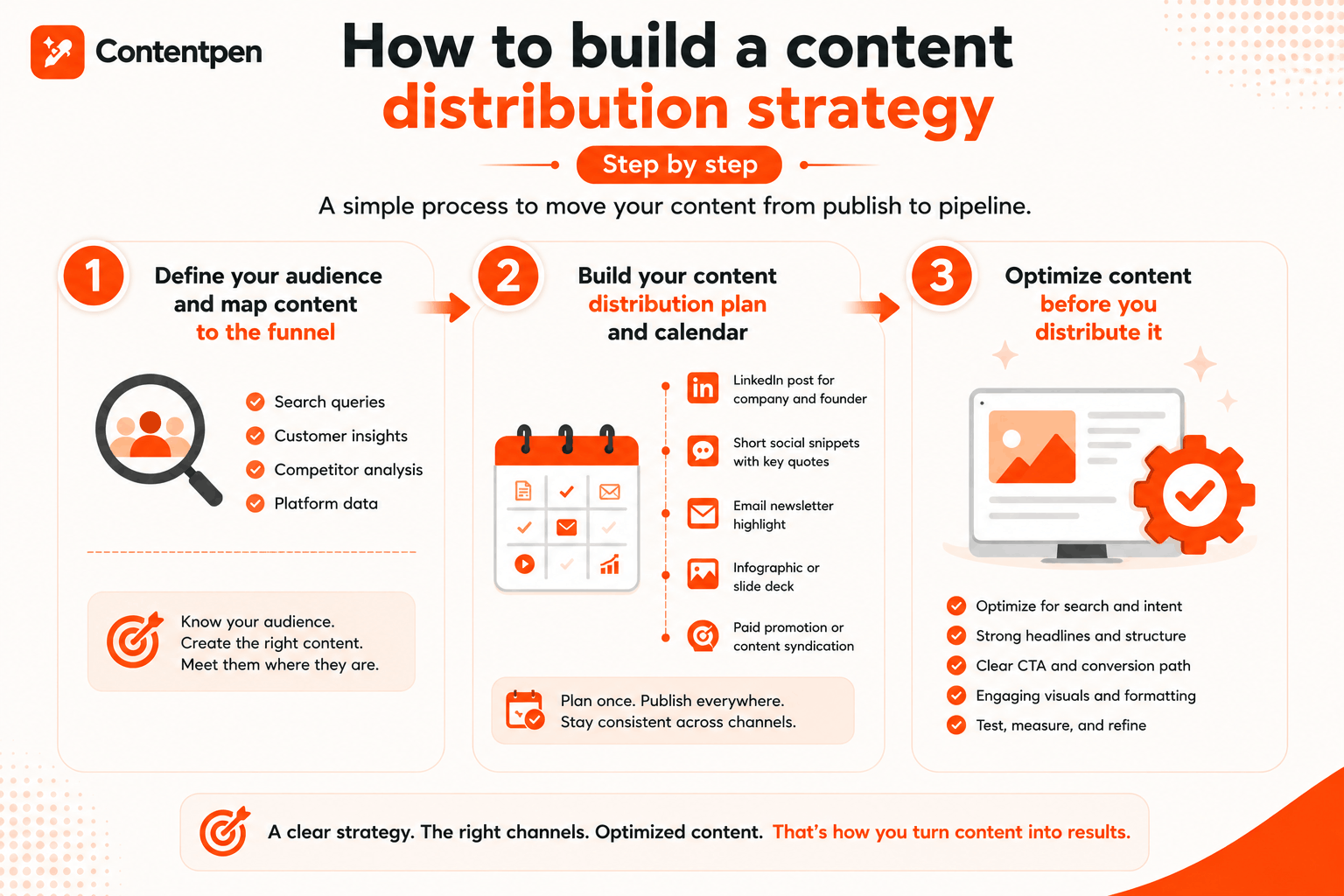
At a high level, you will:
- Define your audience and map content to the funnel.
- Build your content distribution plan and calendar.
- Optimize each piece before you distribute it.
The steps below give you a repeatable process you can apply whether you are a solo writer, part of a marketing agency, or leading an in-house content team.
#1: Define your audience and map content to the funnel
Your content strategy starts with a specific audience. You need to know who your audience is, where they spend time, and what problems they are trying to solve. Look at:
- Search queries in Google Search Console
- Customer interviews and sales call notes
- Competitor channels and engagement
- Platform data, such as LinkedIn insights or YouTube analytics
Once you have deep-level insight for your audience, map content to your funnel according to where most visitors are in their journey.
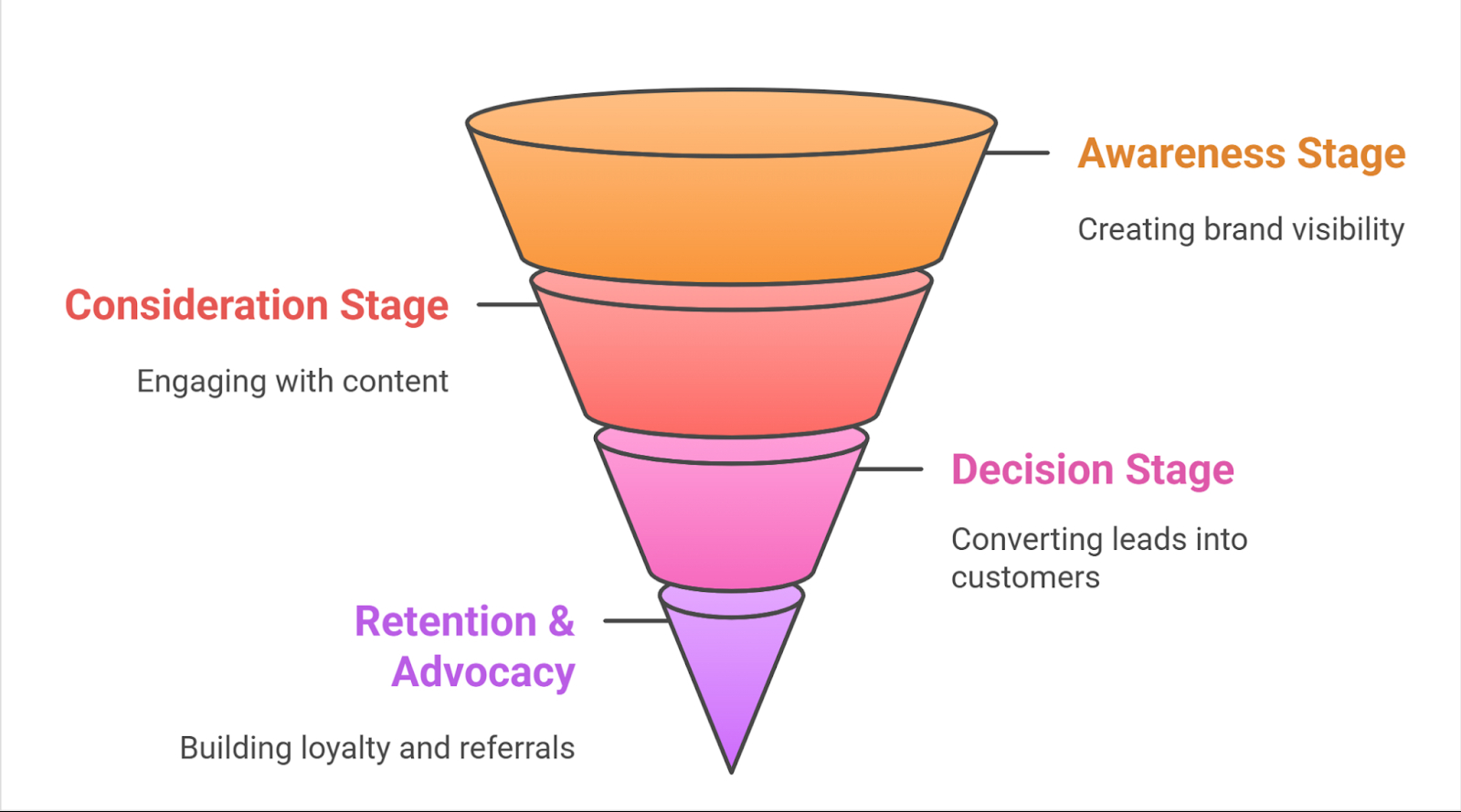
- Top of funnel (TOFU): For TOFU, create educational SEO posts, video explainers, and social threads that answer early questions that users might have.
- Middle of funnel (MOFU): At this stage, use an email series, webinars, and case studies that deepen trust and build awareness.
- Bottom of funnel (BOFU): BOFU is where users finalize their decisions. They want to see testimonials, product comparisons, pricing pages, and live demos to understand if a move is worth it or not.
Without this mapping, content distribution turns into guesswork. It is like mailing flyers without any addresses. You might find people, but it’s highly unlikely. And even if you do, they might not be ready to take your desired action.
With content mapped to each funnel stage, you can decide which content distribution channels and content types work for you, from YouTube and podcasts to newsletters and blogging.
Read more: The complete B2B content marketing guide.
#2: Build your content distribution plan and calendar
A content distribution plan describes what you publish, where it goes, when it appears, and who owns each step. Your calendar then lays this out over weeks and months, so content distribution jobs across writing, design, and media can stay in sync.
To build your content calendar, start from one core asset, such as an article or blog. From that single piece, schedule:
- A LinkedIn post for your company page and founder profile
- A series of short social snippets with pull quotes
- An email newsletter highlight with a strong call to action
- A short infographic or slide deck
- Timing for any paid promotion or content syndication on partner sites
If managing this omnichannel content delivery seems challenging, you can use tools like Contentpen for help.
The tool provides content planning and scheduling features that allow you to set up your calendar however you like.
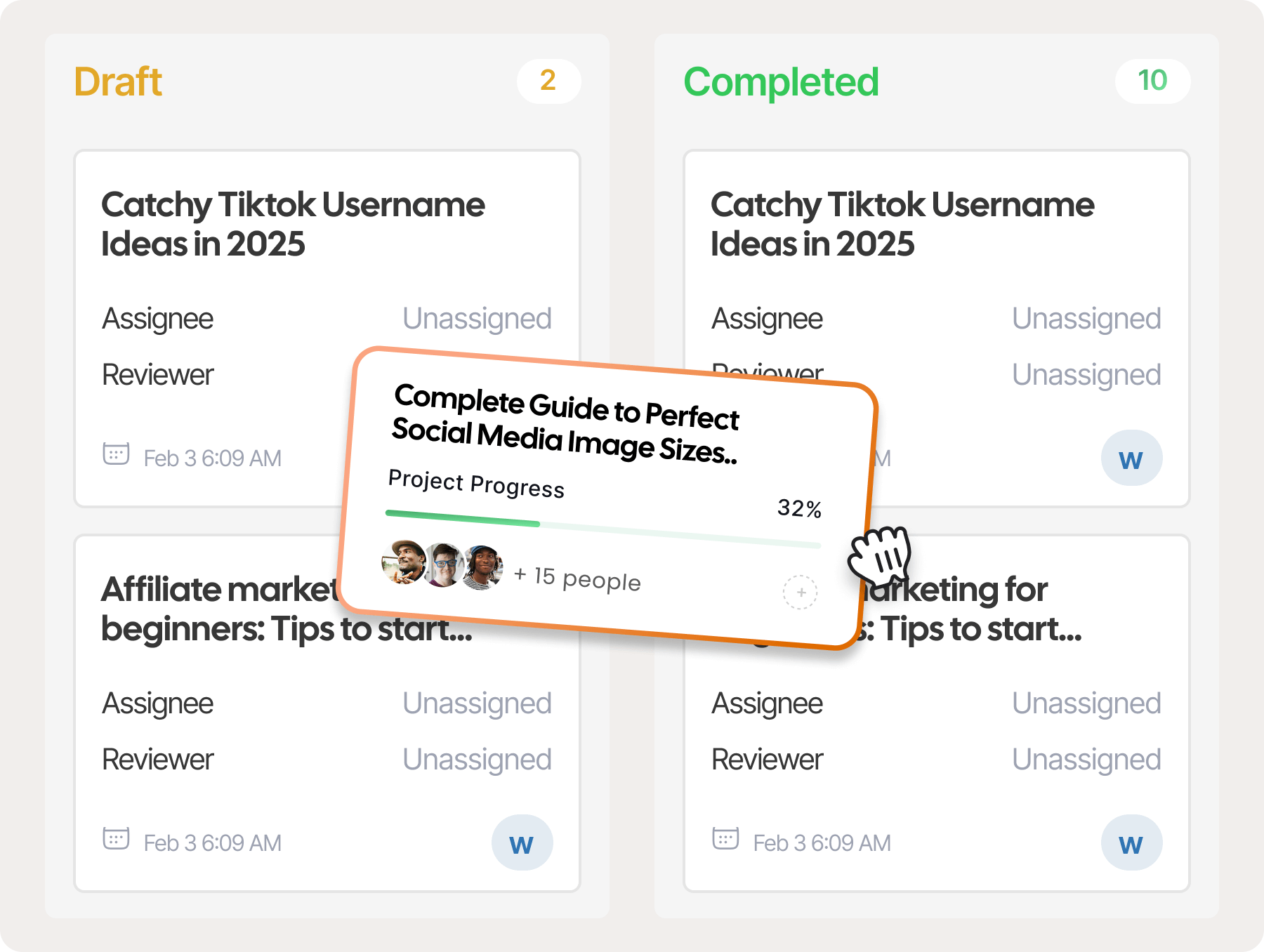
Once scheduled, you can post directly to social media platforms and major content management systems, like Ghost, WordPress, Wix, Webflow, and Shopify. The one-click publishing allows your teams to streamline content distribution without the overload.
#3: Optimize content before you distribute it
Before you push content into any channel, tune it for performance. This stops you from promoting assets that look good but fail to rank, convert, or hold attention.
Check three areas in particular:
SEO and GEO
Make sure you have a clear primary keyword defined for a page, related long-tail keywords, a strong meta title and description, and logical internal links in place.
Also read: The ultimate guide to optimized content marketing.
To further simplify this process, use our AI writing tool to create and optimize your content for search engines and AI visibility.
Structure and readability
According to the study by Harald Weinreich and its analysis by Jakob Nielsen, people only read about 20% of the text present on your webpage on average.
This number reveals that people just “scan” your pages and don’t go over them word-by-word. Therefore, you must present your information in a structured and readable manner.
Write short paragraphs, descriptive subheadings, and clean bullet lists to make your content skimmable and scannable. This makes your content look good on desktop and mobile, resulting in better read times and lower bounce rates.
Calls to action and next steps
Each asset should point toward a next step, whether that means another article, a newsletter signup, a webinar, or a product page.
Once you have your content optimized for SEO and GEO with proper structuring, answer-first format, and readability, you make it much easier for users to act on the CTA.
All of this turns your content distribution strategy into a guided path that drives revenue and keeps bringing in traffic.
What are the best content distribution tools?
Content distribution tools help you move faster with task automation and streamline processes for maximum productivity.
Let’s see these platforms in more detail according to the purpose they fill in your distribution pipeline and what you can expect from them.
Content creation
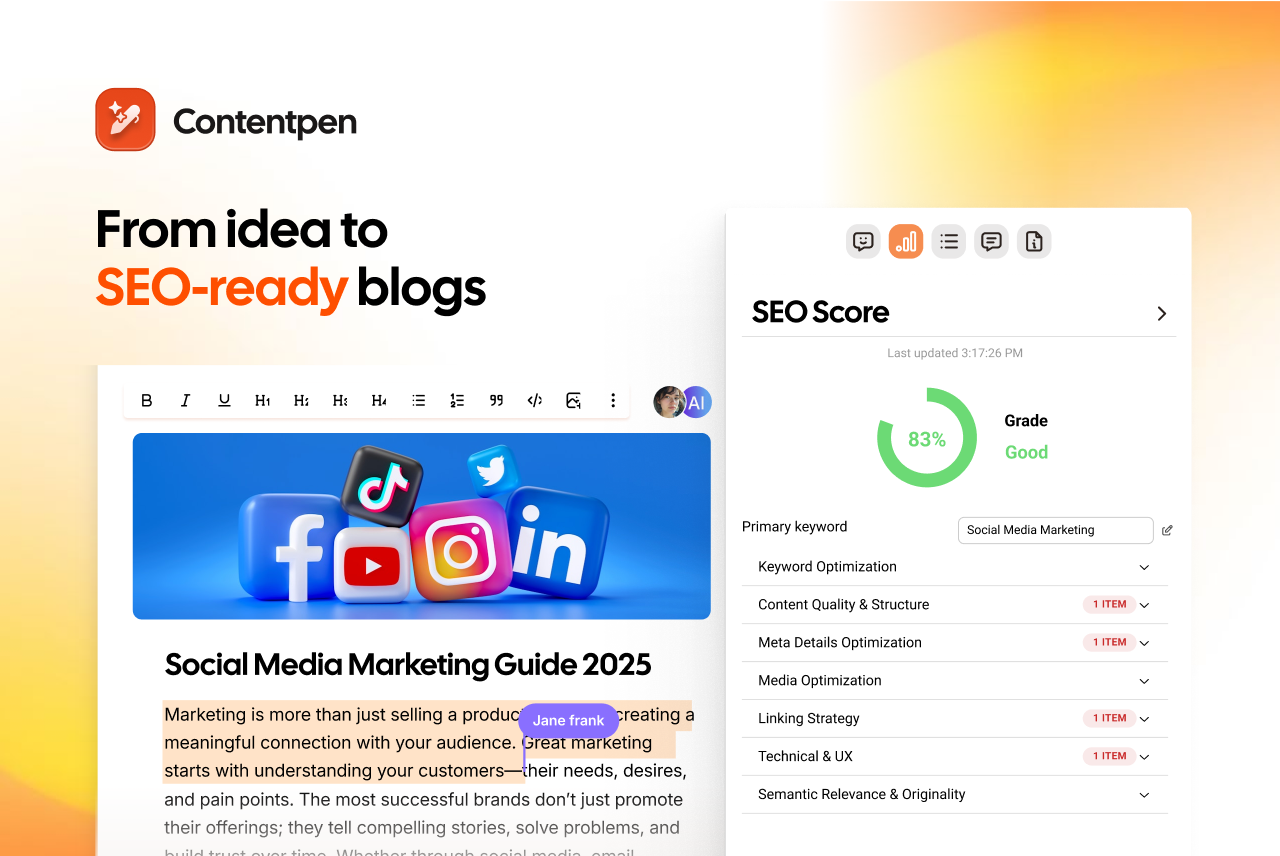
Contentpen is an AI-powered SEO- and GEO-friendly blog writer for marketing teams, agencies, and solo creators that we also use for content creation.
It helps you produce search- and AI-friendly articles with clear headings, smart anchor text, and interlink suggestions. That means every new piece is ready for content amplification across search, social, email, and paid campaigns without heavy rewrites or editing.
Write better blogs in less time, without sacrificing quality.
Let AI handle structure, clarity, and flow while you stay in control of the message.
Try AI blog writing →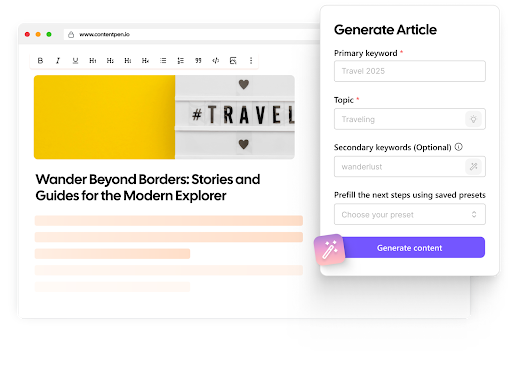
Social media management
There are multiple tools that we recommend in this category.
- Hootsuite
- Buffer
- ContentStudio (our pick)
Hootsuite works well for mid-size teams that manage many profiles and need approval flows. It combines bulk scheduling, listening, and analytics in one place.
Buffer fits lean startups and creators who want a clean interface, a simple queue, and an AI assistant to adjust copy for each channel.
Our personal favorite is ContentStudio, as it provides powerful Seedance 2.0 integration that allows high-quality video outputs.
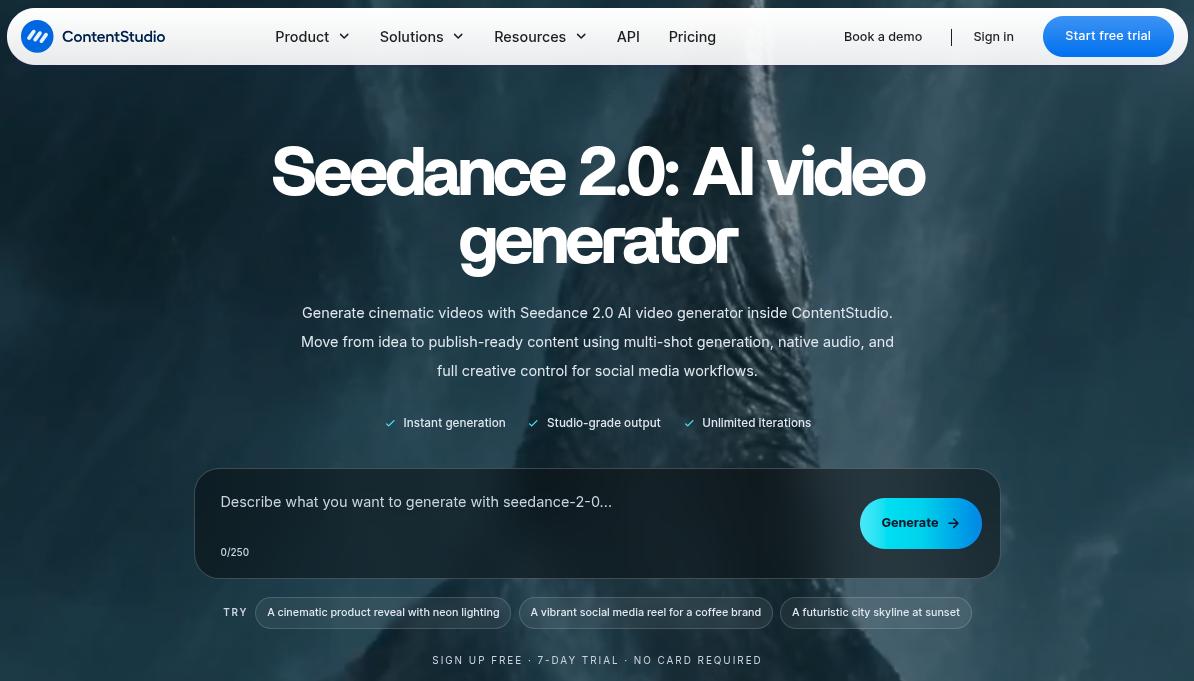
The tool also supports AI-powered analytics, image generation, and end-to-end social media scheduling in one place.
All of these tools help you manage social media distribution across networks from one dashboard, which eliminates a lot of the manual work.
Email marketing and nurture
For emails, we have the following options:
- Mailchimp (our pick)
- Customer.io
- Saleshandy
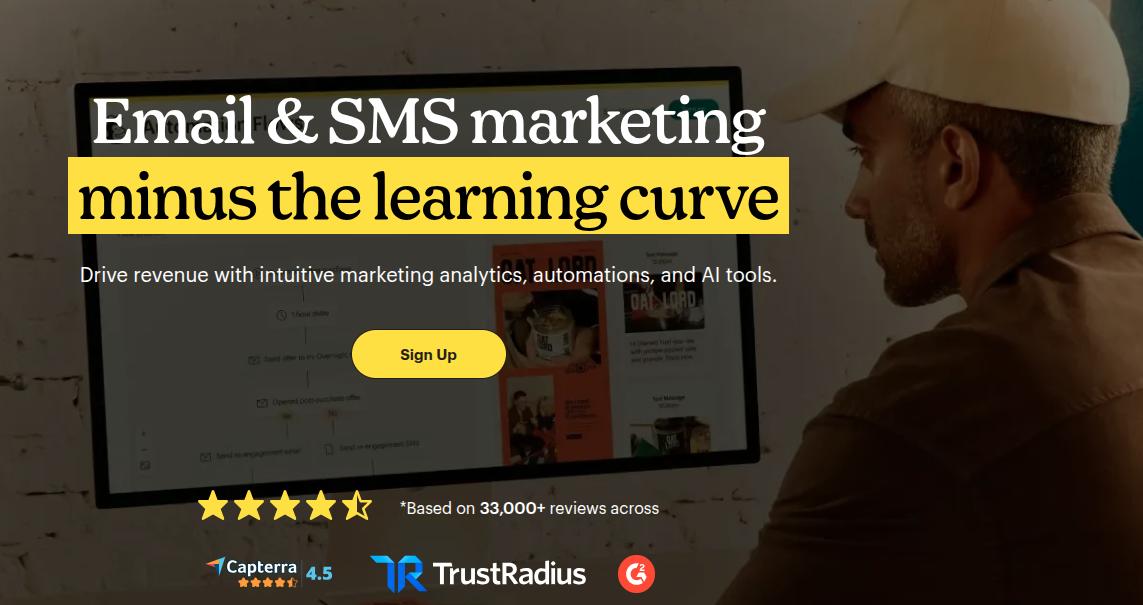
We personally prefer Mailchimp as it supports newsletters, automated journeys, and behavior-based campaigns. Its Content Optimizer reviews subject lines and body copy against millions of sent campaigns, which gives you an idea of what works and where.
According to Mailmend, 65% of email opens occur on mobile phones, which means that you need email tools like Mailchimp to ensure responsive design and accurate content delivery.
CRM centered platforms
Customer relationship management tools are essential for a content distribution plan. You need to check how leads trickle down from each stage of the funnel, where they feel the most resistance, and ways to tackle and respond to customer feedback.
For this category of content distribution tools, we have the following options:
- HubSpot
- Zoho (our pick)
- Salesforce
- Omnisend
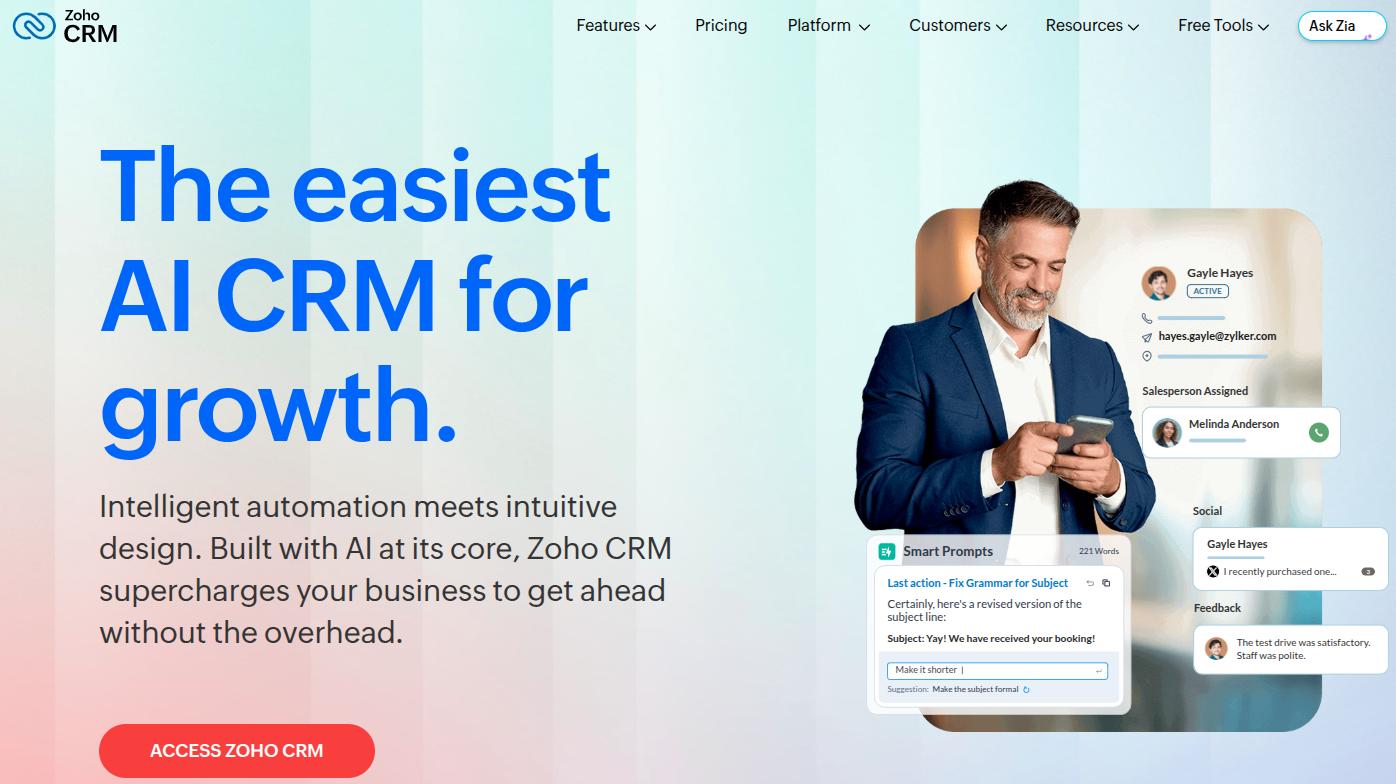
We use Zoho for our content operations because it’s easy to use and set up. Sure, you can use complex tools, such as Salesforce, but these are not that helpful for small businesses or agencies that need quick, cheap solutions.
Native advertising and paid amplification
Native advertising is important for content distribution to get yourself on editorial feeds and improve engagement rates.
Some of the few tools that our team has tried and tested in the past are as follows:
- Outbrain (our pick)
- Taboola
- RevContent
Outbrain places your articles, videos, or guides inside feeds on publisher sites. Its AI tools test headline and image combinations to improve click-through rates.
This is useful when you want to distribute video content or long-form posts to people who read related topics on news or niche sites.
Even though RevContent is known for stricter publisher quality controls and driving higher engagement rates, the problem is that it requires a fairly decent minimum daily budget to function.
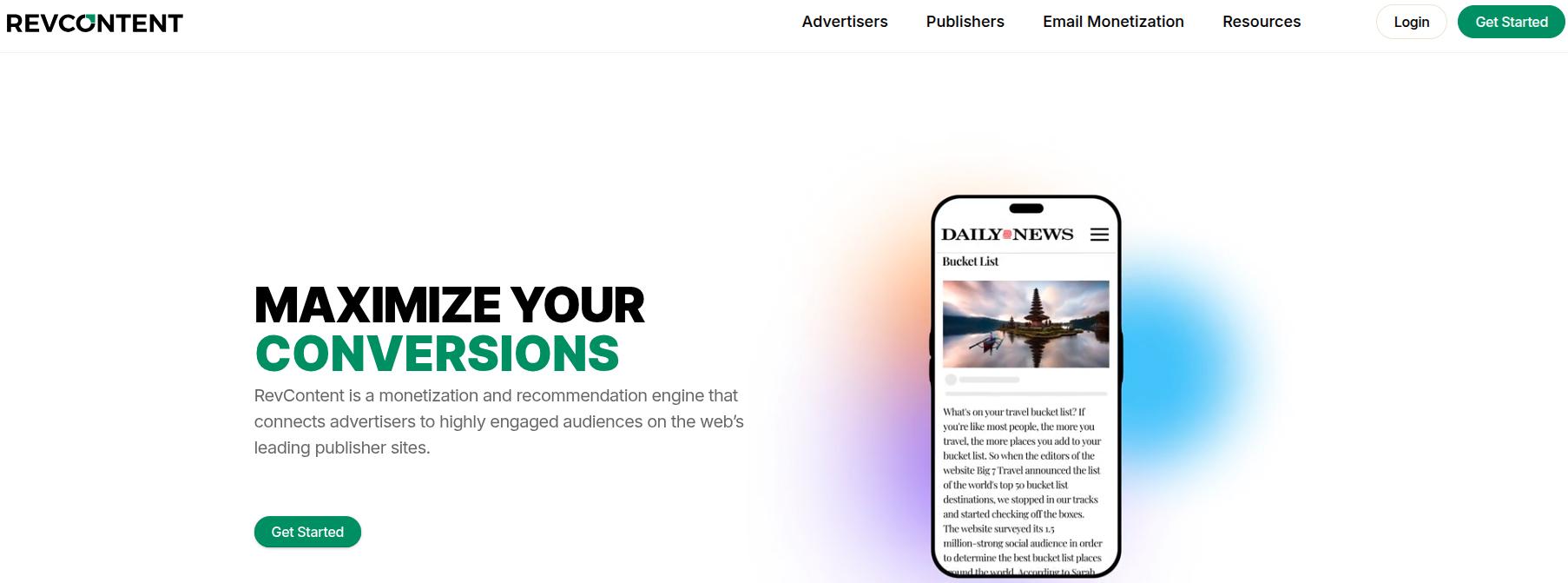
This makes it unsuitable for beginners looking to explore paid content amplification with limited ad budget.
Also read: 27 best content marketing tools to use in 2026.
Enterprise asset and cross-channel tools
Cross-channel tools are at the heart of many content distribution plans. These tools provide granular access control for content and are mostly used by large-scale enterprises to maintain a smooth workflow.
Some options that come to mind:
- Box (our pick)
- Insider
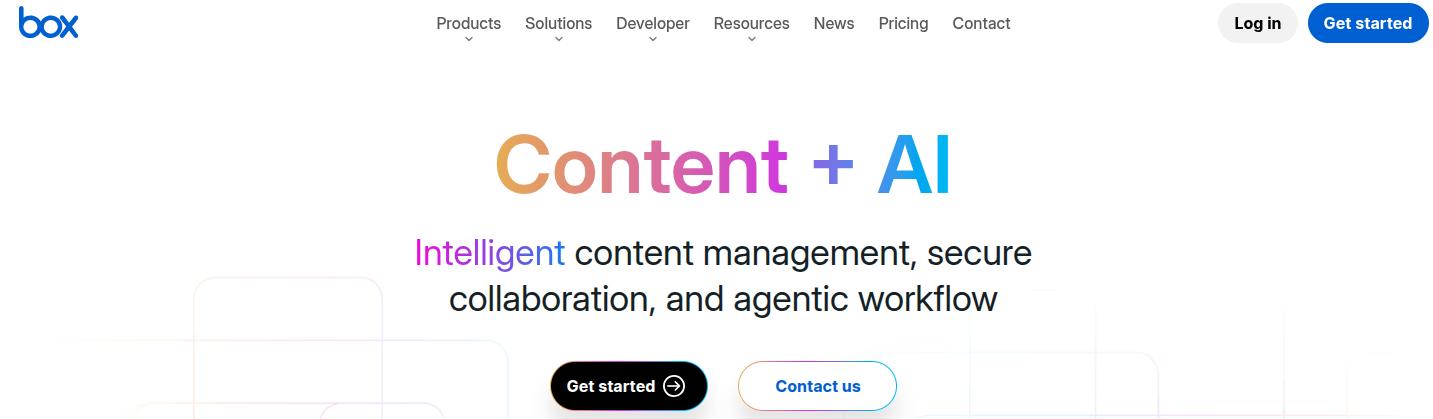
Box serves as a secure content hub where teams store and share assets with strict access control. It is a powerful AI content distribution software with an agentic workflow that helps you open, edit, and create files directly from the web browser.
On the other hand, Insider helps brands send the right message through web, mobile, email, SMS, and WhatsApp channels based on user behavior.
For teams that support omnichannel content delivery at scale, these tools keep files organized and experiences consistent.
How to measure content distribution success
Measurement keeps your strategies grounded in reality. Without clear numbers, you will not know whether social media posts, native ads, or email campaigns support pipeline or just look busy without driving results.
Good tracking also makes budget talks easier. When you know which content distribution platforms produce leads at an acceptable cost, you can defend spend and cut what does not work for you.
Below are some of the key terms that you need to know to report a successful content distribution campaign:
- Website traffic: Track sessions, unique visitors, and pages per session, broken out by source such as organic search, referral, social, email, and paid. This shows which channels send visitors and how engaged those visitors feel.
- Social and email engagement: On social, watch likes, comments, shares, saves, and link clicks. In email, look at open rate, click-through rate, and unsubscribe rate. These signals tell you if your content works or needs different stories to work.
- Conversion-based metrics: Conversion rate connects distribution to real outcomes such as signups, demo requests, or sales. Cost per acquisition also matters for paid campaigns.
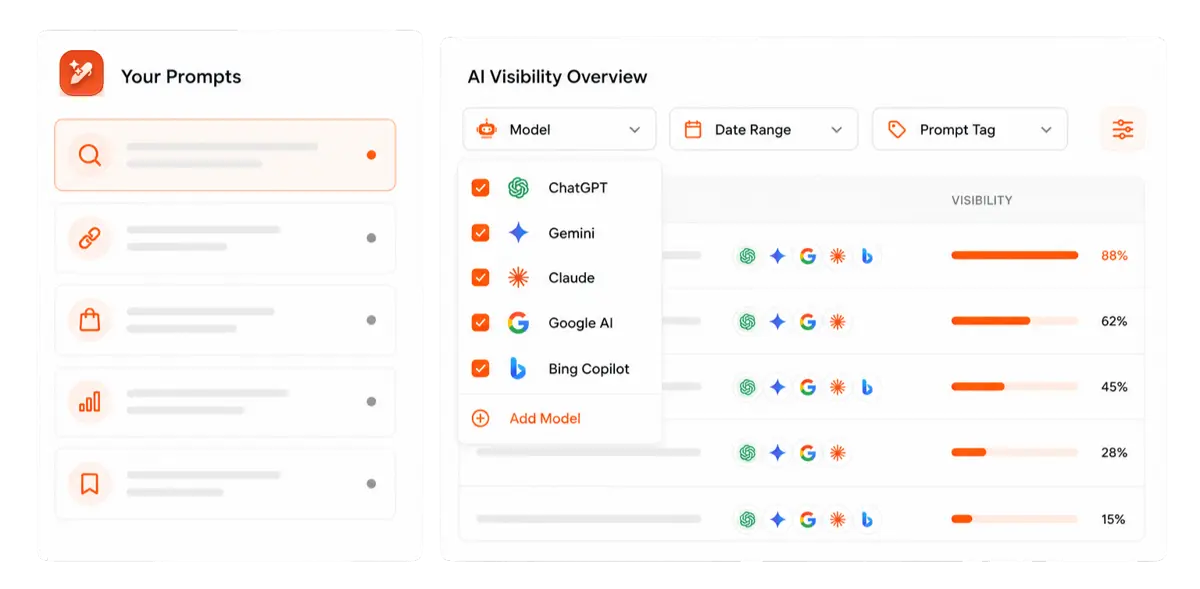
- AI search share of voice
As AI search grows, you also need to watch how often tools like ChatGPT, Perplexity, and Google AI Overviews reference your brand. Long-form, well-researched content from tools like Contentpen improves your odds of being cited.
Find your brand in AI search
Track AI citations, share of voice, and brand sentiment
Find the top sources driving citations
How AI is changing content distribution in 2026 and beyond
AI now shapes how content is created, distributed, and discovered. It speeds up workflows inside the tools you already use and also changes how people find information in the first place.
Besides content automation, AI can automate or assist with a large share of marketing tasks, such as ideation, visualization, and data reporting. This frees up teams for higher-value work, like creating content strategies and implementing them.
AI also helps with distribution itself, such as send time optimization, segment predictions, and dynamic content delivery on websites and apps.
The second shift is discovery. Large language models such as ChatGPT, Claude, Gemini, and Google AI now answer questions directly. They often summarize multiple sources and sometimes show citations from the results they can read and understand the most.
To make your content AI search optimized, write clearly, cite stats, include helpful examples, and cover multiple angles to showcase topical depth.
Related read: 30 recent innovative marketing examples.
Best practices to maximize your content distribution ROI
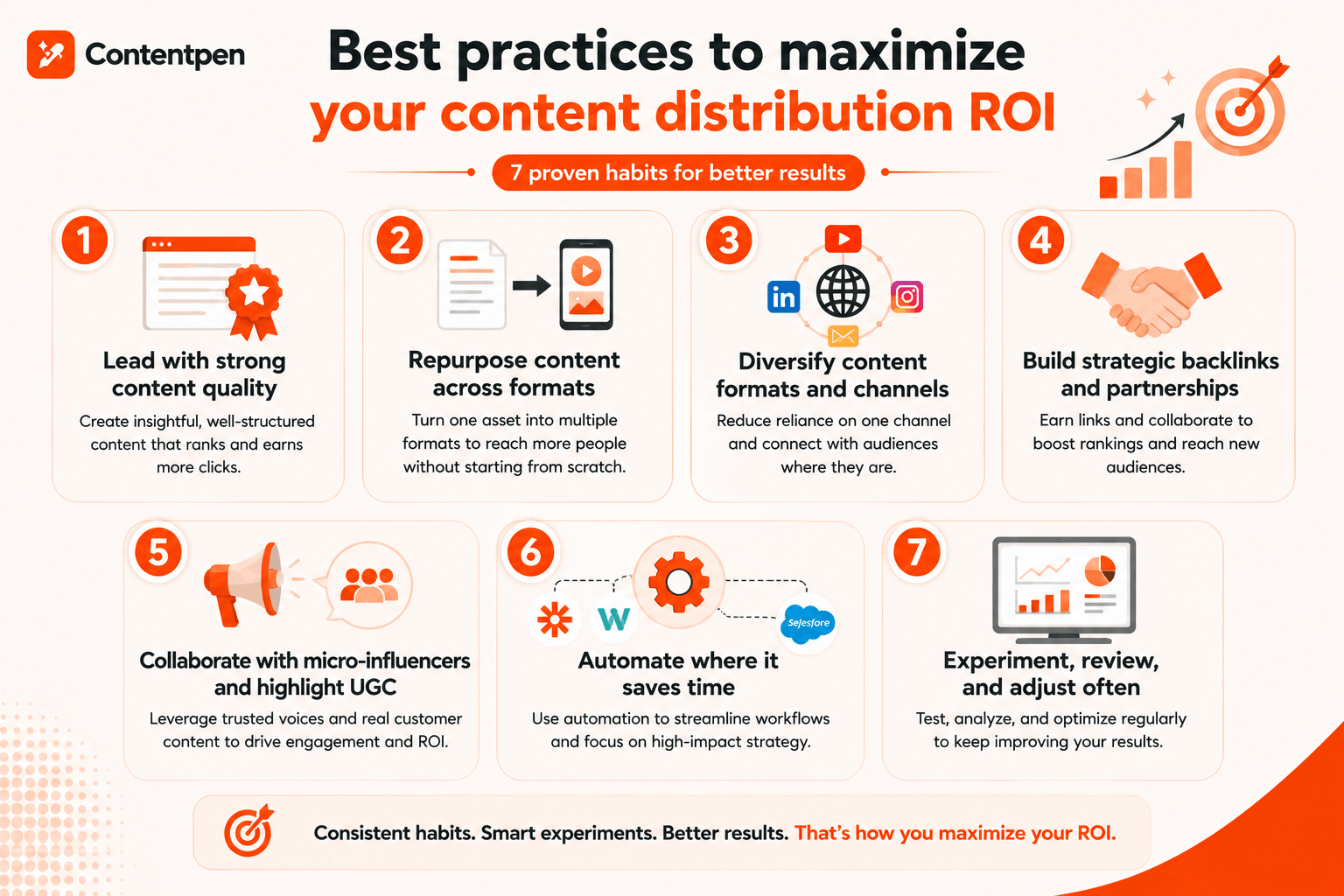
Good content distribution is less about hacks and more about steady habits. Once your strategy, tools, and measurement are in place, a few best practices help you squeeze better results from the same assets. This matters when budgets are tight, and teams juggle many priorities.
Below are some of the best practices you can apply right away to improve your ROI:
1: Lead with strong content quality
Put most of your effort into insightful, well-structured articles, videos, and podcasts. Top Google results see better CTR, so ranking even a few core pieces makes a big difference for your ROI.
2: Repurpose content across formats
Once you invest in making helpful content, you will have an asset that you can repurpose across different platforms.
For instance, you can reuse the ideas of an article in a LinkedIn carousel, or post the gist of it as a short clip for social media.
This multi-format approach lets you reach people who prefer different content types without restarting from zero each time.
3: Diversify content formats and channels
When you repurpose content, you also diversify your content formats and channels. This is important because your organic traffic and growth aren’t dependent on the algorithms of a channel.
Diversifying also opens up new paths for SaaS content marketing distribution and helps align your content with different learning styles in your audience.
4: Build strategic backlinks and partnerships
Guest posts, expert roundups, joint webinars, and original data studies attract links. Backlinks improve search rankings and expose your content to new readers at the same time.
That is why many brands invest in content distribution agency partners or PR support once they see traction for any of their channels.
5: Collaborate with micro-influencers and highlight UGC
Micro-influencers with focused audiences often drive better engagement than larger names. Pair that with user-generated content such as reviews, customer videos, or community posts to enhance your distribution of content.
According to Searchlab, 92% of marketers say video content delivers positive ROI, and authentic clips from customers and influencers help push those numbers ever further.
6: Automate where it saves time without killing quality
Use tools such as Workato or Zapier to connect your CMS, CRM, social schedulers, and email platforms. Automations can push new posts into social queues, sync lead data from forms into Salesforce, and trigger nurture flows from specific content interactions.
Freeing this time lets you focus on better strategy decisions, not manual uploads or tedious workload.
7: Experiment, review, and adjust often
Test different hooks, formats, posting times, and offers to see which one works for you.
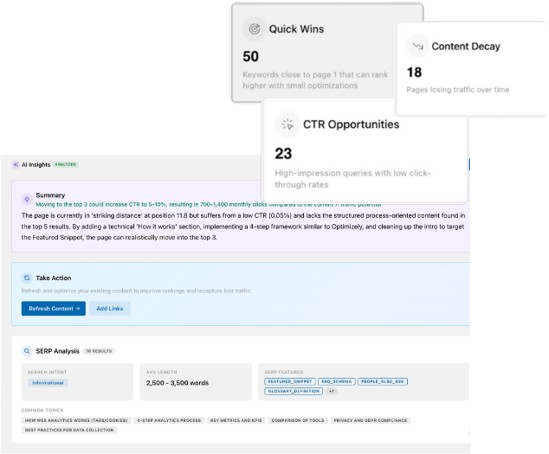
Check performance monthly to see underperforming channels or posts. For content-heavy teams, Contentpen provides the SEO opportunities feature that detects decaying pages, CTR gaps, and near-ranking posts. You can fix these issues with AI to regain AI and search visibility.
Turn existing content into growth opportunities
Identify pages losing traffic or CTR
Find quick wins to improve clicks and rankings
Simple rules like “three tests per quarter” give you structure similar to the 3-3-3 rule in sales, where activity goals keep momentum strong. With a content distribution tool stack and Contentpen at the center, experiments become easier to run and evaluate.
Keep the momentum going with a smarter distribution approach
Content distribution works best when you treat it as an ongoing system instead of a one-time push.
As you publish more, your owned channels grow, your earned mentions stack up, and your paid campaigns become more efficient. Over time, that compounding effect turns content into a real growth engine.
The path is simple. Create high-quality, search-friendly content, map it to the right channels, support it with a modest paid budget, and review performance often.
Remember to use formats like video, carousels, and email alongside classic blogs and long-form guides for channel diversity and maximum ROI.
Frequently asked questions
Content creation is the process of producing assets such as blog posts, videos, podcasts, infographics, and social posts. Content distribution is the separate process of getting those assets in front of the right audience through search, social, email, paid ads, and earned media.
Distribution frequency depends on your channel mix and resources. For social media, most brands post between 3-7 times per week per platform. A weekly or bi-weekly newsletter tends to perform well without causing fatigue. For SEO-driven blog content, publishing at least 4 new posts per week can increase organic traffic significantly.
For most B2B brands, LinkedIn and email are the top-performing distribution channels, as LinkedIn reaches over 1 billion professionals worldwide. Email marketing consistently delivers one of the highest returns in B2B, with an average ROI of $36 for every $1 spent.
The most effective distribution strategies use both. Organic distribution through SEO, social media, and email builds long-term compounding returns, while paid distribution through social ads, native ads, and search ads delivers immediate, targeted reach.
Contentpen is a prime example, as it produces long-form blogs on different topics such as SEO, AEO, digital marketing, and more. The brand uses snippets from these articles to create LinkedIn and Instagram posts, such as the Black Friday campaign.
Results vary by channel. Paid distribution can generate traffic and leads within days. Email distribution typically shows open and click results within 24-48 hours of sending. Organic SEO-driven distribution takes about 3-6 months to gain meaningful search rankings. Social distribution provides almost instant visibility, but audience growth can take weeks or months.