Writing a well-structured, engaging article is easier than ever with Contentpen. This powerful AI writer online helps you generate, customize, and optimize content with just a few clicks.
Whether you’re crafting a quick blog post or a detailed guide, Contentpen streamlines the process, saving you time while maintaining quality.
In this guide, we’ll walk you through each step to help you create, refine, and publish your content effortlessly. Let’s get started!
What is Contentpen? Contentpen is an AI-powered writing assistant designed to help users create high-quality, SEO-optimized content efficiently.
How to write an article using Contentpen in a few clicks?
Step 1: Sign up or log in
Visit the Contentpen website and click “Sign up” if you’re a new user or “Log in” if you already have an account. Enter your credentials and access your dashboard.
Step 2: Create a new article
Once inside the dashboard, navigate to the “Article list” section. Click on the “New article” button in the upper left corner to start writing.
Step 3: Choose a template
Select a template based on your needs—whether you want to create a quick article, add links, or start with a blank canvas.
Step 4: Customize your article settings
Contentpen offers five key customization categories:
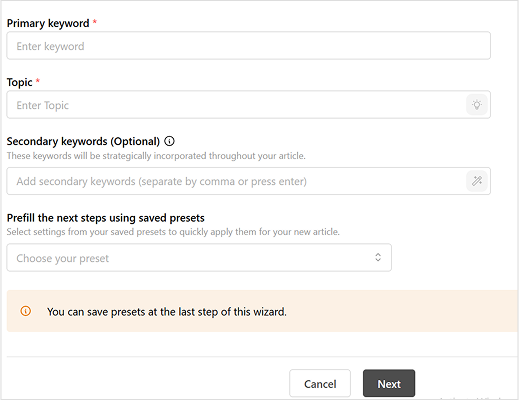
Basics – Add primary and secondary keywords to optimize your article. Save your changes to proceed.
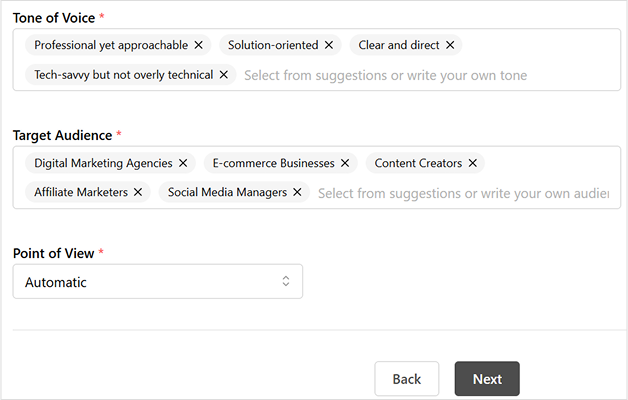
Style – Define the tone of voice, target audience, and point of view.
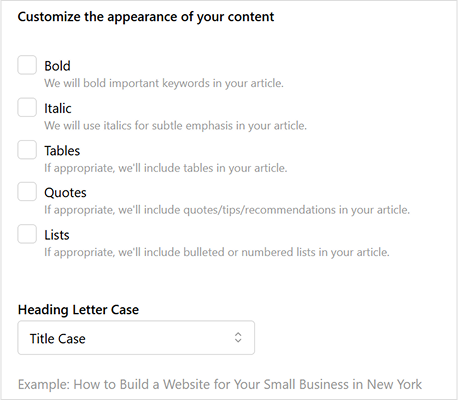
Structure – Choose formatting options like bold, italics, and bullet points.
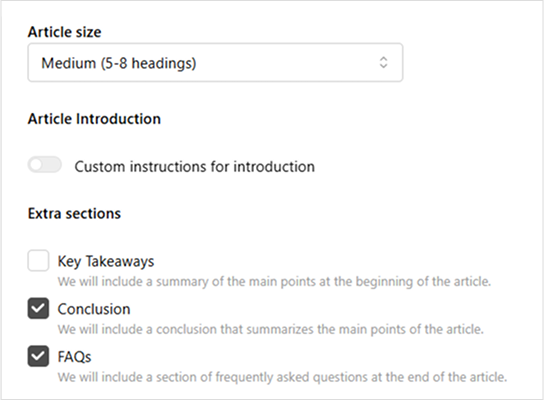
Formatting – Set the number of headings, additional sections.
or set image style.
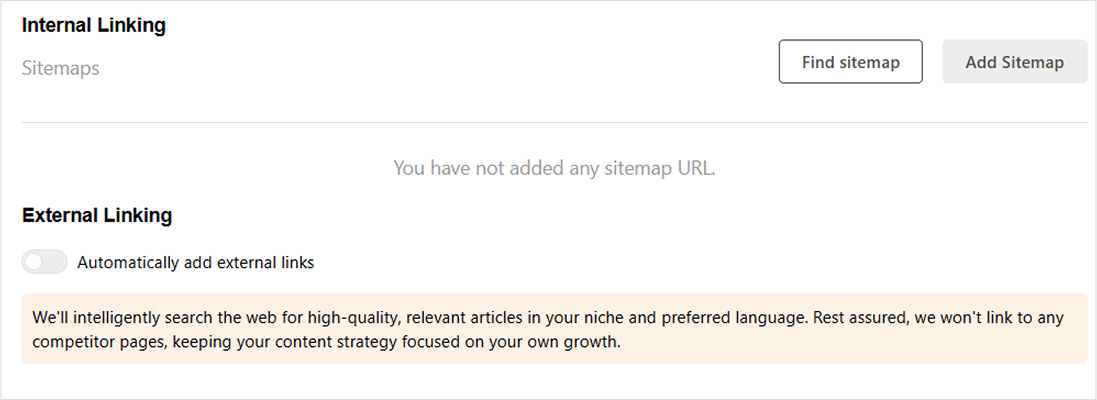
Linking – Enable internal and external linking or add a sitemap.
Step 6: Export & publish
Save your article and export it in your preferred format (Word, PDF, HTML, etc.). If supported, you can directly publish it on platforms like WordPress or Medium. Share it with your team for feedback and final edits.
Now that you have learned how to effortlessly create content using Contentpen. Learn more on speed up your blog writing using AI.
FAQs on article writing
What are the best practices for using Contentpen efficiently?
To get the best results, provide clear input, use relevant keywords, adjust AI-generated content to match your style, and review before publishing.
How does Contentpen compare to other AI writing tools?
Contentpen competes with tools like Jasper and Copy.ai by offering user-friendly features, SEO optimization, and customizable writing styles.
Is the content generated by Contentpen SEO optimized?
Yes, Contentpen ensures that every article is optimized for SEO by satisfying search intents, reviewing competitors’ content, and integrating keywords and meta details.
Can I customize and edit the articles before publishing?
Absolutely. You have full control over the articles and can review, customize, and edit any content before it goes live to ensure it fits your specific needs.
Can I use Contentpen for multiple websites or projects?
Yes, you can create multiple workspaces to manage the content of different brands separately. Each workspace allows the AI to learn from past activities, ensuring improved performance and relevance over time.
What happens if I’m not satisfied with the content?
You can request revisions or edit the content as needed. Contentpen also offers support to ensure the content meets your standards.
Does Google punish AI content?
Yes, Google can penalize AI-generated content if it’s deemed low-quality, lacks originality, or doesn’t provide value to users. Quality and relevance are key factors for SEO.
“No, Google doesn’t penalize AI-generated content if it’s used appropriately”, says Google.
The widespread adoption of AI in content creation has sparked considerable debate about its potential impact on search engine rankings, particularly whether Google penalizes AI-generated content.
This overview explores the potential implications of AI on rankings, factors Google may consider when evaluating such content, and how creators can use AI blog writer tools responsibly to produce high-quality content that meets Google’s standards.
Key takeaways
No, Google does not punishes AI-genereated content.
Yes, Google can detect AI-generated content.
Adhere to the Google guidelines related to the helpful content and EEAT.
AI content can rank on Google. However, humanize and edit where necessary.
Contentpen, the best content generation tool to look for in 2026
1.0 Understanding AI generated content:
AI-generated content refers to text, images, videos, or any other forms of media created by artificial intelligence algorithms without direct human input or creativity. These algorithms, often driven by machine learning and natural language processing, can produce content that mimics human writing styles, facts, and structure.
At the core of many AI content creation tools are technologies like machine learning and natural language processing (NLP). Machine learning allows these systems to analyze and learn from large volumes of data, improving their ability to generate relevant and coherent content over time. Meanwhile, NLP enables the AI to understand and produce human-like language, allowing it to craft narratives that closely resemble those written by people.
The capabilities of AI-generated content have evolved significantly. For instance, AI can now create articles that range from simple reports to complex blogs, mimicking various writing styles and tones depending on the intended audience. Additionally, it can generate visual content, such as images and graphics, that meets specific themes or design requirements. In the realm of videos, AI can even assist in editing and producing films or promotional content based on predefined scripts or concepts.
The million-dollar question is whether Google can detect and truly rank AI-generated content or not.
Let’s take a deep dive into it.
2.0 Can Google detect and penalize AI content?
Yes, Google can detect AI-generated content to some extent. While, Google’s algorithms do not explicitly penalize AI-generated content merely for being AI-generated and it does not specifically target AI-generated content. Its algorithms are designed to assess content quality, relevance, and adherence to Google’s guidelines.
Google’s algorithms use various signals to identify content that may be generated by AI. This includes examining writing styles, structure, coherence, and even specific patterns that are more prevalent in AI-generated texts compared to human-written content.
2.1 So, is AI content good or bad for SEO?
AI-generated content can be a bit of a double-edged sword for SEO, right? On one hand, it’s super efficient for cranking out lots of content that’s optimized for specific keywords.
But here’s the catch: if that content lacks a personal touch or feels too generic, it’s probably not going to resonate with your audience. Nobody wants to read something that sounds robotic or offers no real insights. Think of it this way: it’s like bland food that no one actually enjoys it!
So, the secret sauce? Pairing AI with that all-important human touch. It’s all about making sure your content not only checks the SEO boxes, but also connects with readers in a meaningful way. So, while AI can be a great tool, don’t forget to sprinkle in that personal touch to truly engage your audience!
Danny Sullivan, Google’s Search Liaison, clarified this in 2022, stating:
“Using AI doesn’t make content inherently against our guidelines. If content is helpful and created for people first, it will do well regardless of how it was produced.”
The myth that AI-generated content can get penalized by search engines has been debunked. Let’s further support this with relevant data and insights.
2.2 Semrush analysis shows Google can successfully rank AI-generated content
Semrush took a deep dive into the actual search engine results pages (SERPs) by picking 20,000 random keywords and examining the top 20 results on Google for each one. They compared how AI-generated content stacks up against human-written content in those top search positions.
So, what did they find? Let’s take a look at the results!
While it’s true that human-written content often has a bit of an edge over AI-generated pieces, the difference isn’t as big as you might think.
Take a look at the numbers: 57% of AI-generated content and 58% of content created by humans made it into the top 10. In fact, lots of people have found that AI-assisted writing can perform just as well as, or even better than, what humans come up with. So, it’s pretty clear that AI is making some impressive strides!
You can find the detailed Semrush study here.
3.0 How to create AI generated content that ranks on Google?
Getting the most out of AI in content creation involves:
Using top-quality AI tools
Following Google Search’s guidelines
3.1 Use the best content creation tools
Using the right tools to create AI-generated content can significantly enhance the quality and effectiveness of your output. These advanced tools not only streamline the writing process but also help in generating ideas, improving grammar, and ensuring content relevance.
With various tools available in the market today, each offering unique features tailored to different aspects of content creation, it can be overwhelming to choose the best one. However, one tool that has truly blown me away is Contentpen.
Contentpen AI is a comprehensive writing tool that utilizes multiple specialized agents to streamline and enhance the content creation process, leveraging advanced artificial intelligence technology to ensure every piece of writing aligns with your brand’s identity and meets high-quality standards.
Brand Knowledge agent: An AI that learns and understands your brand’s voice, unique selling points, target audience, and competitors to tailor content effectively.
SERP Analysis agent: An AI that conducts in-depth research to analyze search engine results, identifying top-ranking pages and strategies that resonate with your audience.
Copywriter agent: An AI that drafts engaging content based on selected keywords and SEO practices, creating compelling articles that align with your brand’s narrative.
Reviewer agent: An AI that meticulously reviews and refines the draft, ensuring it meets quality standards and adheres to proven SEO guidelines for optimal performance.
Optimization agent: An AI that enhances the article by adding strategic internal and external links, relevant images, and other elements to ensure comprehensive SEO optimization.
3.1.2 Automate your blog publishing direct to your CMS
Contentpen is designed to seamlessly integrate with WordPress, eliminating the frustrations of manual uploads and tedious formatting. With just a simple click, you can publish your posts directly to your site or even schedule them for a later date. This means you can spend less time on administrative tasks and more time focusing on what truly matters: creating incredible, engaging content that captivates your audience.
3.1.3 Generate blogs in bulk for content publishing at scale
Contentpen has introduced a game-changer with its bulk generation feature, designed specifically for content creators looking to amplify their efforts.Contentpen’s bulk generation capability streamlines the content creation process, allowing you to generate multiple pieces of content effortlessly.
3.1.3 Streamline your task with approval workflow
The approval workflow transforms the way teams collaborate. The approval workflow allows for real-time feedback, making it easy for team members to voice their opinions and for clients to provide their insights instantly. This transparency fosters a collaborative environment where ideas can be shared freely, and adjustments can be made promptly, ensuring that each piece of content is polished to perfection before it goes live.
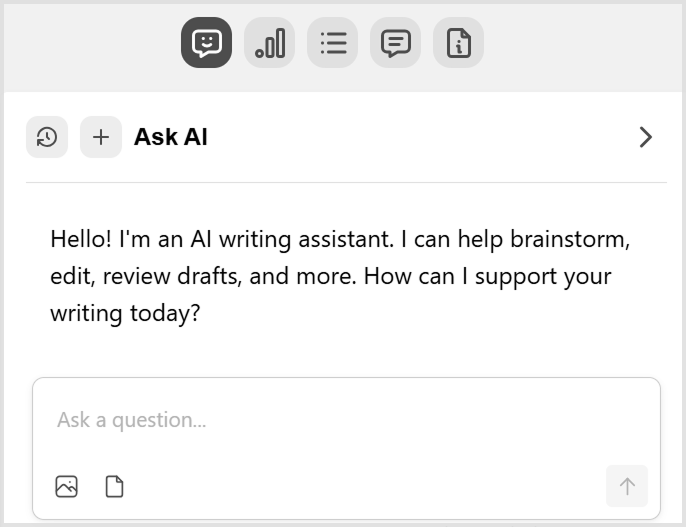
3.1.4 Ask AI
The magic of Contentpen lies not only in its efficiency but also in its ability to optimize and improve any content piece through its Ask AI feature.
3.2 Follow Google Search’s guideline to generate AI content
3.2.1 Automation can create helpful content
While content automation, including AI, is allowed for content generation, using it primarily to manipulate search rankings violates Google’s spam policies. This means that content created solely to exploit search ranking loopholes risks being flagged as spam. Google employs sophisticated algorithms, like SpamBrain, to detect such practices, which can lead to penalties such as lower rankings or removal from search results. Therefore, content creators should prioritize delivering genuine value, ensuring that AI is used to enhance content quality rather than deceive search engines.
3.2.2 Focus on E-A-T:
Create content that is well-researched and informative. Make sure it meets the needs of your audience. Google prioritizes content that demonstrates E-E-A-T. AI-generated content that lacks credible sources or authorial expertise could be penalized. Strive to create original and unique content that offers a fresh perspective or valuable insights.
3.2.3 User intent and relevance:
Google rewards high-quality content, however it is produced. So create content that satisfies user intent and is relevant to the search query. AI-generated content that fails to address user needs or is irrelevant to the query could be ranked lower.
3.2.4 Human oversight and editing:
Human involvement is crucial to ensure AI-generated content meets quality standards and aligns with brand voice and messaging. Adding personal insights and examples can make the content more engaging and relevant.
3.2.5 Technical quality:
Google expects content to be well-written, formatted, and free of errors. AI-generated content that is poorly written or contains technical errors could be penalized.
3.2.6 Avoid deceptive practices:
Don’t create content just to trick search engines into ranking higher. Focus on providing real value to users. Ensure your content reflects its true purpose. Avoid clickbait or misleading headlines that can annoy users.
3.2.7 Regularly update content:
Keep your content current and relevant. Regular updates help reflect new information and meet user needs effectively.
Conclusion
AI has the potential to revolutionize content creation and significantly impact search engine rankings. By understanding the factors Google considers when evaluating AI-generated content and following responsible AI use guidelines, creators can leverage AI’s power to produce high-quality content that meets Google’s standards and achieves high search rankings.
Potential implications of AI on search engine rankings
Quality and relevance: AI has the potential to generate high-quality, relevant content at scale, which could positively impact search rankings. However, if AI-generated content lacks originality, depth, or accuracy, it could negatively affect rankings.
Efficiency and speed: AI can automate repetitive content creation tasks, enabling faster content production and potentially improving rankings by increasing content freshness and frequency. However, overreliance on AI without human oversight could lead to low-quality content and harm rankings.
User experience: AI can personalize content and enhance user experience, which could indirectly improve rankings by increasing engagement and reducing bounce rates. Conversely, poorly executed AI-generated content could lead to a negative user experience and lower rankings.
Frequently asked questions
Does Google rank AI content?
Yes, Google ranks AI-generated content, but it applies the same criteria it uses for all content. The content must be valuable, relevant, original, and created with user experience in mind. If AI-generated content fulfills these criteria and is well-optimized, it can rank effectively.Add image
Will AI replace SEO?
AI is unlikely to replace SEO but will transform how SEO is practiced. AI can enhance tasks such as keyword research, content creation, and data analysis, allowing SEO professionals to focus more on strategy and creativity. Rather than replacing, AI will serve as a tool to improve efficiency and effectiveness in SEO.
How much AI content is acceptable by Google?
There isn’t a specific threshold for “acceptable” AI content, but it should meet quality standards set by Google. The focus should be on providing valuable, relevant content that engages users. A best practice is to view AI as an assistant for generating drafts and ideas rather than a replacement for human creativity and oversight.
What factors Google may consider when evaluating AI-generated content?
Google evaluates AI-generated content based on several key factors: Quality and relevance: Content must provide real value to users, answering their queries effectively. E-A-T (expertise, authoritativeness, trustworthiness): Google looks for content created by experts in the field, with authoritative sources and accuracy. Originality: Avoidance of plagiarism and ensuring the content adds unique perspectives or information. User engagement: Metrics such as click-through rates, time spent on the page, and bounce rates can indicate how useful the content is to users. Adherence to guidelines: Content must adhere to Google’s guidelines against spammy behavior and manipulation.
How can I get started with using AI for SEO?
To start using AI for SEO: Identify tools: Research and select AI-powered tools such as content generators, keyword research tools, and analytics platforms. Keyword optimization: Use AI to generate keyword ideas by inputting topics relevant to your niche. Content creation: Utilize AI writers to draft content, ensuring to edit and enhance it for quality and relevance. Data analysis: Employ AI for analyzing performance metrics, understanding user behavior, and optimizing your website accordingly. Stay updated: Follow industry trends on AI developments and adapt your strategy based on new features and best practices.