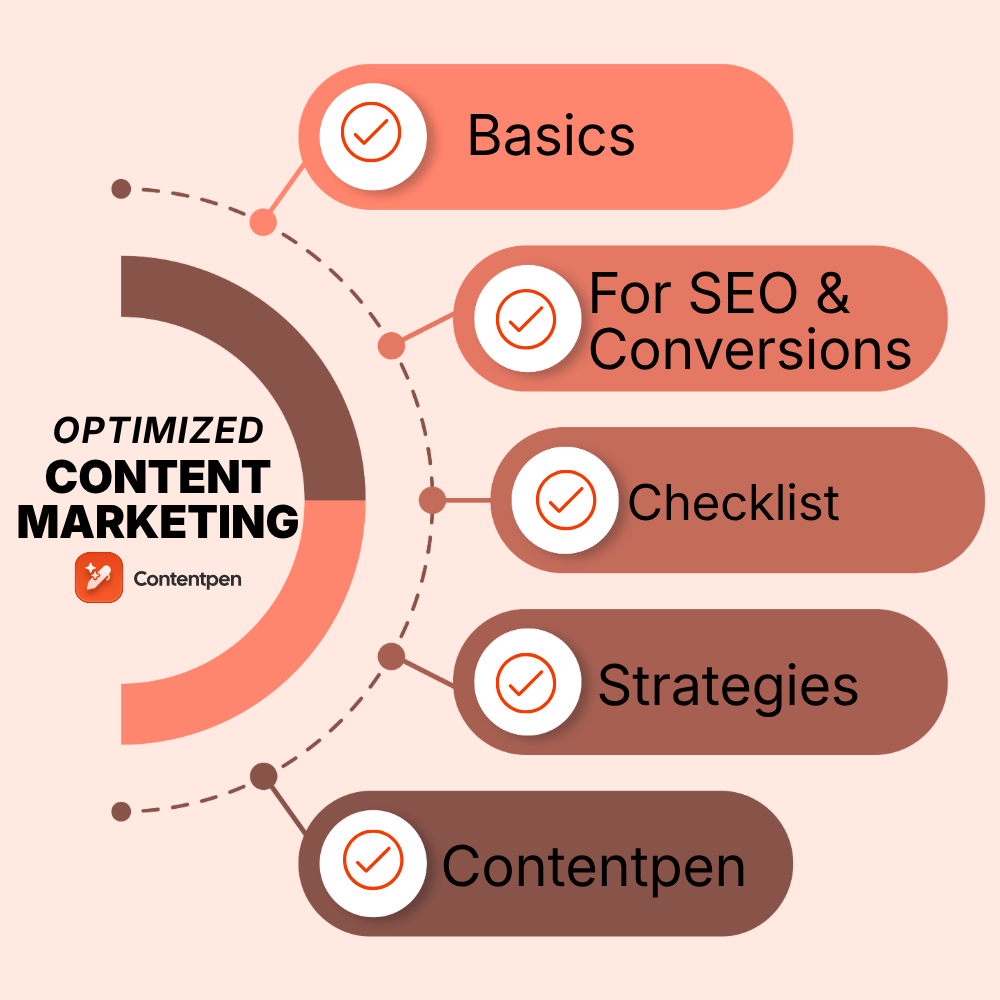
Optimized content marketing is about mixing SEO/GEO strategies, content marketing, and improving the design and usability of their websites to attract, engage, and convert more users.
But achieving real growth with SEO or AEO isn’t something that happens by luck. It requires consistent efforts. From keyword research and high-quality content creation to technical optimization, every element on the SEO checklist plays a role in improving search and AI visibility.
Before we dive deeper into how content marketing supports growth, let’s start by understanding the basics.
What is optimized content marketing?
Optimized content marketing refers to the process of strategically enhancing the quality of content to increase its reach, visibility, and ranking. It is about making your content helpful, product-tied, answer-first for AEO, and covering the on-page SEO and technical basics for search engines.
Importance of optimized content marketing
In 2026, optimized content marketing is important to not only improve organic traffic, but also conversions to meet critical business goals.
For instance, a software company might want to bring new customers on board by offering prospects a 14-day free trial with no strings attached.
This company may need to position its software as a must-have tool to accomplish the task. Therefore, this company needs to optimize its content marketing strategy accordingly.
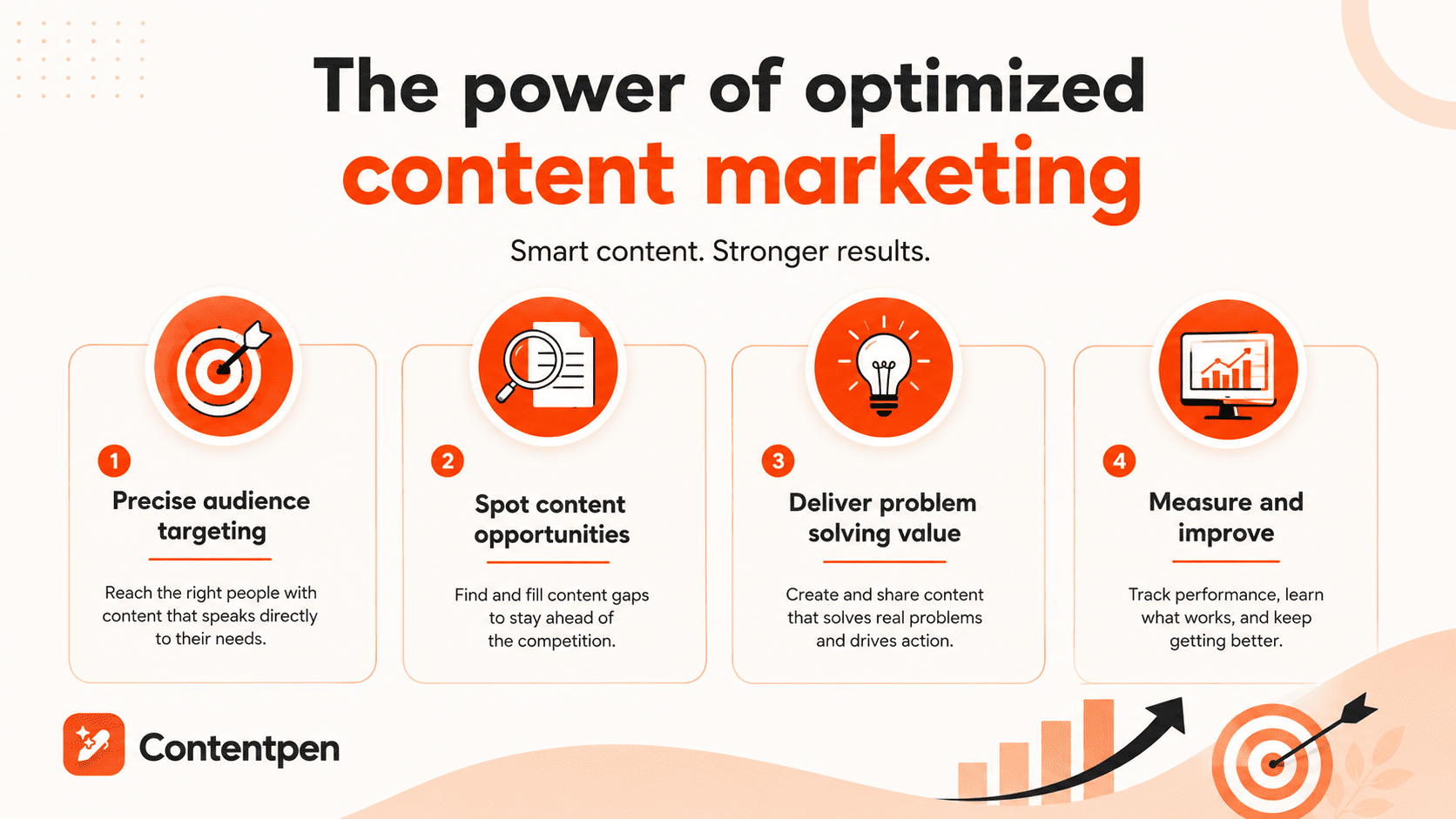
Here’s why optimized content marketing is important for any marketing campaign:
1. Laser-focused consumer targeting
The approach of “throwing it at the wall and seeing what sticks” doesn’t always work in content marketing. The laser-sharp targeting enhances your content marketing efforts, enabling brands or individuals to produce highly optimized, effective content that consistently addresses the target audience.
2. Content gap identification
One of the reasons optimized content marketing is crucial to your digital marketing campaign is that it encourages you to identify content gaps in the space. It lays a strong foundation for your content marketing strategy, which ensures a competitive edge and market dominance.
Also read: Top 10 AI writing tools to speed up your content creation.
3. Problem-solving content distribution
Optimized content marketing requires a strategic approach to creating and distributing content that solves real-life issues faced by the prospective audience.
When such high-quality, targeted content gets published, it’s most likely to bring better ranking, more social reach, and increased conversion rate.
4. Analyzing marketing content performance
An optimized content marketing campaign can’t be completed without proper monitoring and analysis of the process. Proper processes allow marketers to identify weaknesses, ensuring they are addressed next time.
Why optimized content matters for SEO and conversions
A website or blog doesn’t stand a chance in the SERP if its content isn’t optimized for SEO, AEO, and the same goes for conversion.
Role of content optimization in SEO and AEO
A common perception about SEO is that backlinks, meta tags, and keyword selection are the most important aspects of SEO, which is correct to some extent. However, SEO isn’t complete without content optimization.
Content optimization encapsulates keyword selection, sentence structuring, on-page optimization, content scanability, and how well the content answers the main intent.
Good AEO builds on SEO. So, if your basic on-page efforts are not in the right direction, you will loose AI visibility as well.
Besides having good SEO, you need to ensure your content is formatted in the answer-first, explanations later format. Whatever you write should be accurate and updated, including all the cited stats, diagrams, and factual data.
Content optimization plays a pivotal role in the SEO and AI visibility growth of a website or blog, which makes it almost irreplaceable today.
Driving conversions with optimized content
A misconception about high-quality content is that it drives conversion just because it’s well-crafted, grammatically correct, and easy to read. However, it’s not necessarily true that high-quality content would also be optimized for conversion.
The point is that optimized content is fine-tuned for conversion. Not only is it well-written, but it is also written with a goal in mind. It contains CTAs (call-to-actions) that are well-placed for a newsletter sign-up, demo test run, or call booking.
It’s safe to say that optimized content is crucial for driving conversions, no matter what your niche is.
Related: 30 recent innovative content marketing examples.
How Contentpen supports optimized content marketing
The outcome of an optimized content marketing campaign isn’t a fluke. It requires a plan of action that translates the content marketing strategy into a high-performance marketing campaign.
The infusion of AI and automation in content marketing works as icing on the cake. Let’s discuss how automation and AI-powered tools can help shape an optimized content marketing strategy.

Write content that’s built to rank, not just read
Create search-optimized blogs aligned with SEO and GEO signals, so your content performs well across search and AI-driven discovery.
Try SEO Blogging FREE →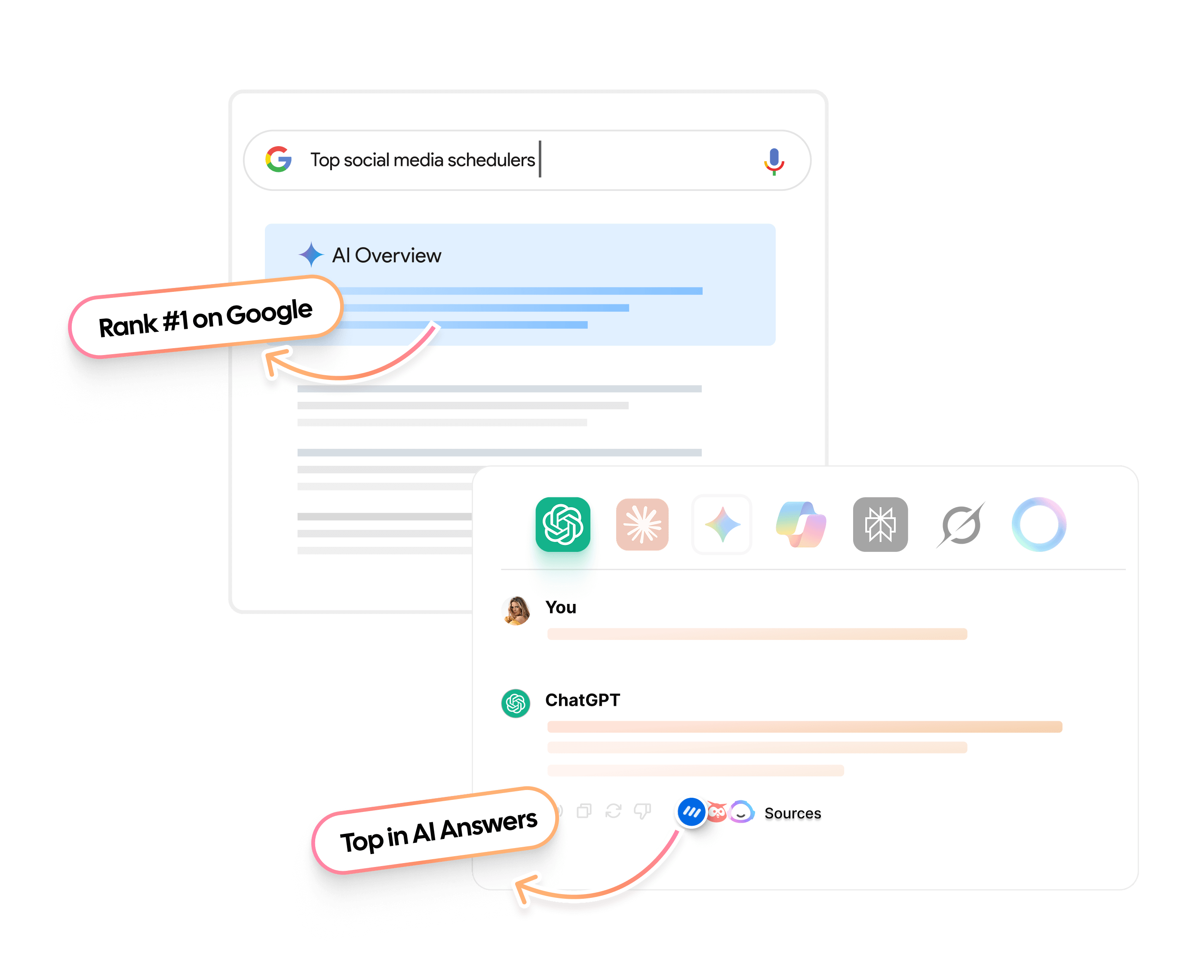
Here’s the breakdown of how to automate your content optimization workflow with Contentpen.
1. Keyword hunting
First things first, your keyword targeting needs to be spot on. The only caveat is that SEO analysis and keyword tracking tools are too expensive for most users.
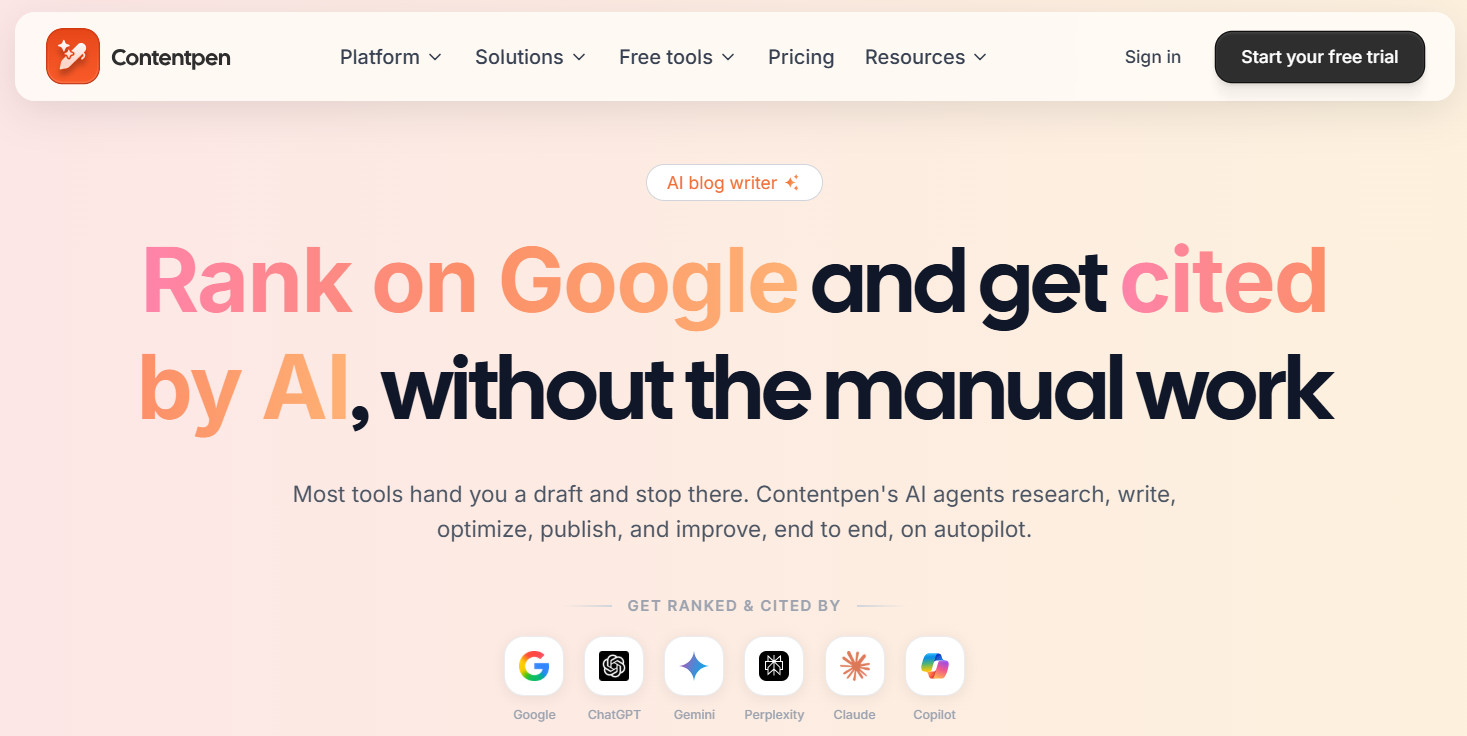
This is where Contentpen comes in. It is an advanced AI blog writing tool that generates high-quality, optimized articles in minutes. The best part about Contentpen is that it has a built-in keyword research tool, which works like an alternative to Google Keyword Planner, Semrush, and other keyword tools.
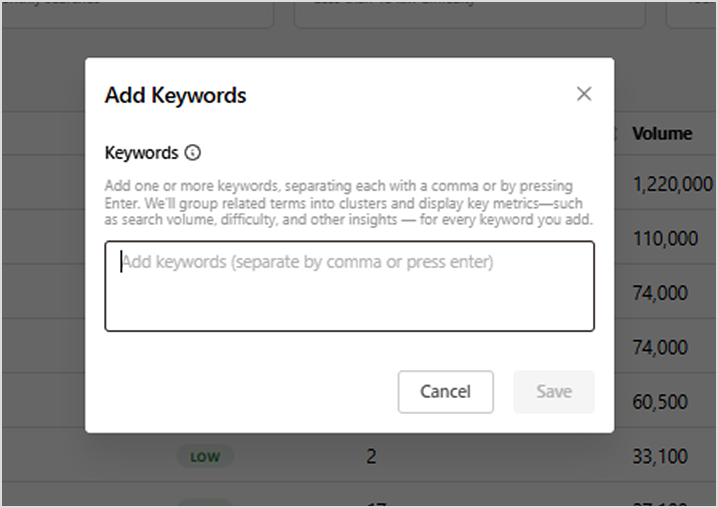
All users need to do is plug in some keywords or let AI generate you keywords based on your niche and content pillars extracted from your site.
The tool will automatically start tracking those keywords and report back on various metrics, such as keyword volume, CPC, difficulty, and intent, allowing you to plan content accordingly.
2. Create optimized content using AI
Once the keywords have been identified, the next step is to create optimized content using AI. Contentpen offers an excellent AI-based article writer. Head over to the Planner tab and click on the “Create Article” button.
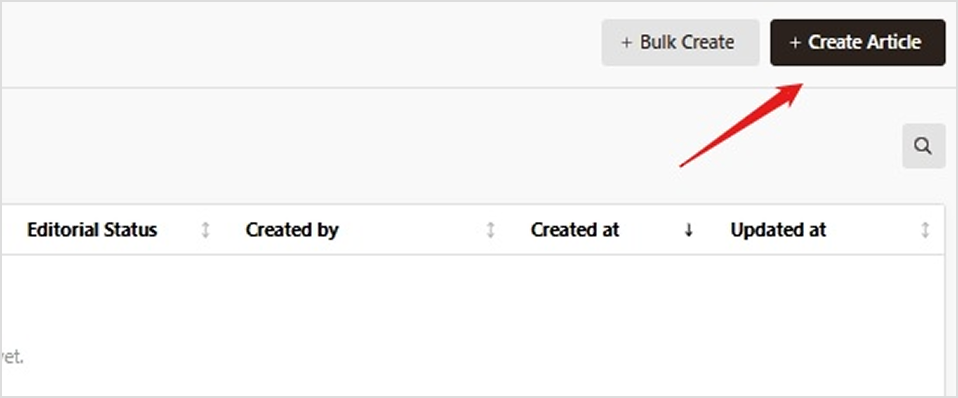
A pop-up window will appear asking for the type of article to generate.
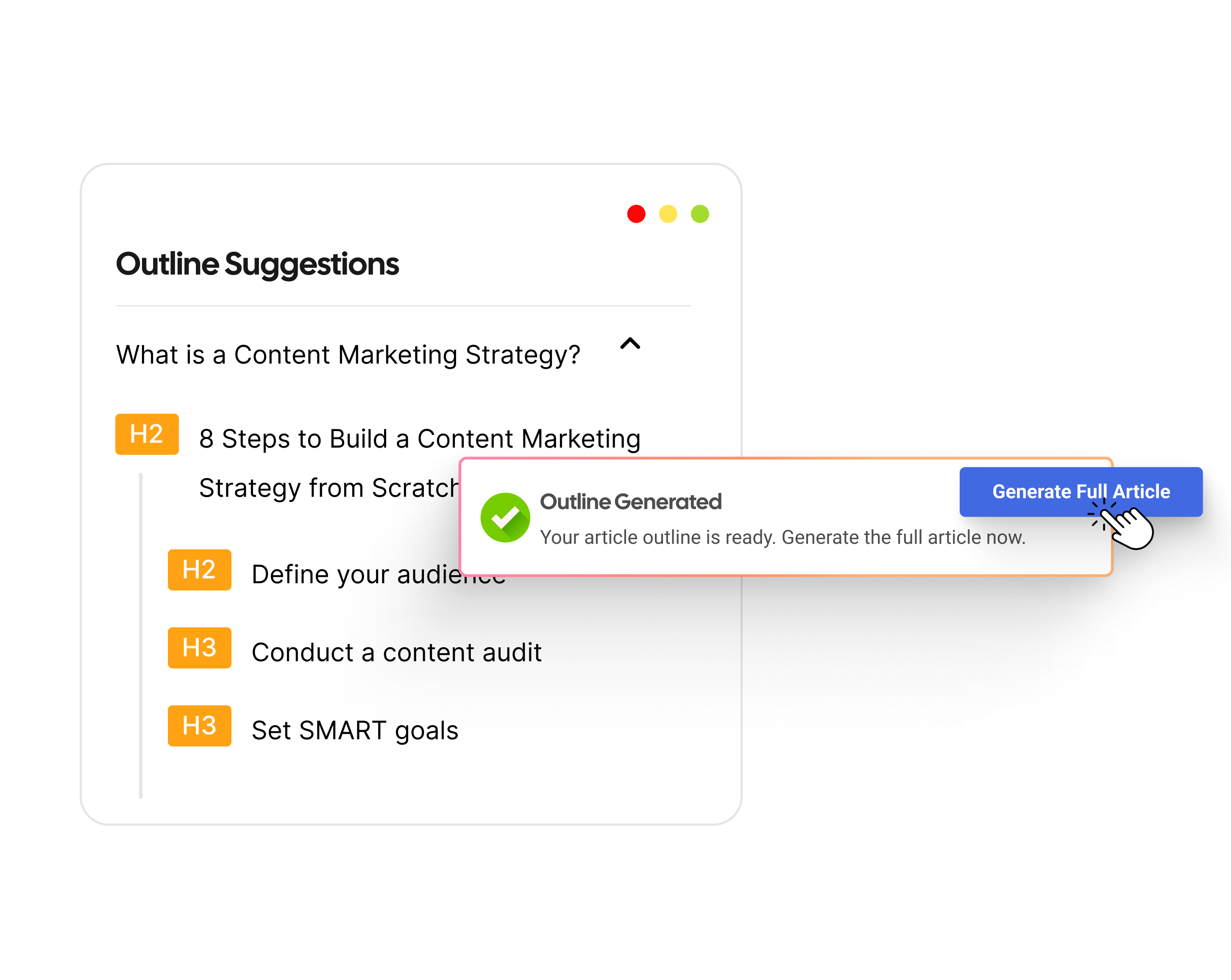
Choose the “Generate article with AI” option to proceed. Alternatively, you can also choose the two-step generation method to approve the outline first before generating content.

Add article details, such as title, keyword, formatting, structure, and media, to generate an optimized article.
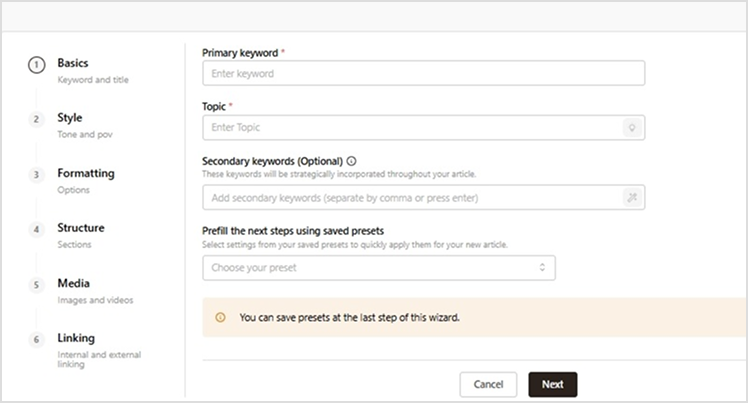
Once all the details have been added, proceed to the next step.
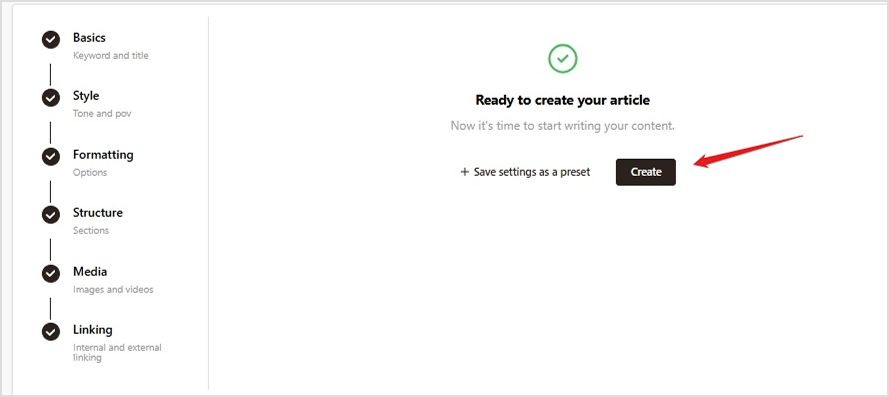
Double-check all the data and click on the “Create” button to generate the article.
Also read: What is AI-generated content?
3. Automate internal and external links
Contentpen automates internal and external linking for new articles and also allows users to add links to existing content.
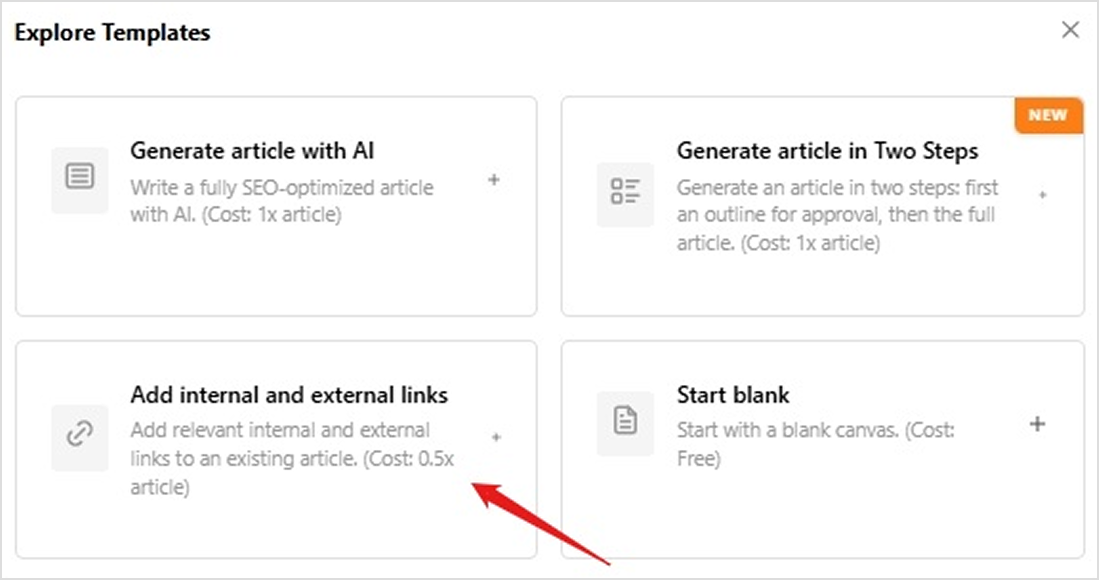
To add both types of links, go to the “Create Article” section again and choose the “Add internal and external links” option this time.
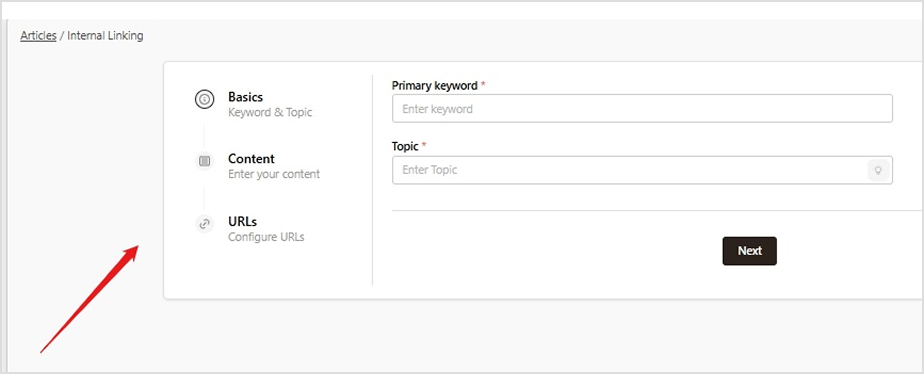
Now provide the keyword, topic, and URLs to let Contentpen process all the details.
At the next stage, Contentpen will ask you to paste the content. So, go ahead and paste the article.
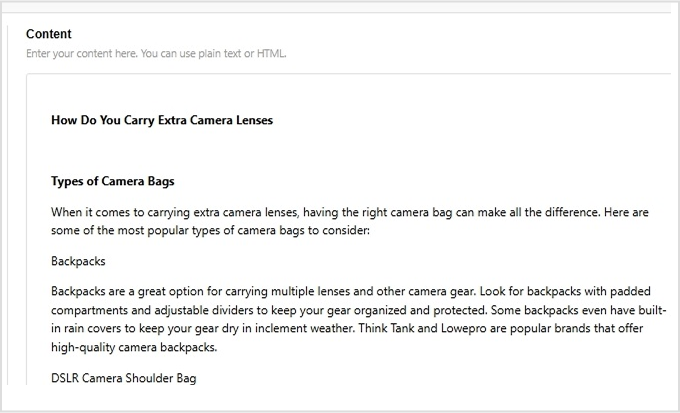
It will automatically process the internal and external links and include them in your article. Furthermore, Contentpen is intelligently developed to avoid linking to your competitors.
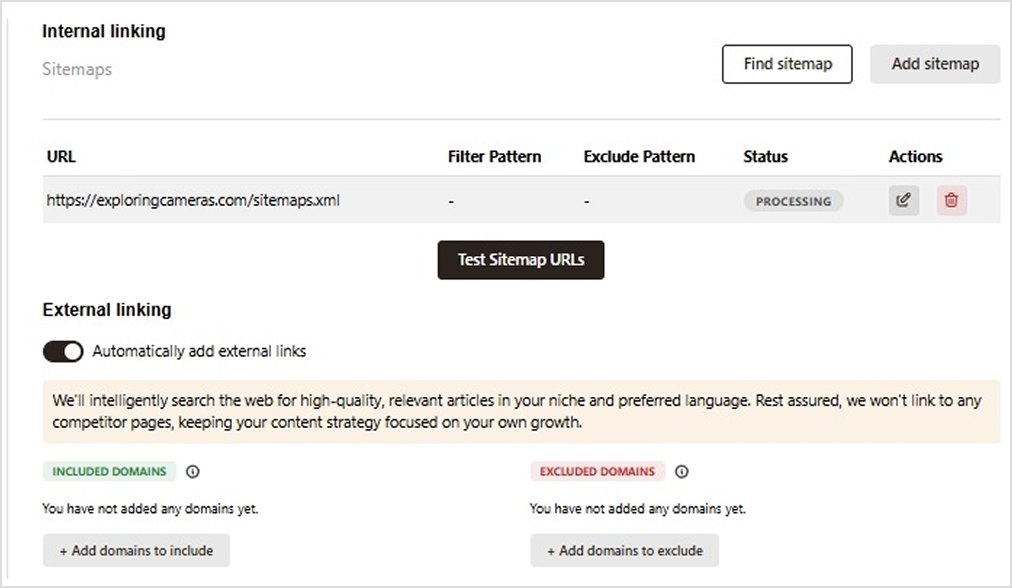
Add your sitemaps for internal linking. Plus, this is where you can include and exclude websites for external links.
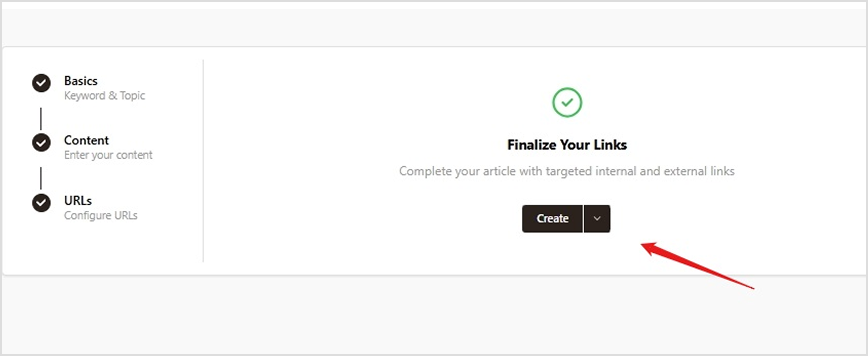
Once your links are finalized, click on the “Create” button to add links to your article.
How Contentpen ensures SEO-friendly content every time
Contentpen uses AI to learn and train its system to create SEO-friendly, effective content every time the user hits the “Create Article” button.
Behind its cutting-edge software technology, it utilizes multiple knowledge assets, such as brand voice, website details, and other text-based information about the client’s brand to keep its content consistent.
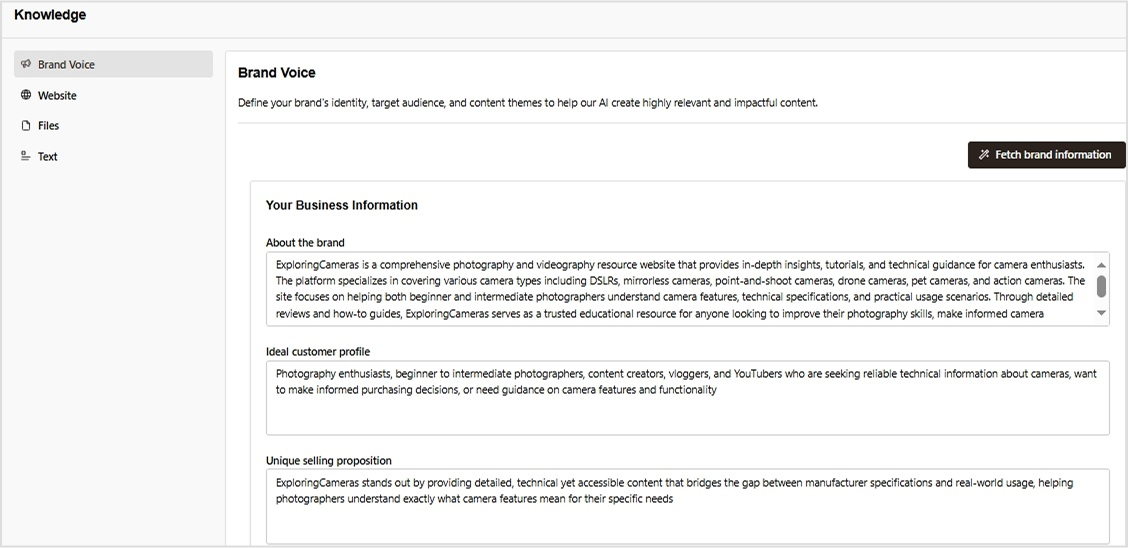
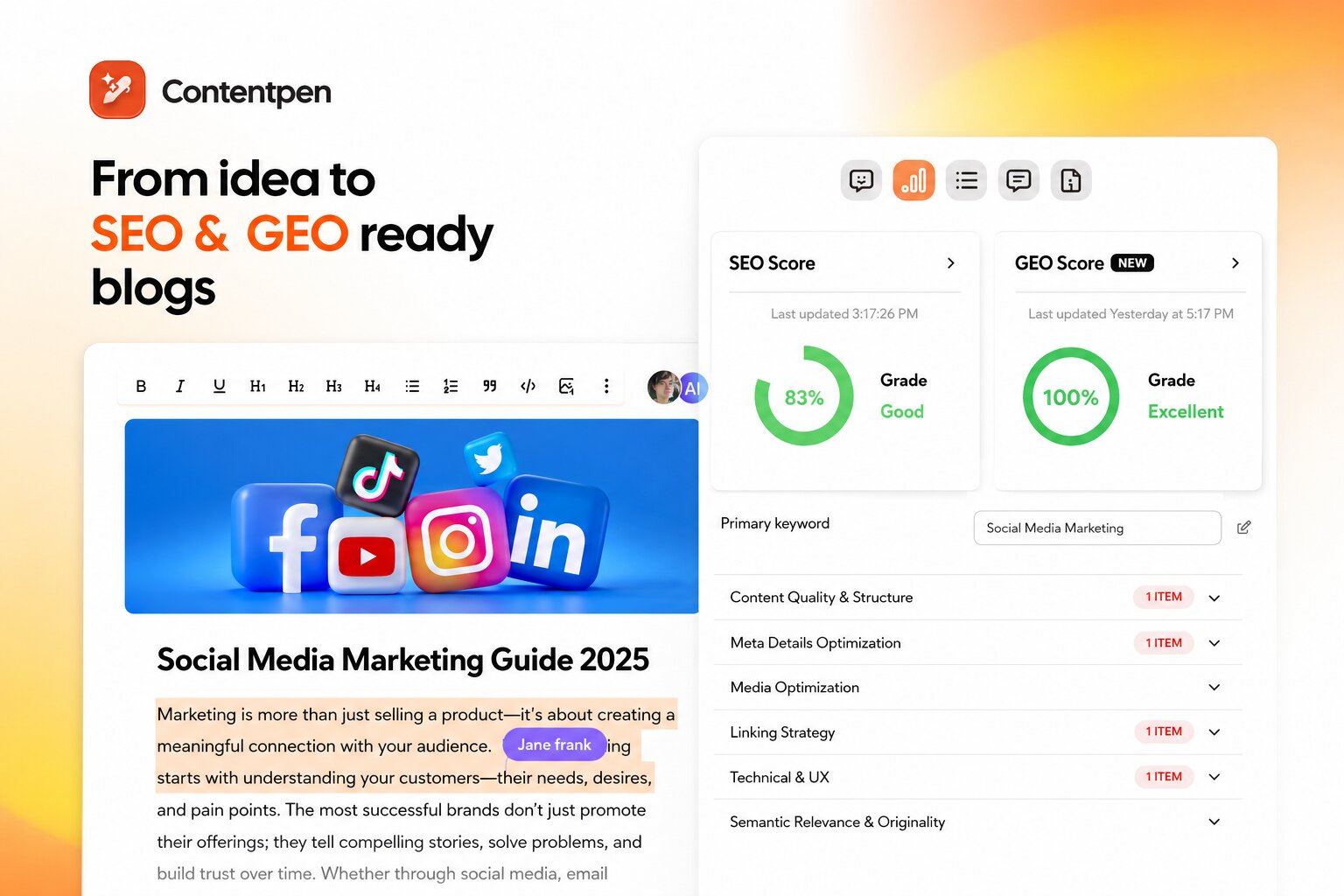
It ensures that the content it produces is SEO- and GEO-friendly with SEO and GEO-scoring, value-driven, and keyword-oriented, so that every piece of content is aligned with the client’s brand and performs well on Google and AI search engines.
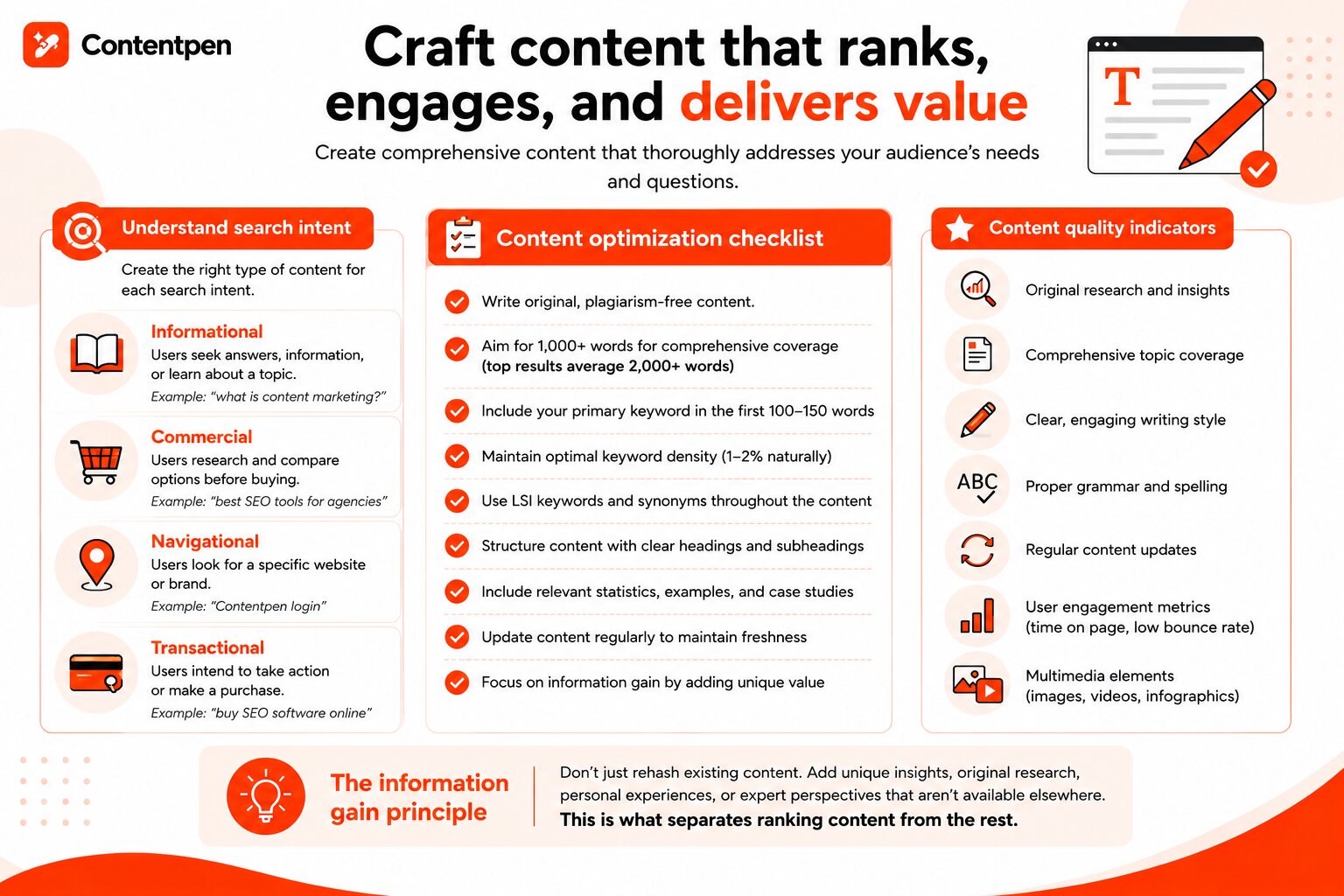
How to optimize content for SEO and AEO: Step-by-step checklist
Generally, you can follow the steps given below to optimize your content for SEO and AEO.
1. Understand keywords and search intent
Content optimization starts with identifying the right keywords and aligning them with user intent.
Keyword research helps uncover niche-relevant terms that guide your content strategy. Understanding search intent ensures you’re targeting the topics your audience is actively searching for. Both are vital for ranking and relevance.
Best practice: Use your target keywords naturally within your content.
Common mistake: Avoid keyword stuffing, as it harms readability and makes your content look spammy in the eyes of search engines.
2. On-page and technical optimization
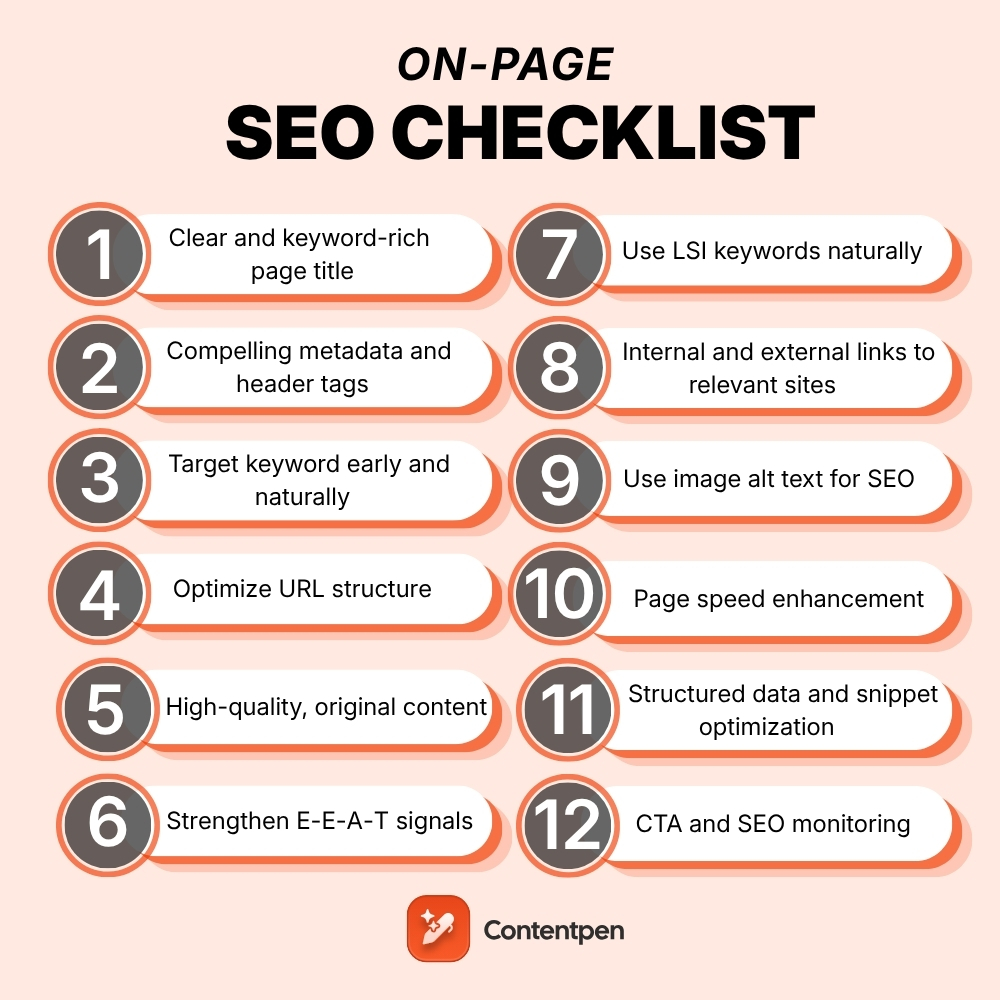
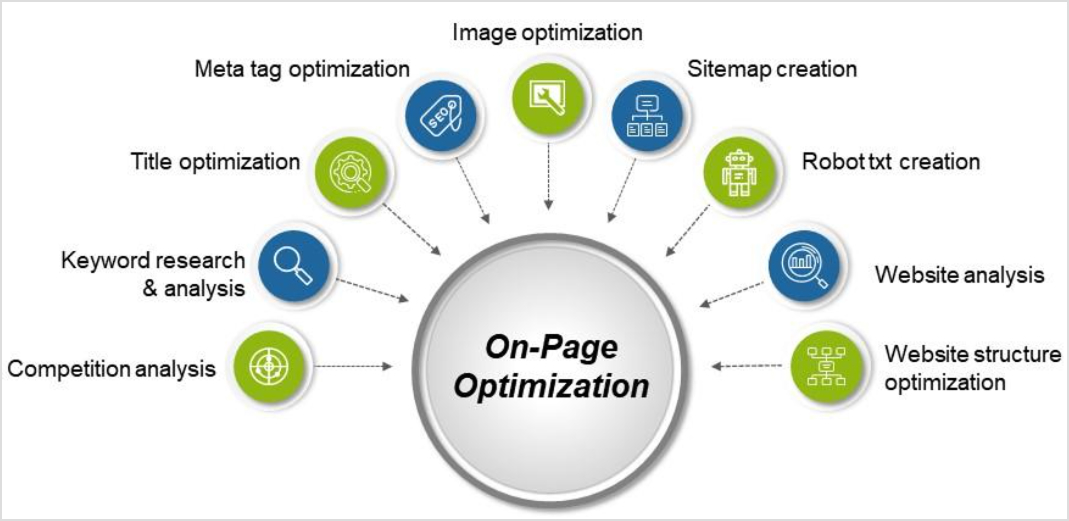
Optimization goes beyond the surface. On-page SEO includes placing keywords in the title, subheadings, and early in the content. It also involves internal linking and adding relevant alt text to images.
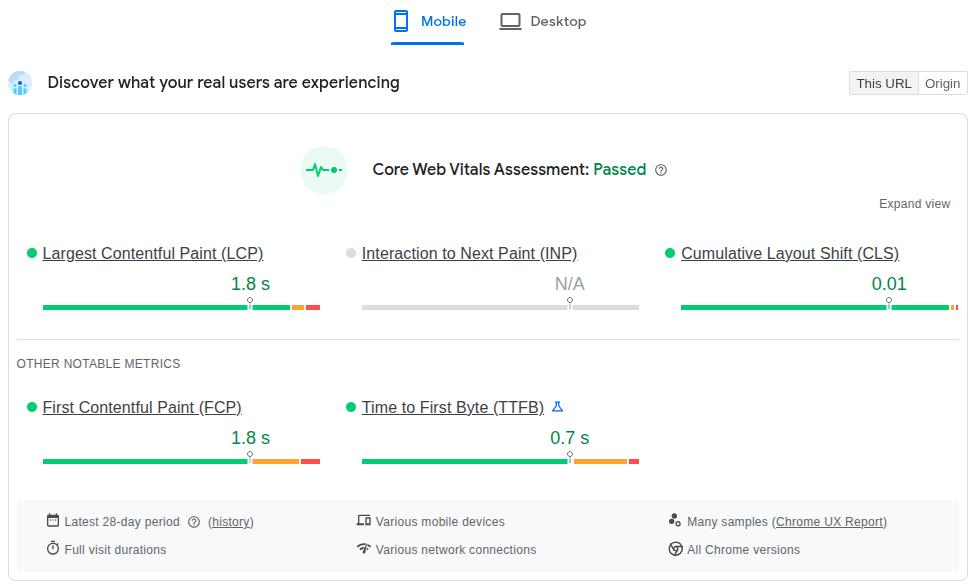
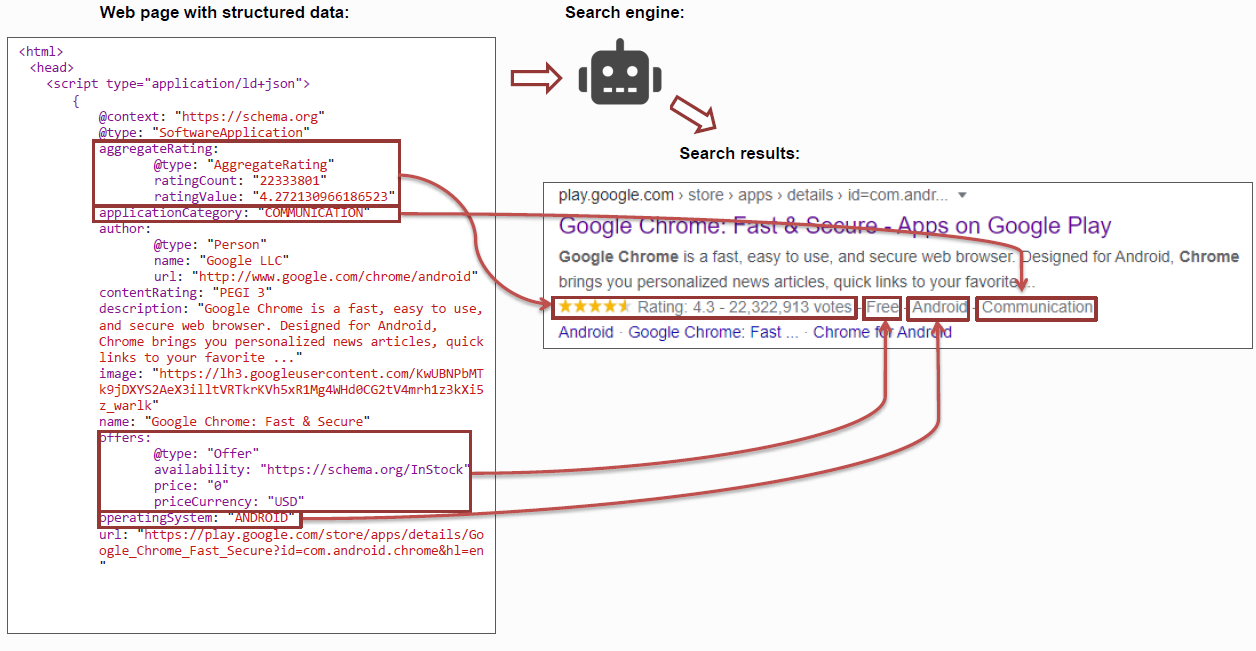
Technical optimization includes improving page speed, mobile responsiveness, and structured data to ensure search engines can crawl and understand your site effectively.
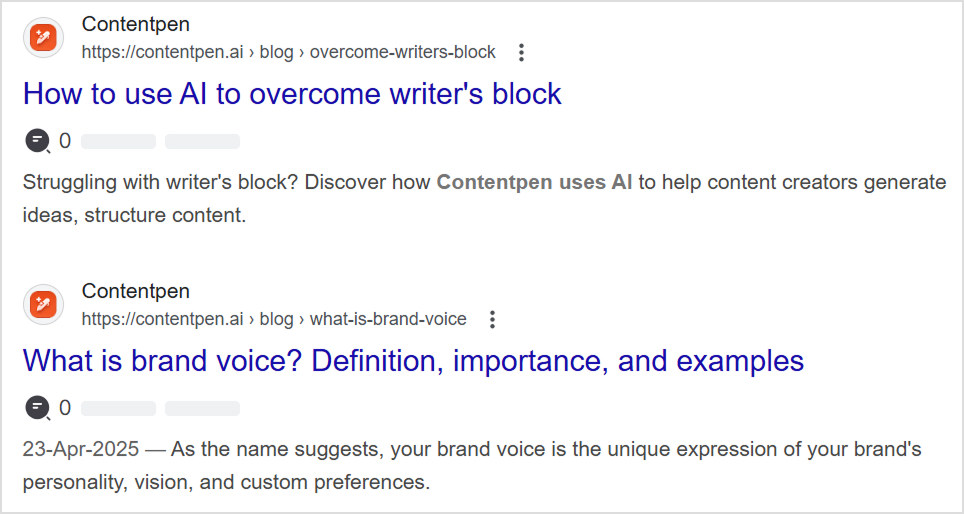
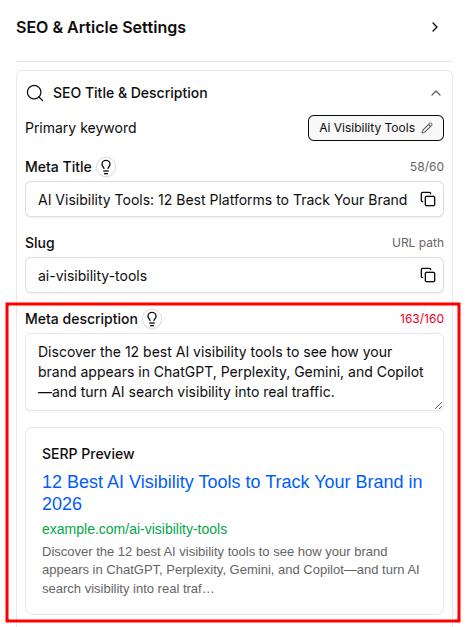
Best practice: Always optimize meta titles and descriptions to improve click-through rates.
Common mistake: Avoid using misleading or clickbait headlines that don’t reflect your content. They can drive visitors away quickly.
3. Improve formatting and readability
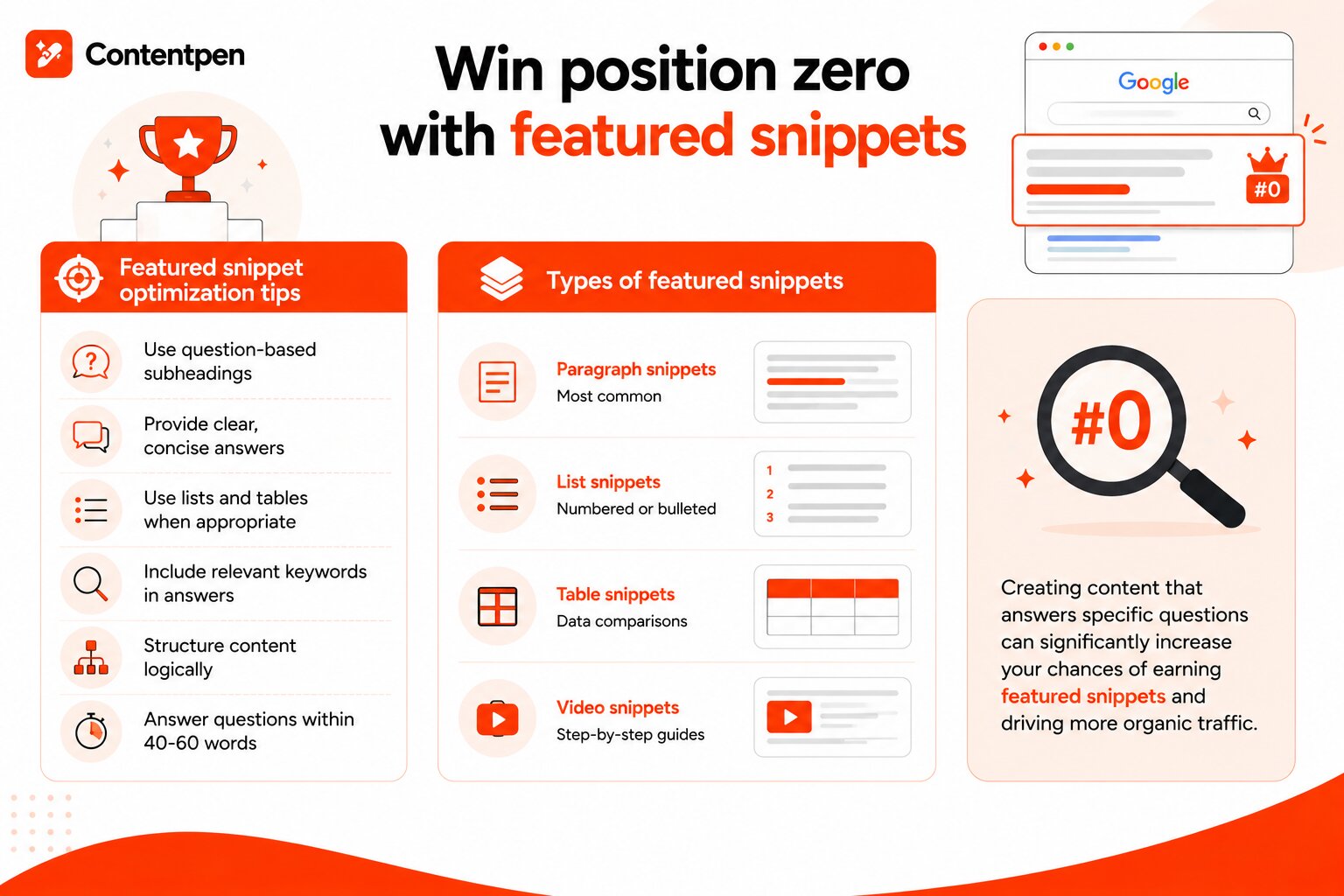
A key aspect of content optimization is ensuring your content is easy to consume. This includes short paragraphs, clear subheadings, and using bullet points where necessary.
These formatting choices help guide the reader’s eye and improve readability. It also helps with AEO as your content becomes easier to cite by AI answer engines.
Best practice: Always check the mobile version of your content after publishing.
Common mistake: Ignoring mobile formatting can damage user experience and hurt your rankings.
Also read: How to avoid AI detection in writing.
4. Add multimedia for engagement
Adding visuals like images, infographics, or videos increases engagement and adds value to your content.
Best practice: Use high-quality media to enhance understanding.
Common mistake: Don’t overlook page speed. Heavy media files can slow down your site if not optimized.
5. Audit your existing content
Begin by reviewing your current content. Identify what performs well, what needs improvement, and what should be removed. Old content often holds SEO potential. You just need to refresh and optimize it.
Best practice: Regularly update outdated content to keep it relevant using Contentpen’s SEO opportunities.
Common mistake: Never change URLs without proper redirects. This can cause SEO losses.
6. Optimize for keywords and topics
Ensure each piece of content targets a specific topic and includes relevant keywords naturally throughout the text. Don’t forget to update your image alt tags and use keywords in headings where appropriate.
Best practice: Cover as many niche-related subtopics as possible to improve topical authority.
Common mistake: Ignoring keyword placement in meta tags, headers, or image alt text reduces SEO effectiveness.
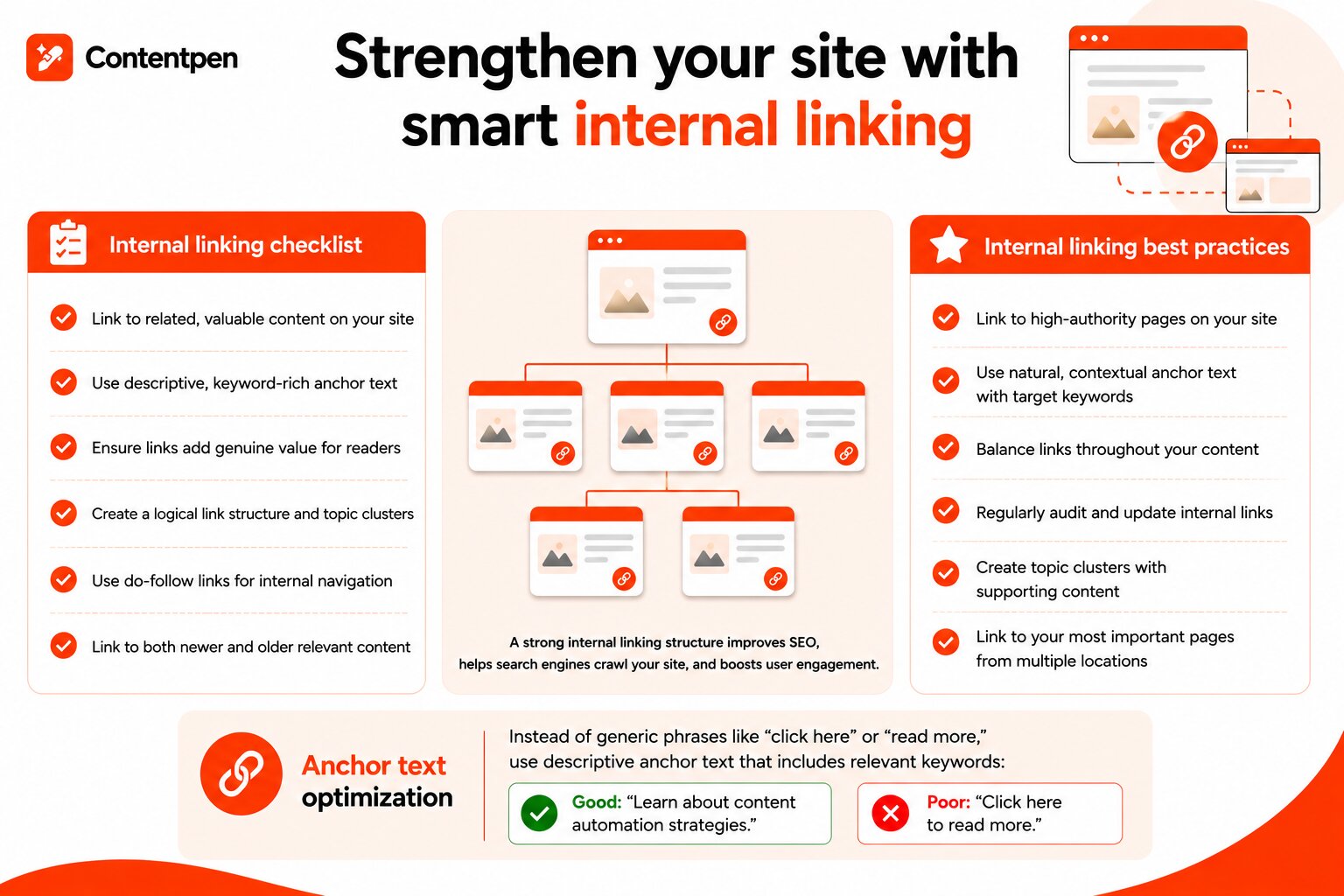
7. Refine structure and internal linking
A clean, logical content structure enhances user experience. Use subheadings and anchor links to guide the reader. Internal links help distribute page authority and keep visitors exploring your site.
Best practice: Use clear, descriptive anchor texts (ideally 3 to 4 words) for linking.
Common mistake: Avoid over-linking, especially to irrelevant sources, as it can dilute SEO value.
8. Track and measure performance
Once your content is optimized, monitor its performance using SEO analytics tools like Google Analytics or Usermaven. Measure user behavior, traffic, bounce rate, and conversions to evaluate success.
Best practice: Wait 2 to 3 months after optimization to assess results accurately.
Common mistake: Neglecting performance tracking can lead to missed opportunities for improvement.
Examples of optimized content that work
Take a quick look at some of the examples of optimized content that work:
Ahrefs blog keeps on pushing their conference
There is nothing wrong with pushing your product sales or event in your content, unless it starts irritating the readers. Ahrefs is doing a decent job here:
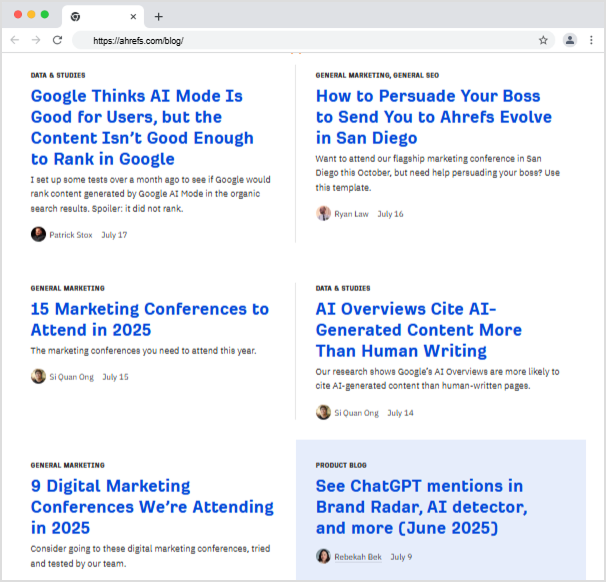
They have been covering digital marketing conference topics to mention their conference in every piece. That’s basic content marketing.
However, what they have smartly done is that they’re strategically optimizing their recent articles to get maximum attention for their conference. Not too shabby!
ContentStudio integrates videos into its blog
The digital marketing team at ContentStudio has done a pretty good job of optimizing the company’s blog for maximum exposure and search ranking.

They have introduced a video section called Video Vault on the official blog and inserted the most relevant and useful videos in it. So, this integration basically optimizes their blog content and increases user engagement.
Duolingo uses its branding across its featured images
Duolingo is a popular language learning platform that helps students learn new languages in a fun way. The language-learning app has an excellent content marketing strategy in place.
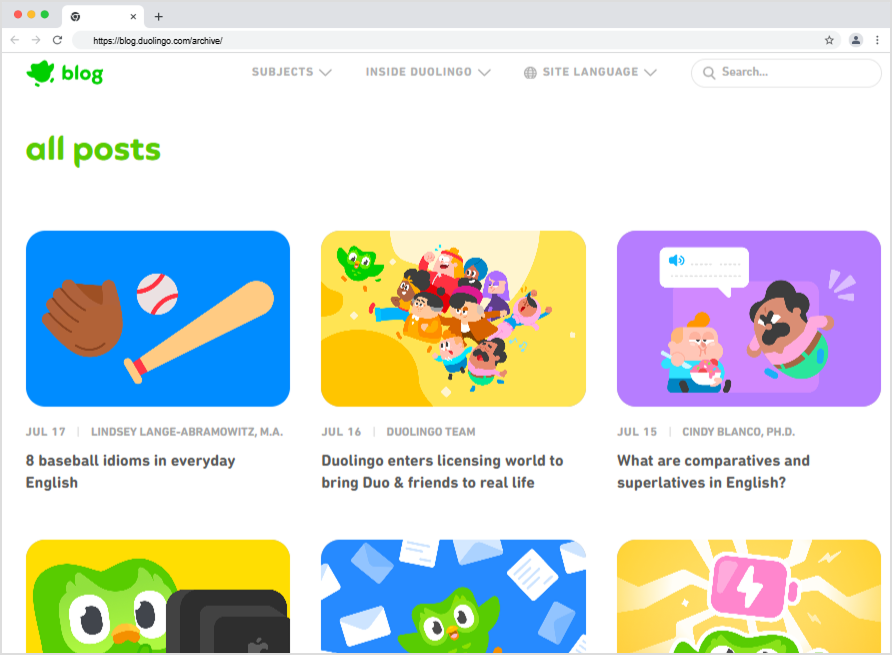
Besides publishing relevant articles on the blog, they utilize their branding, meaning logo, sign, and color scheme, throughout their blog featured images. It optimizes their blog from visual appearance and branding standpoints.
Strategies for digital and product content optimization
Digital and product content optimization needs a systematic approach. Apply the following strategies to establish an empowering digital and product content plan:
Digital content optimization for web and social media
Digital content optimization caters to both search engine bots and human audiences. For websites, focus on keyword integration, fast loading speeds, mobile-friendliness, internal linking, and clear structure.
For social media, use platform-specific content formats, engaging captions, strong visuals, and relevant hashtags. Monitor performance metrics like CTR, engagement rate, and shares to refine your content strategy.
Product content optimization for e-commerce
Product content optimization involves creating accurate, detailed, and persuasive content for e-commerce product pages. The purpose is to engage, attract, and convert the audience. Use high-quality images, keyword-rich titles, bullet points, and value-oriented descriptions.
Include product specs, FAQs, and user reviews to build trust. Moreover, structured data also helps search engines display your product better in search results, increasing visibility and conversions.
Also read: 23 best product blog examples to inspire your own.
Summing it up
A long-term content optimization strategy comprises several elements. Start by auditing your existing content, setting performance goals, and using analytics to track results. Then, create content guidelines, templates, and workflows to maintain consistency.
Automate routine tasks such as keyword tracking or content rescheduling with AI-integrated tools. Pay attention to regularly updating top-performing content to keep it fresh and relevant. This will allow you to build a strong, sustainable content optimization strategy.
Frequently asked questions
Optimized content is a bit of a polished version of an article or website copy. It can be optimized for keywords, readability, SEO/GEO score, or internal links.
To optimize content for SEO, one must go through all the basic and technical aspects of SEO to improve the overall content performance. It includes improving structure, readability, meta tags, headings, paragraphing, images, internal links, external links, page speed, etc.
The keys to content optimization include fixing the structure, improving readability, increasing keyword score, updating the meta tags, and internally linking relevant pages.
Content optimization is the overall process of improving any type of content, such as written, visual, or other. However, digital content optimization specifically focuses on optimizing content for digital platforms like websites, social media, and apps.
The reason product content optimization is important for the business is that it brings clarity to the brand’s message. Search engines understand the business better, resulting in an influx of organic traffic to the site.
Contentpen is an excellent AI-powered writing tool for generating fast, effective articles for brands, marketers, influencers, and bloggers. The Planner section helps in crafting AI writing, and the Keywords feature keeps on tracking the given keywords, eliminating the need for a third-party keyword research tool.